Wien 1900
Aufbruch in die Moderne
Permanent presentation
Leopold Museum
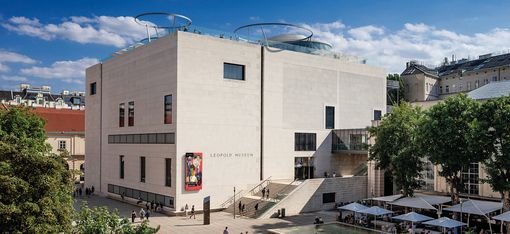
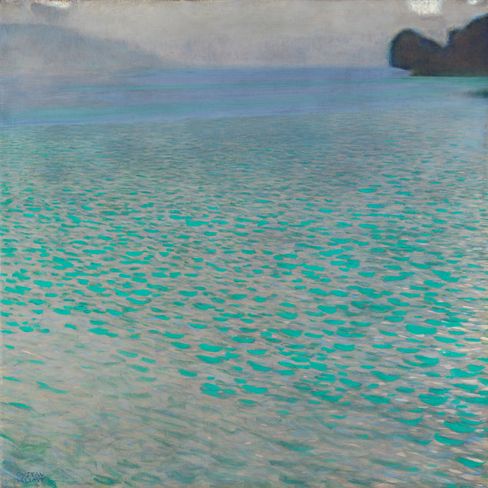
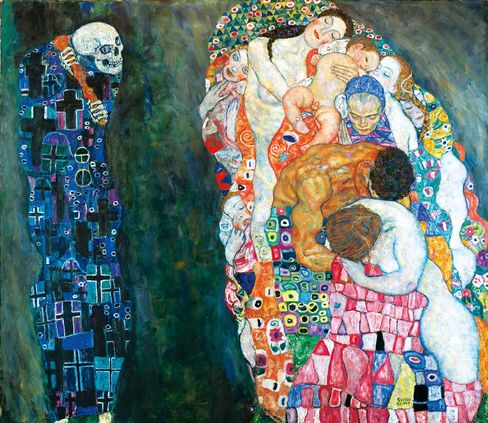
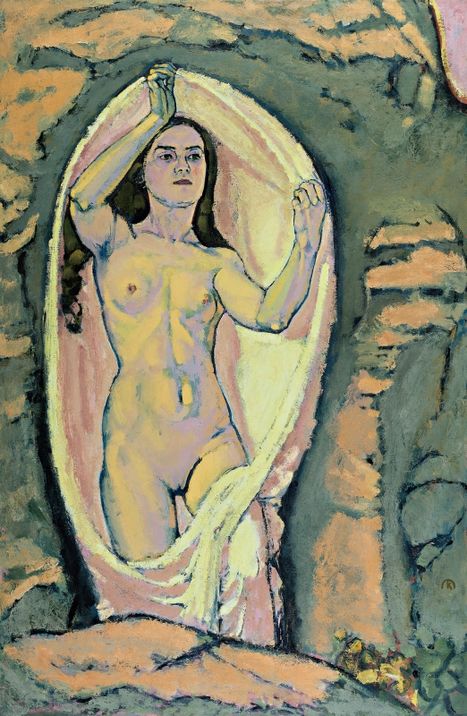
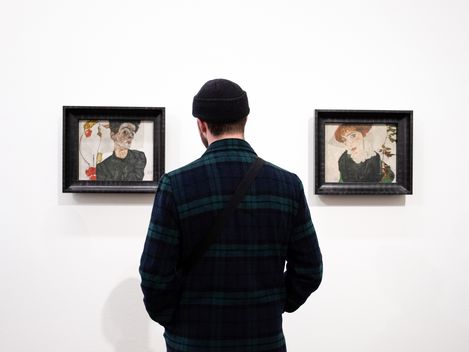
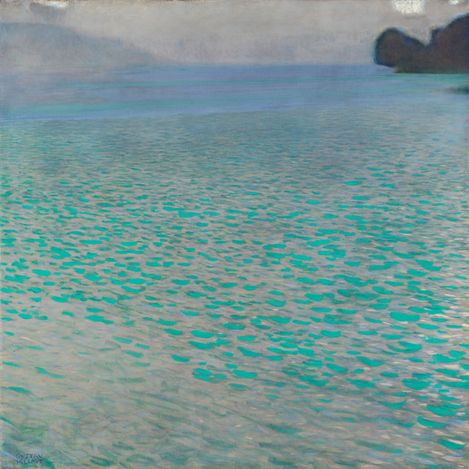
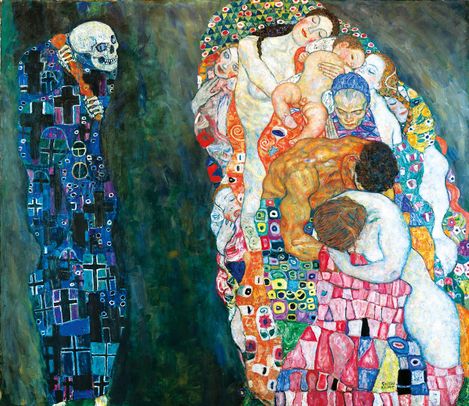
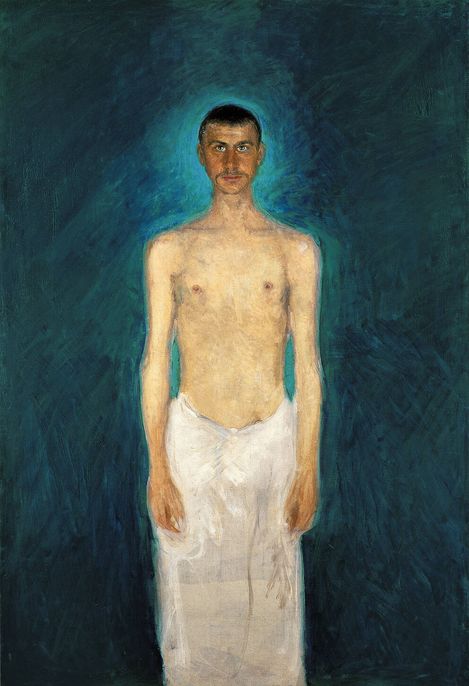
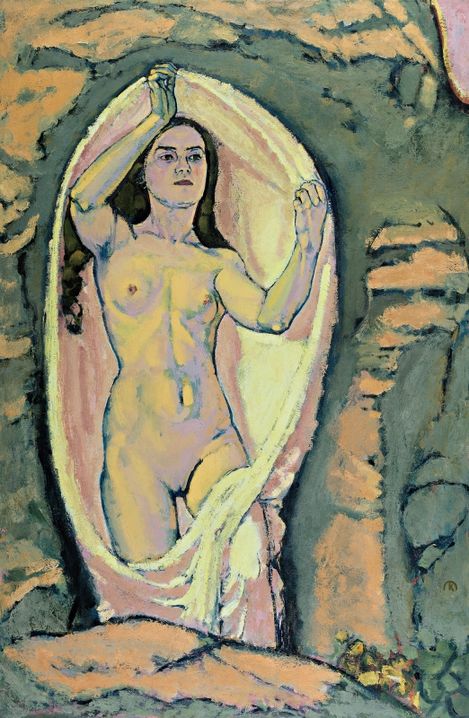
The Leopold Museum is a unique place where Vienna 1900 comes to life, through the world’s largest Egon Schiele Collection, masterpieces by Gustav Klimt and key works of Austrian Modernism.
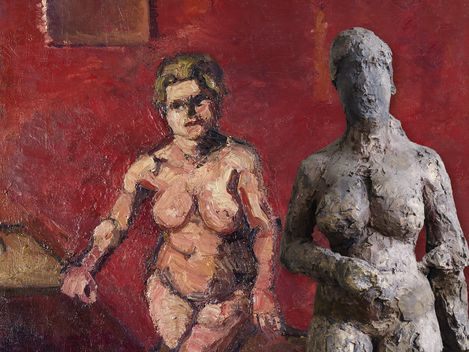
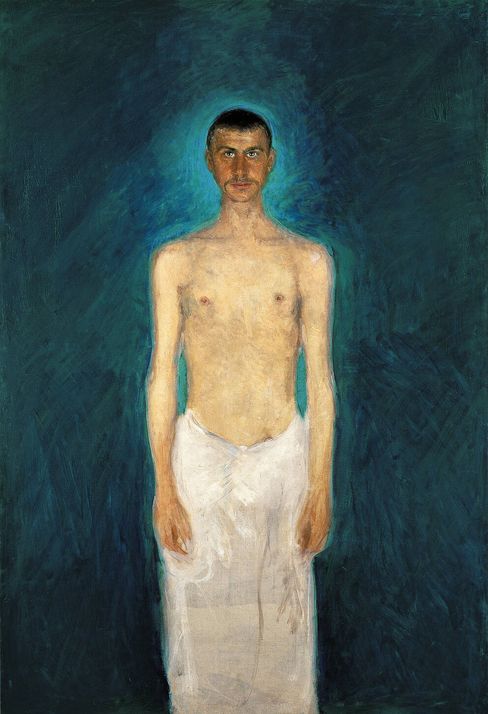
With more than 8,800 objects, the Leopold Museum ranks among the most important collections of Austrian art from the late 19th century to Modernism. It allows visitors to trace art historical developments from Biedermeier through Atmospheric Impressionism to Expressionism and New Objectivity, embedded within the intellectual world of "VIENNA 1900". The foundation of the museum lies in the visionary collecting activities of Rudolf Leopold and Elisabeth Leopold, who, from the 1950s onward, acquired works by then still controversial artists such as Gustav Klimt and Egon Schiele with remarkable foresight and expertise. The result is a collection of global significance, presented in a purpose-built museum at the MuseumsQuartier since 2001. To this day, it continues to evolve through a dynamic program of special exhibitions, scientific research, and strategic acquisitions.
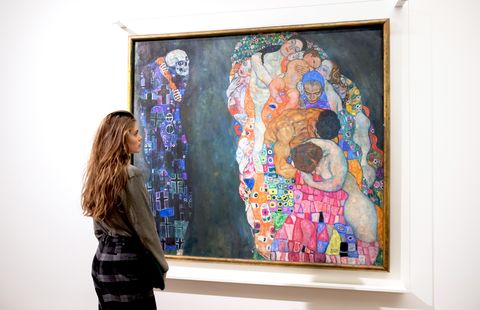
The permanent presentation of the Leopold Museum is dedicated to the cultural, social, and artistic phenomenon of "VIENNA 1900". It offers a nuanced perspective on an era shaped by profound contrasts: between tradition and innovation, social inequality and intellectual flourishing, conservative structures and the emergence of modernity.
These tensions created fertile ground for an extraordinary concentration of artistic and intellectual achievement. Innovations in painting and graphic art were closely intertwined with developments in music, literature, and architecture, as well as with new ideas in science, psychology, and philosophy. Vienna thus became a key driving force of Modernism, whose influence continues to resonate today.
Spanning two levels and featuring around 1,000 exhibits, the permanent display conveys this complexity through masterpieces from the museum’s collection alongside selected long-term loans from Austrian and international institutions. It enables visitors to explore and rediscover the era of Vienna 1900 in all its historical depth and cultural significance.
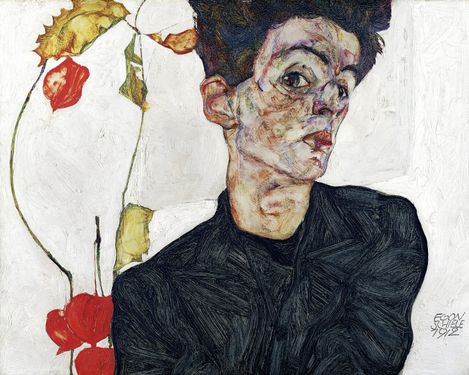
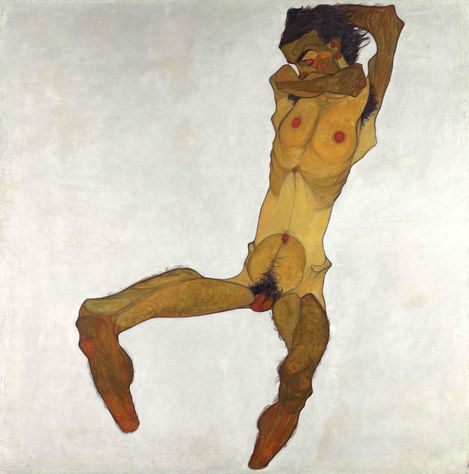
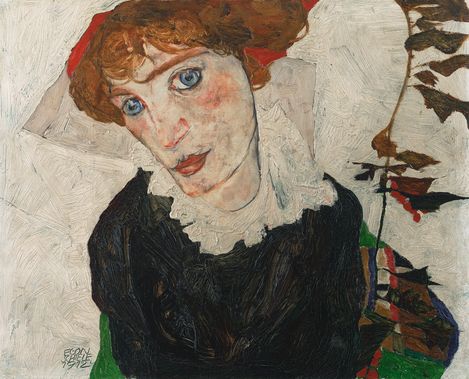
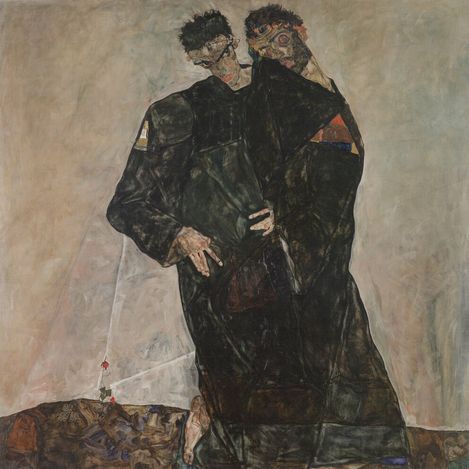
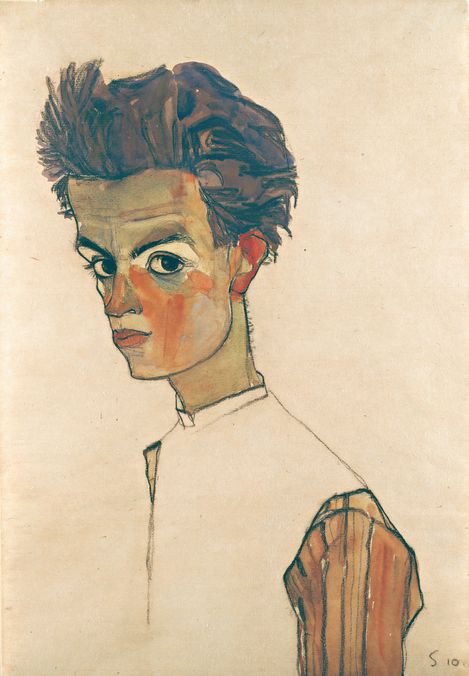
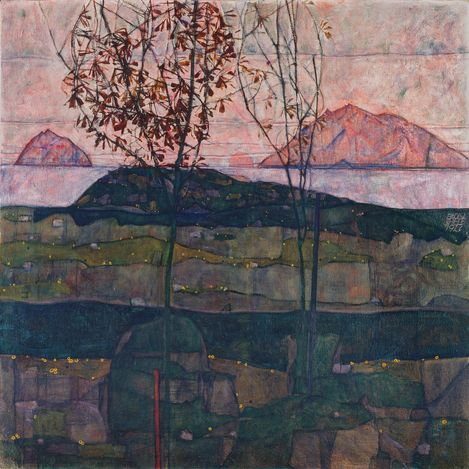
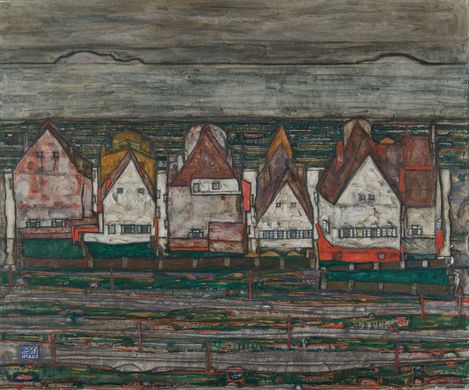
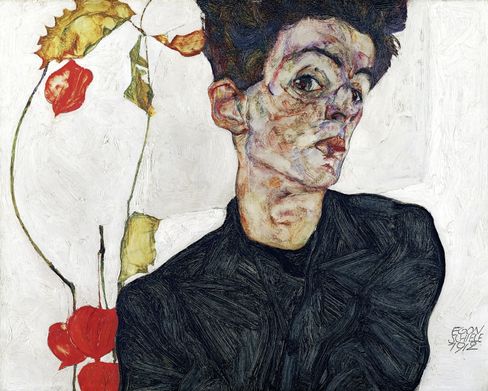
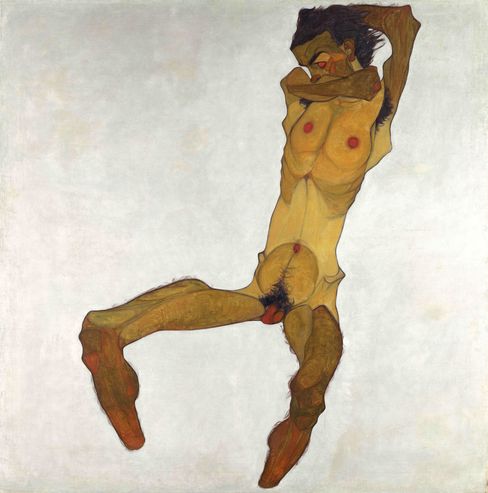
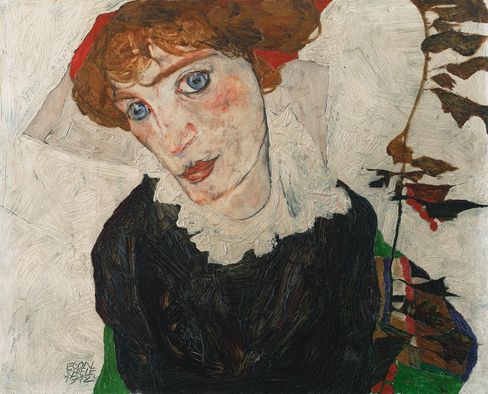
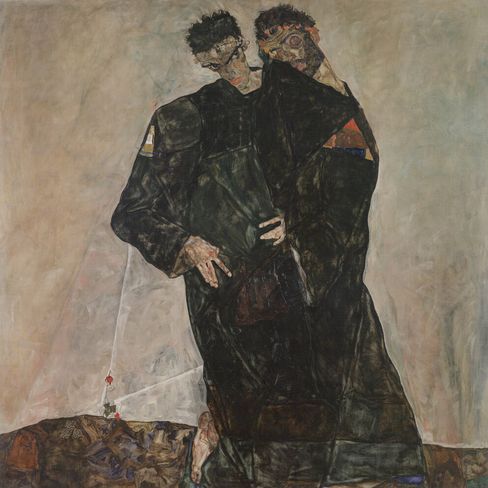
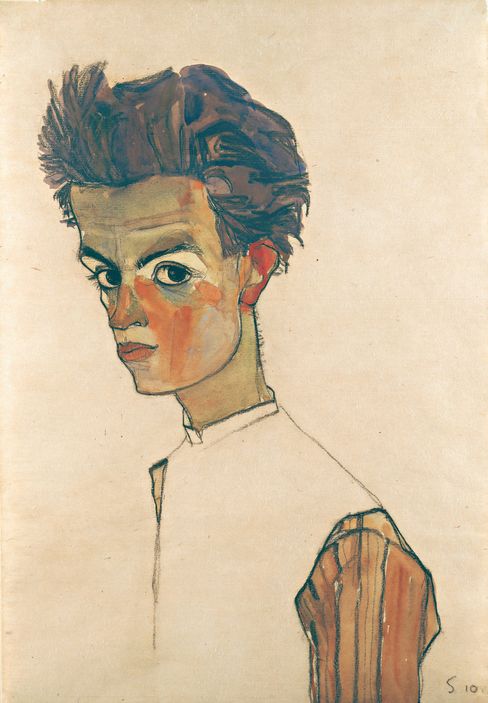
Egon Schiele (1890-1918), whose life was cut short by the Spanish flu, created an œuvre that established him as one of the defining figures of Viennese Modernism. His early talent led him to the Academy of Fine Arts Vienna in 1906, though its rigid teaching methods soon conflicted with his artistic vision. With the founding of the Neukunstgruppe in 1909, and through both celebrated and controversial appearances, Schiele quickly emerged as a leading voice of a new generation of artists.
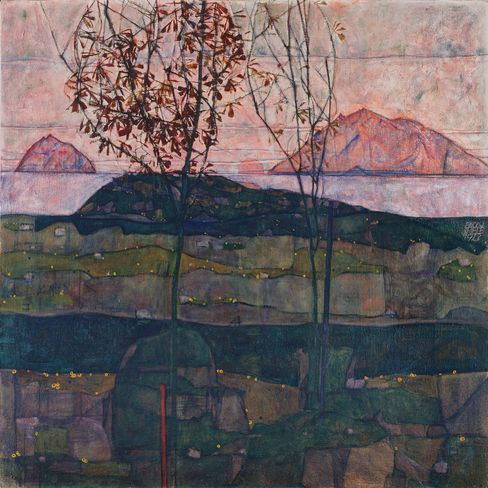
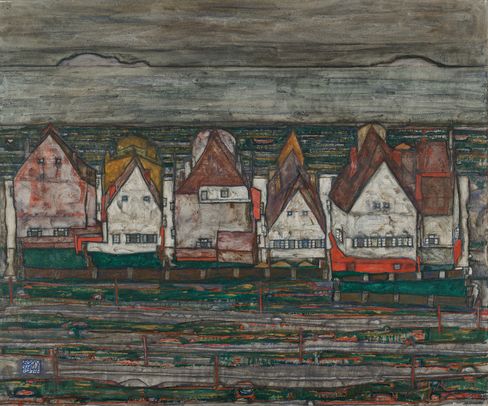
At the core of his work lies an intense exploration of the self, expressed in numerous self-portraits as well as in landscapes and cityscapes. Through expressive gesture and physiognomy, Schiele fused physicality and sexuality with existential inquiry, creating powerful visual responses to the widely discussed crisis of the individual in Vienna around 1900.
With nearly 300 works, including 48 paintings, as well as watercolours, drawings, and graphic works, the Leopold Museum holds the most comprehensive and significant collection of works by Egon Schiele worldwide.