1718
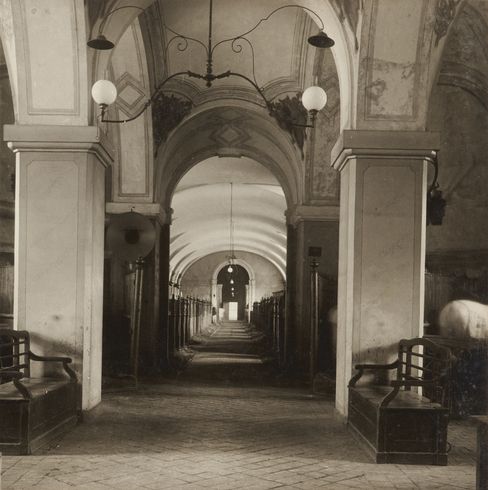
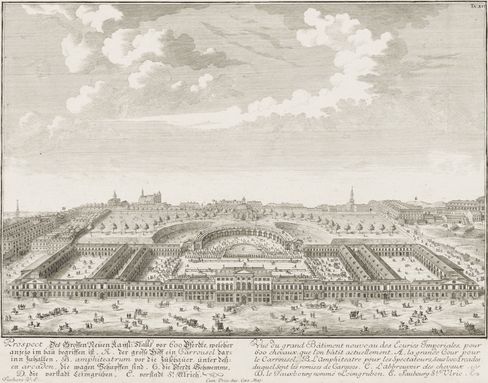
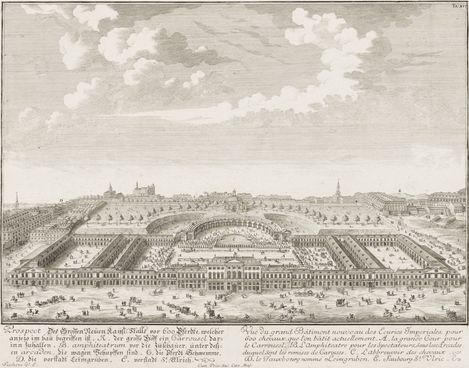
Johann Bernhard Fischer von Erlach's plan for the construction of royal stables to house 600 horses is submitted to the Royal War Council for approval.
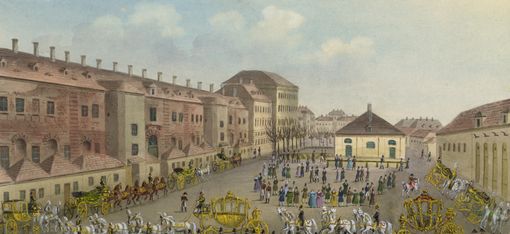
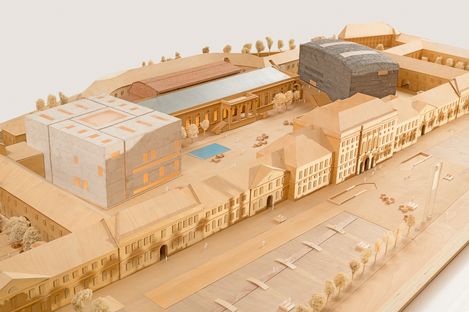
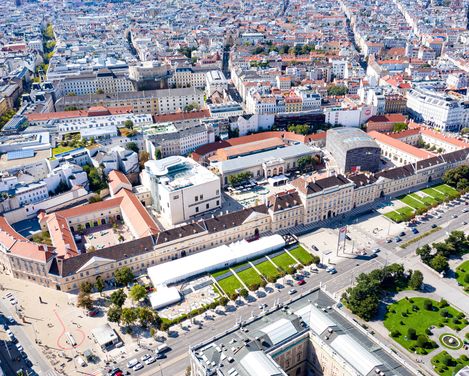
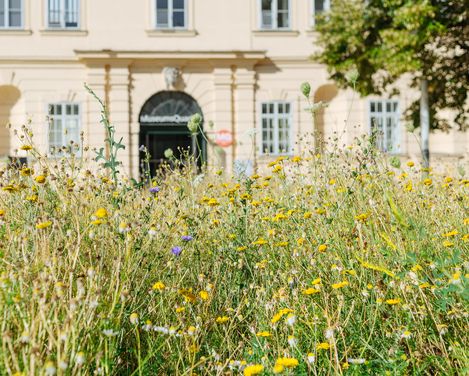
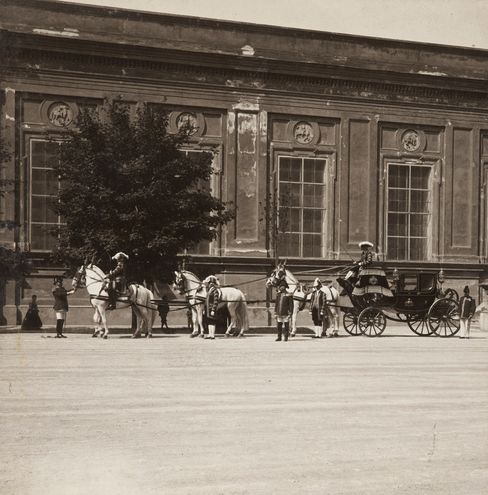
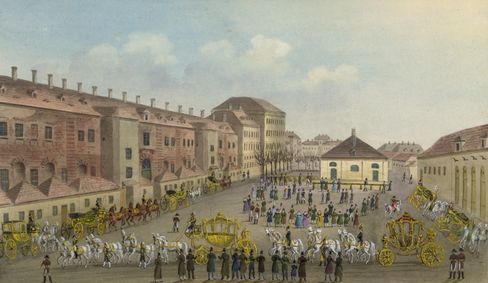
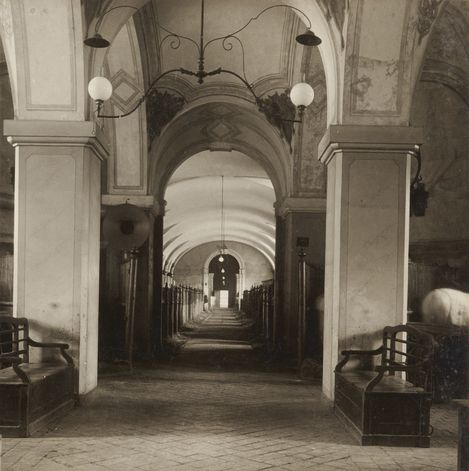
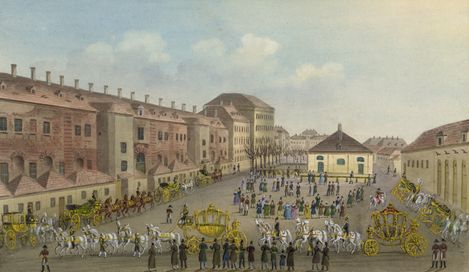
The MQ opened in June 2001, but this most successful arts and culture complex once housed up to 600 horses and 200 carriages.
Phase 1
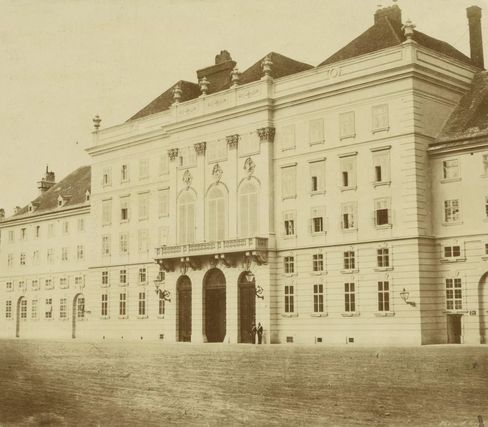
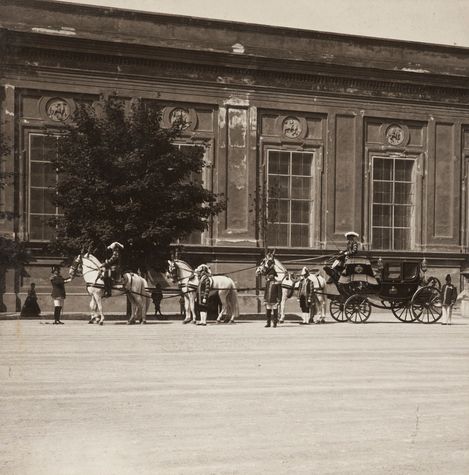
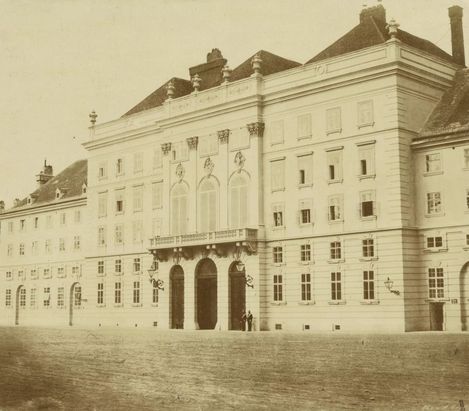
In 1713, Emperor Charles VI commissioned the famous Austrian architect Johann Fischer von Erlach to build an imperial stables complex on the edge of the glacis, opposite the outer castle gate. Construction began in the spring of 1719, and by 1725 the façade—which remains one of the longest Baroque façades in Central Europe—was completed. The stables were located on the ground floor, while the state rooms on the first floor housed the residence of the Chief Master of the Horse.
Phase 2 of Construction
Between 1850 and 1854, Emperor Franz Joseph I commissioned Leopold Mayer to expand the imperial stables in order to create a winter riding school in the Neoclassical style, as well as a summer riding arena located behind it. At that time, the complex was comparable in size to the stables at Versailles.
Phase 3 of Construction
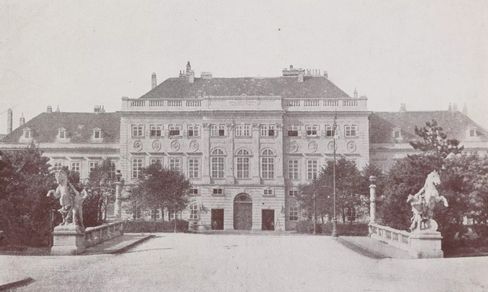
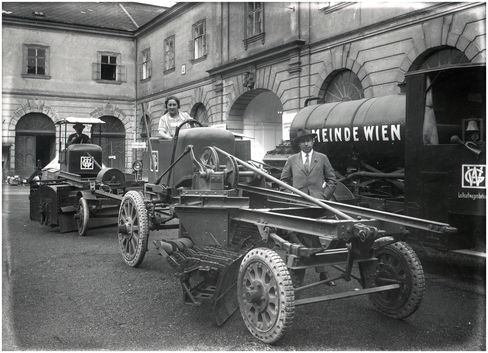
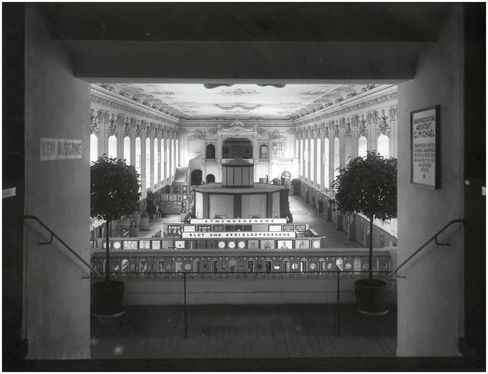
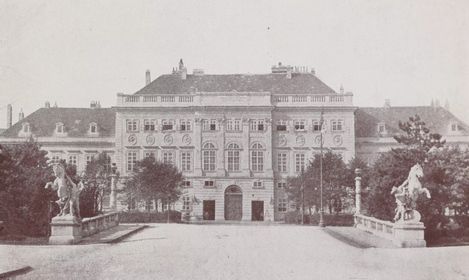
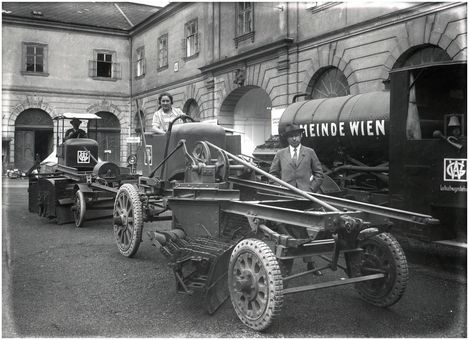
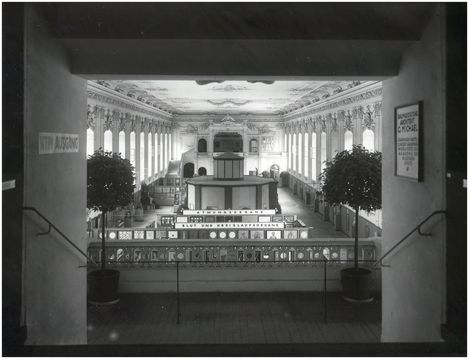
Following the collapse of the monarchy and the dissolution of the court administration, the Vienna Trade Fair became the new occupant of the Imperial Stables in 1921 and converted the building into the “Trade Fair Palace” for its own use. In 1937, a hall was constructed behind the Winter Riding Hall to replace the former Summer Riding School.
From 1938 to 1945, Nazi propaganda exhibitions were held at the Messepalast. In 1945, the Messepalast was severely damaged by bombs. As part of the reconstruction, two new halls were built in the main courtyard.
In 1946, under U.S. supervision, the Vienna Trade Fair resumed its exhibition activities at the Messepalast. In the early 1980s, the Republic of Austria and the City of Vienna commissioned a plan for the use of the site as a cultural forum.
Phase 4
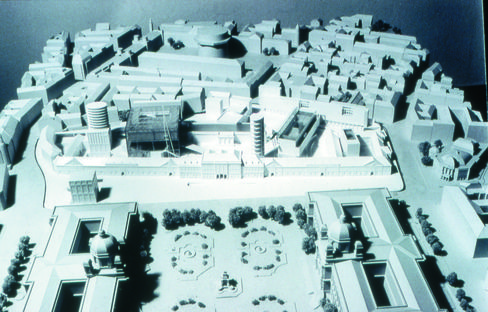
The first stage of the competition takes place between 1986 and 1987. The jury, chaired by James Stirling, recommends seven projects for the second stage (Werner Krakora, Hans Hollein, Ernst Hiesmayr/Rudolf Prohazka, Stefan Hübner, Georg Friedler, Laurids Ortner, Oswald Matthias Ungers).
In 1989, the new Minister of Science, Erhard Busek, took up the issue and set a goal of completing the revitalization by 1995. He commissioned art historian Dieter Bogner and architecture critic Dietmar Steiner to develop a new concept to serve as the basis for the second phase of the competition for the project, now known as the “Museumsquartier.”
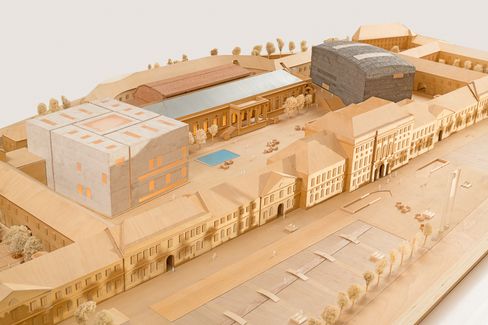
The second stage of the competition takes place from 1989 to 1990. The jury selects the project by Laurids and Manfred Ortner. The winning project is exhibited at the Messepalast.
A citizens' initiative is forming to oppose the project. Dieter Bogner is appointed project coordinator and, alongside Günther Bischof, managing director of the construction and operating company. The company is 75% owned by the federal government and 25% by the City of Vienna. The Vienna Trade Fair receives a lump-sum payment of 370 million schillings in exchange for waiving its lease rights.
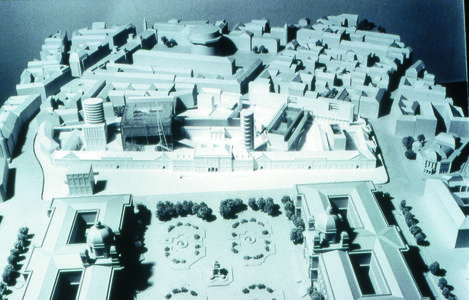
Criticism from the citizens' initiative continued to grow through 1992, and the Kronen-Zeitung launched a campaign against the project. The “Reading Tower” became a bone of contention.
In 1992, Ortner & Ortner presented a scaled-down version. A nonpartisan citizens’ committee threw its support behind the project. To provide adequate space for the Leopold Collection, a redesign was necessary, which led to a reduction in the size of the remaining buildings.
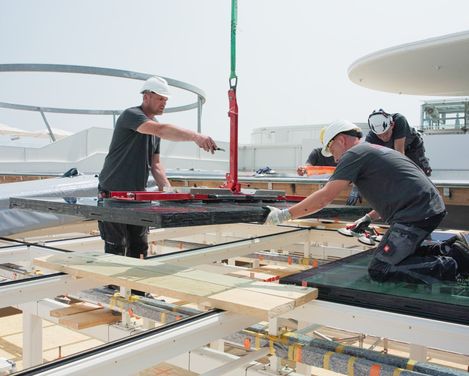
In 2001, the new buildings were officially handed over to their future users by Minister of Science Elisabeth Gehrer and Mayor Michael Häupl. The grand opening took place on June 29, 2001.