SPINSTERHOOD
Eva Seiler
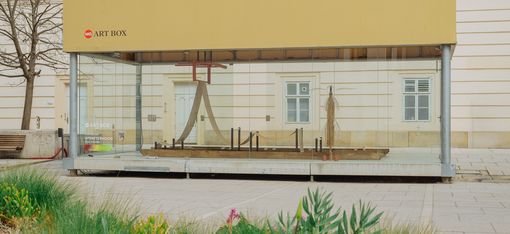
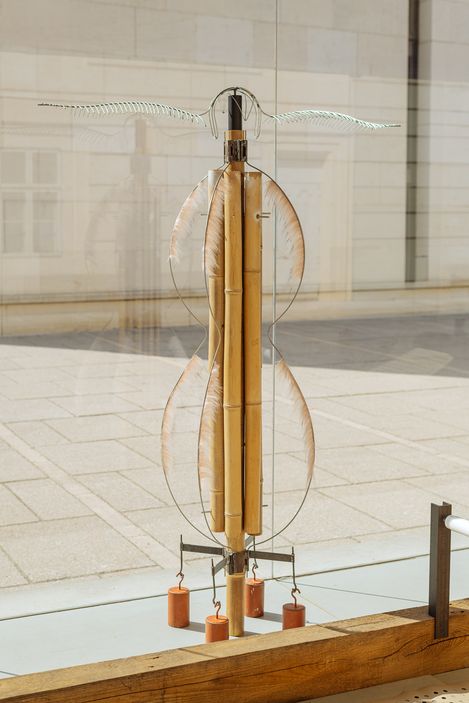
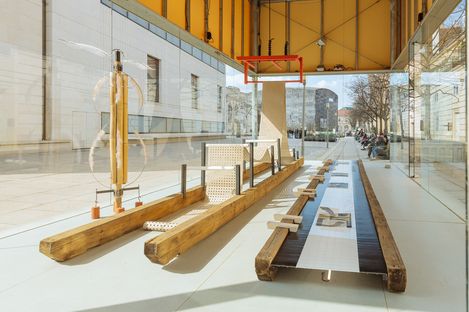
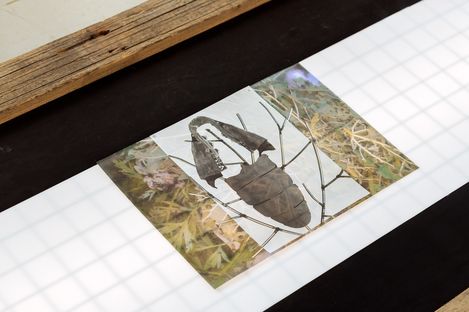
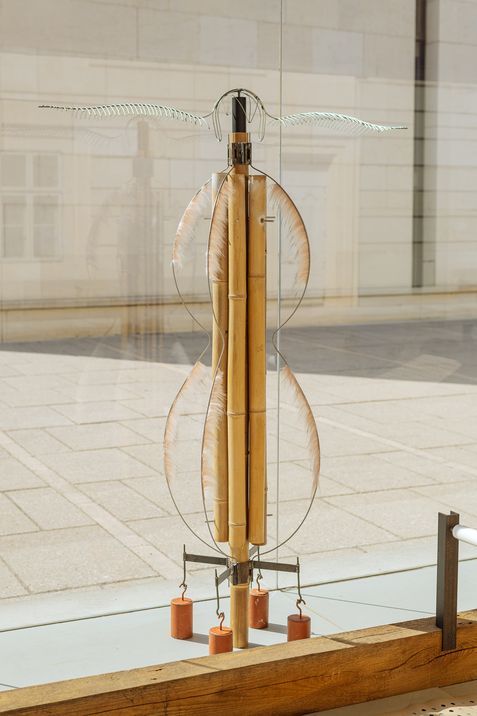
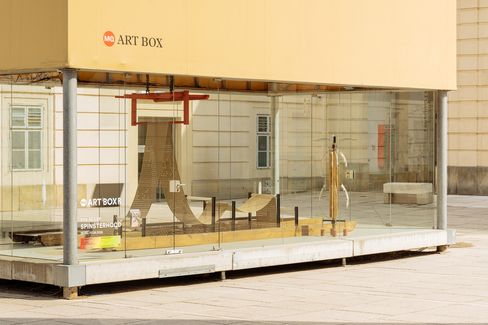
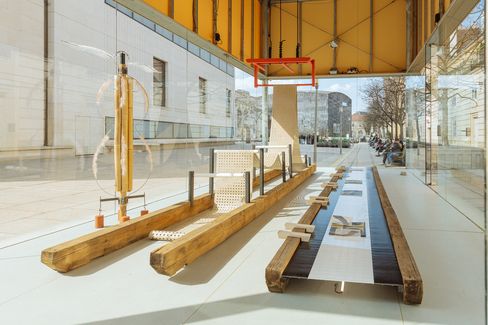
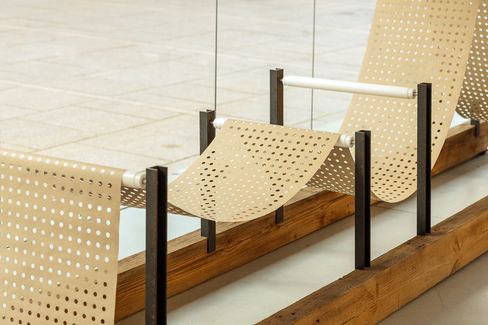
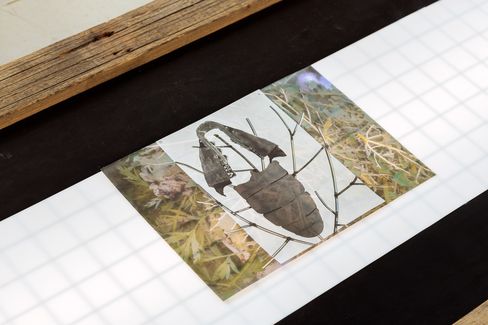
In her installation, SPINSTERHOOD, Eva Seiler explores the interdependency, the network of mutual dependencies, of mulberry trees, silkworms, spinners and machines. Both human and non-human bodies bring their respective abilities to this structure, but are themselves also shaped by the integral industrial production processes. Seiler also concerns herself in this work with the pressure to produce, which was inherent in increasing moves towards industrialisation. She draws a parallel with prevailing conditions in today’s society, for which productivity and optimisation remain key issues. These matters were also of evident importance throughout the history of silkworm production. Selective breeding deliberately altered the body shape of the silkworm, whilst machines and long working hours concurrently shaped the human body.
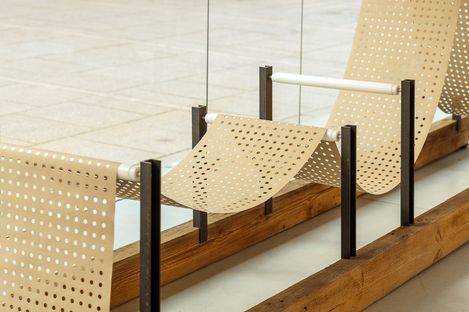
SPINSTERHOOD references architectural elements and spatial settings reminiscent of attics, looms or laboratories. They are suggestive of sites of production, where biological, human and mechanical bodies interacted. Here, the silkworm becomes a symbol of working conditions, control and transformation. Contrary to the widespread assumption that silkworm breeding was exclusive to Asia, SPINSTERHOOD also makes reference to a more local context. Vienna was in fact a centre of silk production for centuries, with mulberry trees dominating the cityscape. Today’s seventh Viennese district, where the Museums Quartier is located, was seen as the epicentre of 18th-century Viennese silk production. Street names, such as Seidengasse (Silk Lane), hark back to this almost forgotten past.
The title, SPINSTERHOOD, alludes to the fact that silk production was often carried out by unmarried women (spinsters). However, also woven into the title is the word ‘sisterhood’, a term closely associated with solidarity and selfempowerment. Just as the silkworm with its transformative shape deviates from human bodily norms, spinsters, whether voluntarily or involuntarily, defied social conventions related to marriage and reproduction. In SPINSTERHOOD, Seiler creates a narrative, in which transformation may be understood as a practice of resistance.
In Cooperation with Klima Biennale Wien
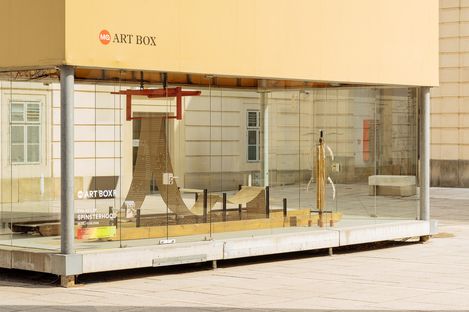
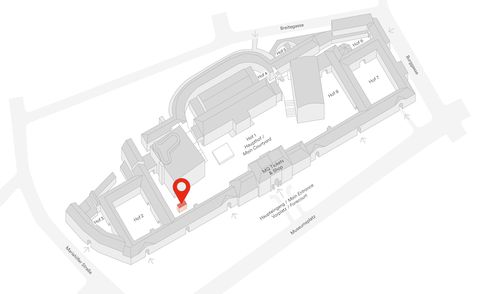
MQ Art Box