New. Objective.
Photography of the 1920's and 30's
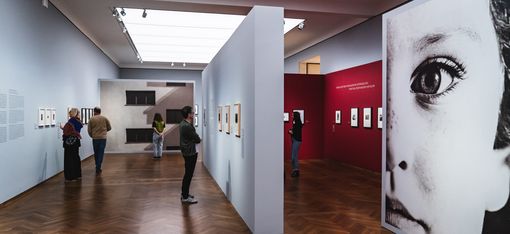
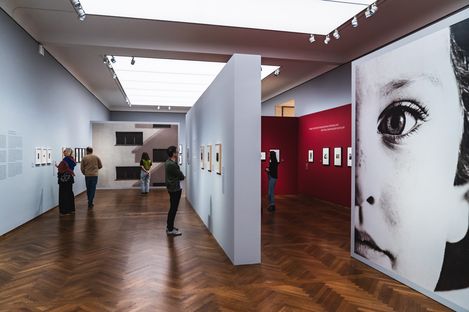
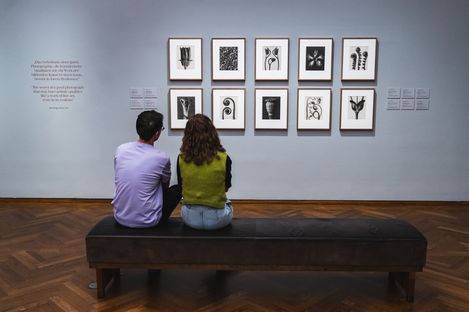
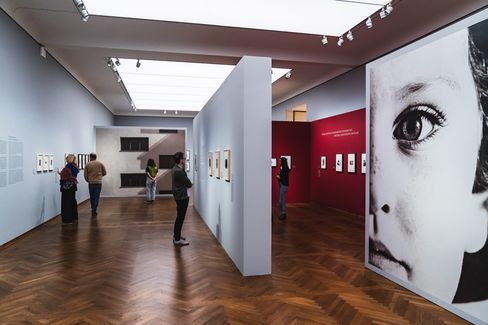
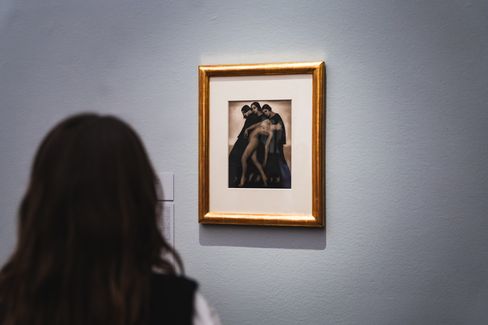
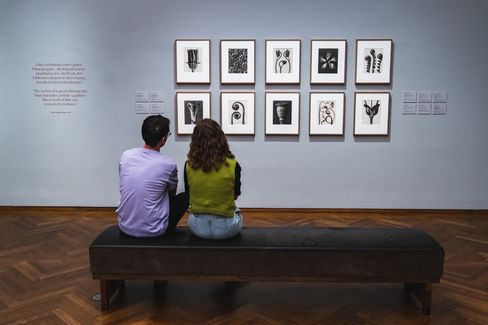
With reference to various groups of motifs and subjects, the exhibition "New. Objective. Photography of the 1920s and 30s" turns a spotlight on the phenomenon that is the Neue Sachlichkeit style in photography, bringing together works from prestigious European museums, institutions, and collections, including pieces from private collections.
“The secret of a good photograph […] rests in its realism. We in photography have the reliable tool to convey the impressions that one receives when standing in front of nature, a plant, an animal, in front of the works of the builder and the sculptor, in front of the creations of engineers and technicians. The possibilities that permit us to reproduce the magic of the material are still undervalued,” wrote Albert Renger-Patzsch, one of the leading exponents of Neue Sachlichkeit [New Objectivity] photography, in 1927. In the 1920s the medium of photography underwent a radical transformation. This was triggered on the one hand by the advent of new technologies – such as the invention of the 35 mm camera – and on the other by the realization that photography was an ideal medium with which to capture the changes in society during the interwar period.
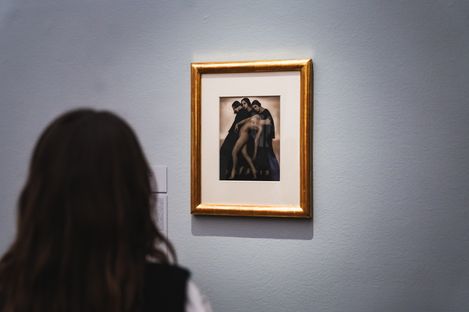
Soberly, clearly, objectively – this was the new way in which photographers tried to see the world after the end of a war that had caused so many casualties and had immense ramifications. The “art photography” with its romanticizing aestheticism that had been prevalent around1900, especially among ambitious amateurs, had had its day. What was now in demand was a direct and straightforward visual style that was true to the medium, combined with a fervent belief in technological modernity. This Neue Sachlichkeit photography was practiced in Germany by the likes of Ellen Auerbach, Aenne Biermann, Alfred Ehrhardt, Hans Finsler, August Sander, and Albert Renger-Patzsch. The movement reached its high point in 1929 with Film und Foto, an exhibition organized by the German Werkbund. Shown first in Stuttgart and soon afterward in Vienna, the show’s appeal for an aesthetic idiom that was in keeping with the times left an impression on the work of such Austrians as Trude Fleischmann, Grete Kolliner, and Rudolf Koppitz. Modernism came to an abrupt end when the National Socialists (Nazis) seized power in Germany (1933) and Austria (1938) and began their unprecedented persecution, forced displacement, and murder of Jewish artists and citizens. Yet despite declaring Neue Sachlichkeit “entartet” [“degenerate”], the Nazi regime tolerated – even appropriated – certain formal elements for works of applied art, exploiting them for propaganda purposes.
Exhibition Programe
Public Guided Tours
- Saturdays, 14:00 (in German)
Guided Tour with Curators
- 26.11. at 16:30 with Curator Aline Marion Steinwender, Leopold Museum
Leopold Museum