Vladana Perlić
Key Facts
Vladana Perlić (1995, Banja Luka, Bosnia and Herzegovina) is a French Language and Literature professor, a poet and a writer.
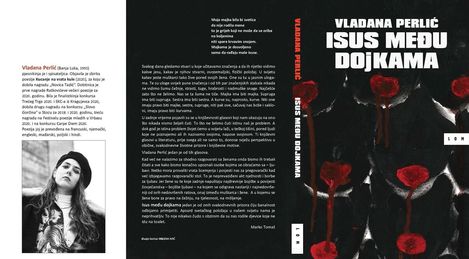
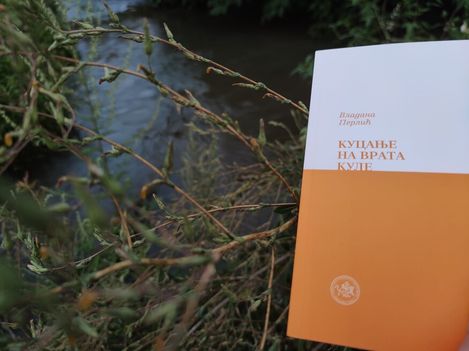
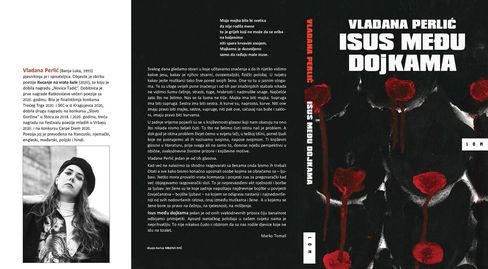
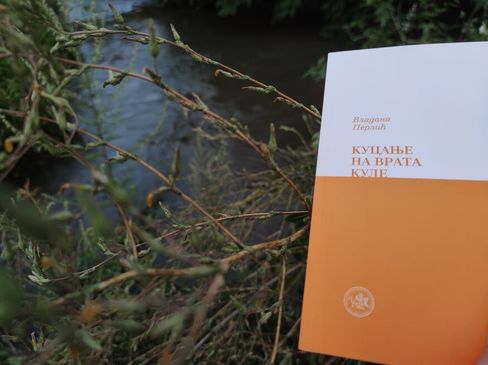
She published two books of poetry: “Kucanje na vrata kule“ (Zaprokul, 2020) and “Isus među dojkama“ (LOM, 2020). She has won numerous awards, including “Novica Tadić“ (2020), “Aladin Lukač“ (2021), “Anka Topić“ (2021), “Ratkovićeve večeri poezije“ (2020) and “Mak Dizdar“ (2018 and 2020). Her poetry was translated into French, German, English, Hungarian, Polish, Italian and Hindi.
Project info
Currently, I am working on a book of poetry about struggles of a generation raised by parents suffering from PTSD while growing up in post-war patriarchal society. The book incorporates various political themes, such as: working-class feminism, rape culture, queer self-acceptance in a conservative environment, child abuse, dealing with the past, repressed sexuality and emotions, psychological traumas, graduate unemployment, brain drain, macho culture, mental illness and suicide. I find it extremely important to address sensitive issues from a compassionate angle and through the stories of individuals. That is especially true in the Balkans, where constructive conversations about aforementioned issues are constantly rebuffed, because they are considered to be shameful. Thus, people tend to pretend these problems don’t exist, which only results in them suffering in silence, never changing their reality.
My book tries to showcase different human experiences, evoke reader’s compassion and, consequently, humanize in reader’s hearts those who are in our society frequently labeled as “the other“. The goal is to spark a debate, so that we could change our society for the better.