Tatjana Bijelić


Key Facts
Tatjana Bijelić is a writer, editor, translator, and full professor at the English Department, University of Banja Luka, Bosnia and Herzegovina, where she teaches Anglophone literatures. Her research focuses on modern and contemporary literature, migrant and transnational writing, post-Yugoslav literature, women’s writing, creative writing, and ecocriticism.
She earned an MA in Modern and Contemporary Poetry and Culture in English at the Oxford Brookes University as a Chevening Scholar (2001) and completed her PhD in Anglo-American Literature at the University of Banja Luka in 2007. She has held prestigious international fellowships, including a Fulbright Visiting Scholarship at Columbia University (2014/15) and a Weiser Fellowship at the University of Michigan (2019), researching diasporic narratives and contemporary poetry. She has authored and edited numerous academic articles and publications.
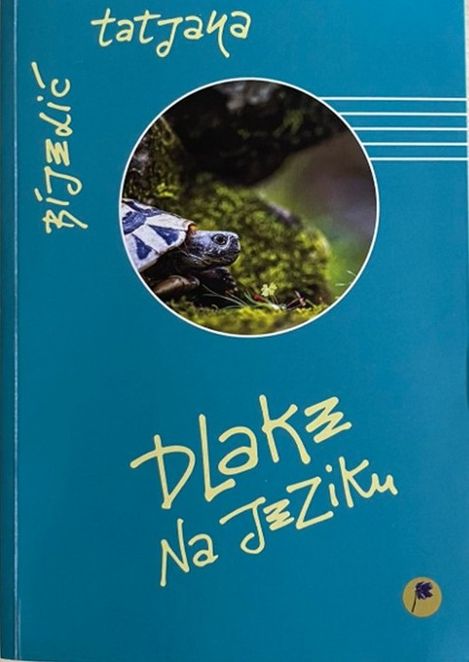
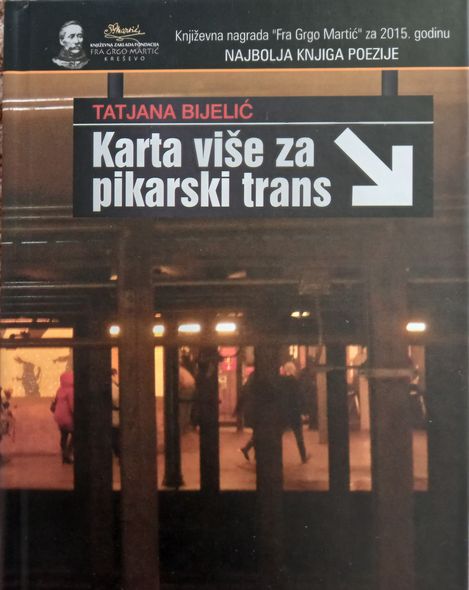
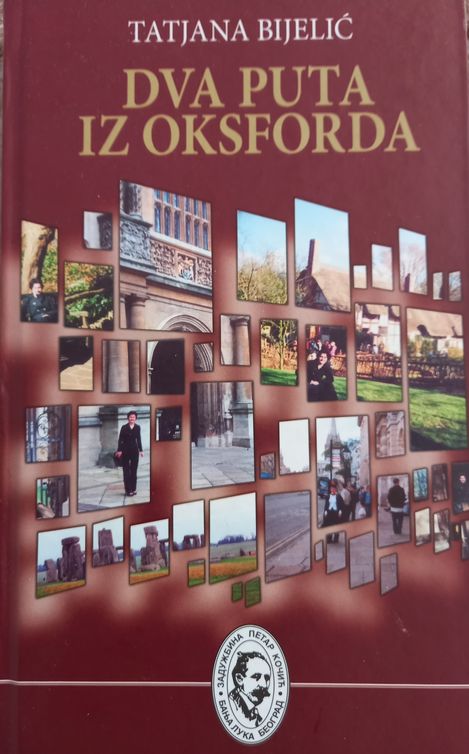
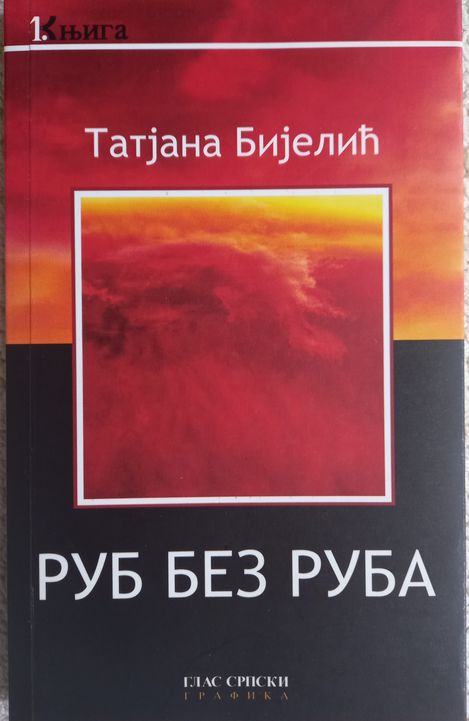
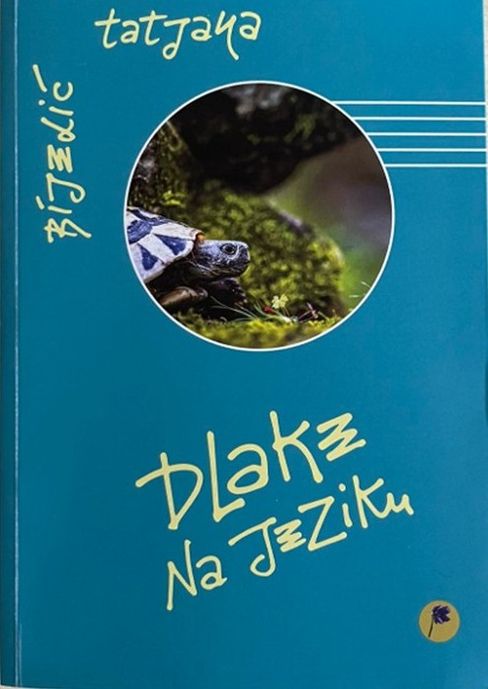
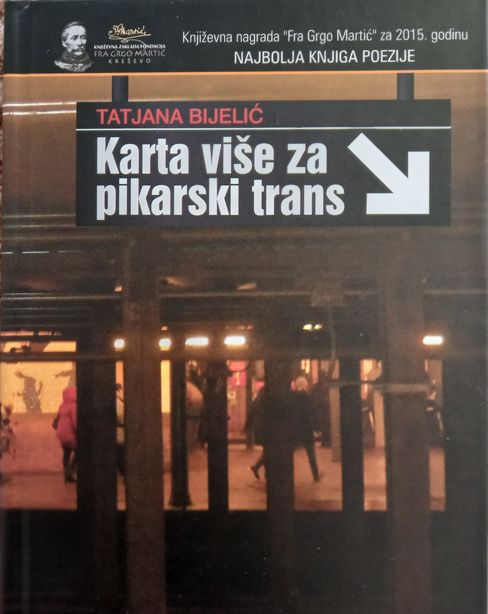
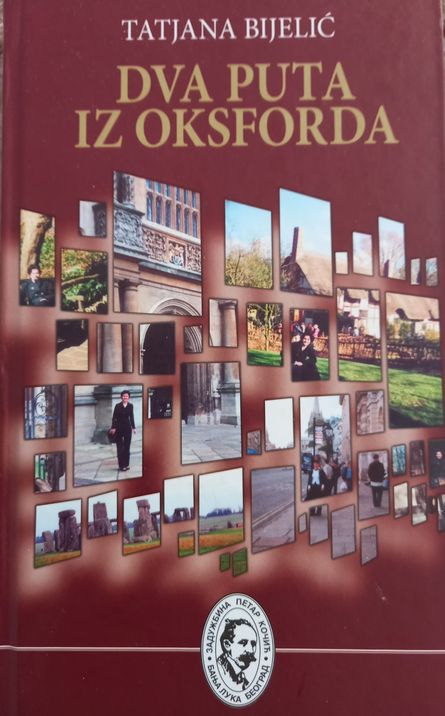
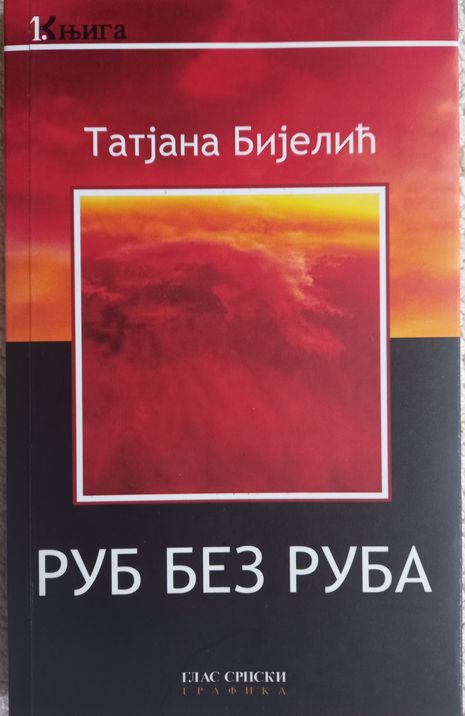
Bijelić’s literary works include three award-winning poetry books: Rub bez ruba (2006), Dva puta iz Oksforda (2009), and Karta više za pikarski trans (2015), which won the Fra Grgo Martić Award and the Risto Ratković Award for the best poetry collection in 2015 and 2016, respectively. Her poems have been translated into English, German, Hungarian, Slovenian, Macedonian, and Danish, appearing in various journals and anthologies. Her novel Dlake na jeziku (2024) and the verse novel Rihtanje rebra (2025) have been shortlisted for major regional awards.
In 2026, Bijelić is participating in the Artists-in-Residence Programme at MuseumsQuartier Vienna.
Project info
During her residency at MQ Vienna, Tatjana Bijelić will work on a novel that combines storytelling with critical inquiry. The project explores displacement as both a material and psychological condition, tracing how transgenerational matrilineal heritage shapes identities across borders and shifting geographies. At the center of the narrative are women whose lives are marked by turbulent socio-political circumstances and processes of personal reinvention.
The text examines the enduring presence of female ancestors as spectral yet formative forces whose unresolved histories permeate contemporary experience. Storytelling itself becomes a method of shapeshifting, extending beyond prose into dialogue with other artistic media. Particular attention is given to the symbolic and affective dimensions of clothing, exploring how garments, costumes, and acts of disguise mediate identity and carry cultural memory.
By weaving together fiction and theoretical reflection, the project seeks to articulate a poetics of travel and inheritance in which narrative becomes a site for negotiating continuity and change.