Shenja Schittkowski
Key Facts
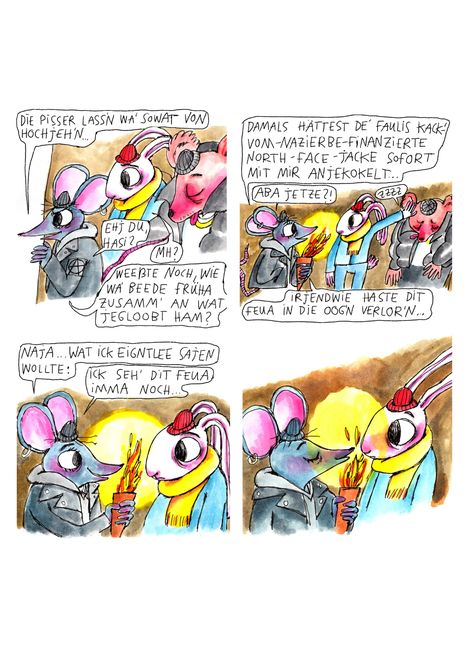
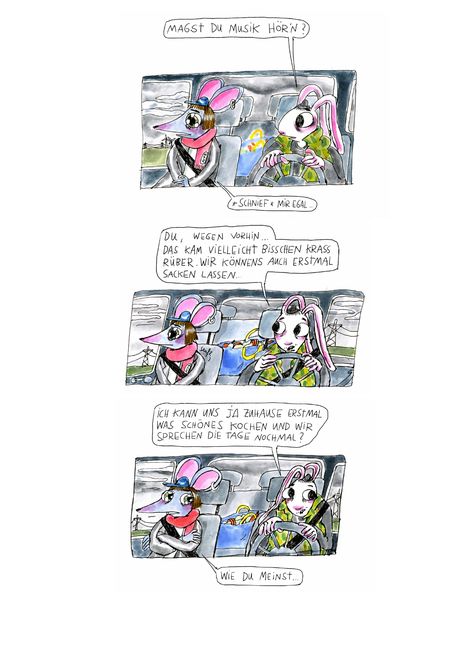
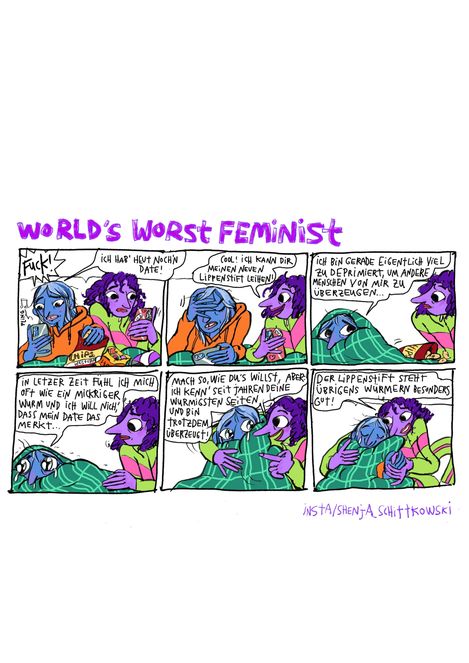
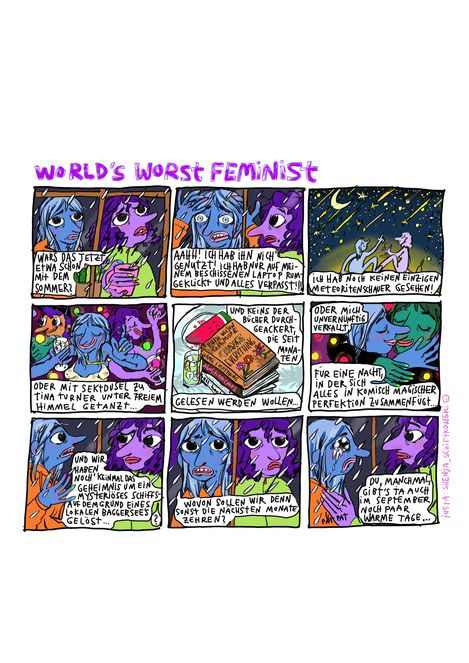
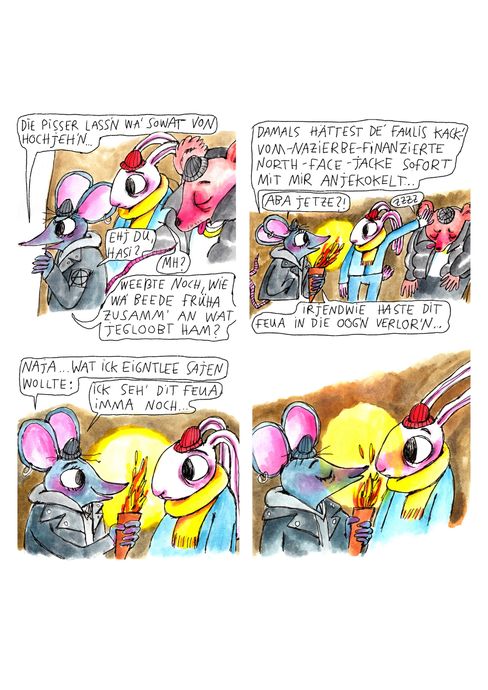
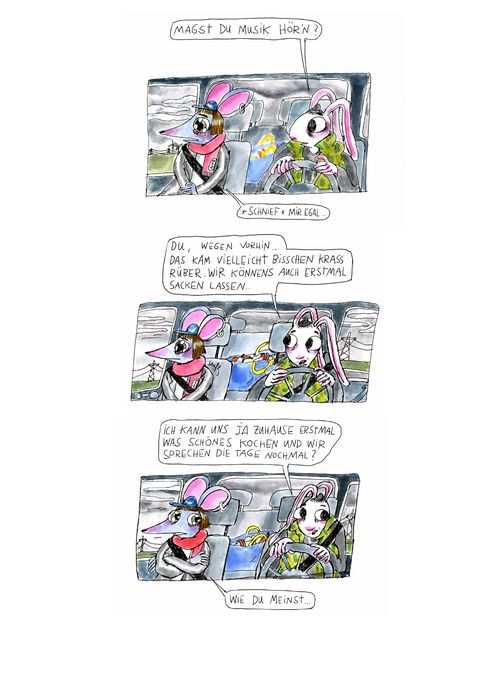
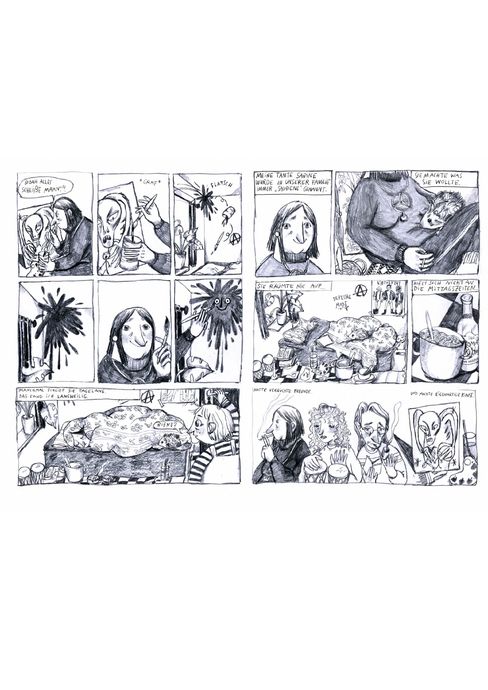
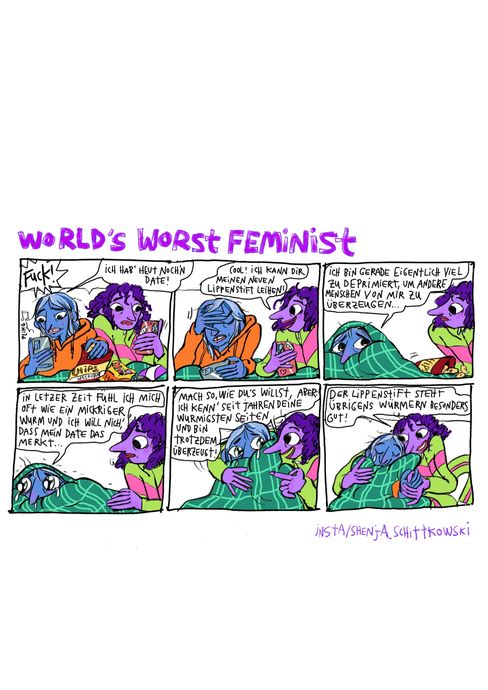
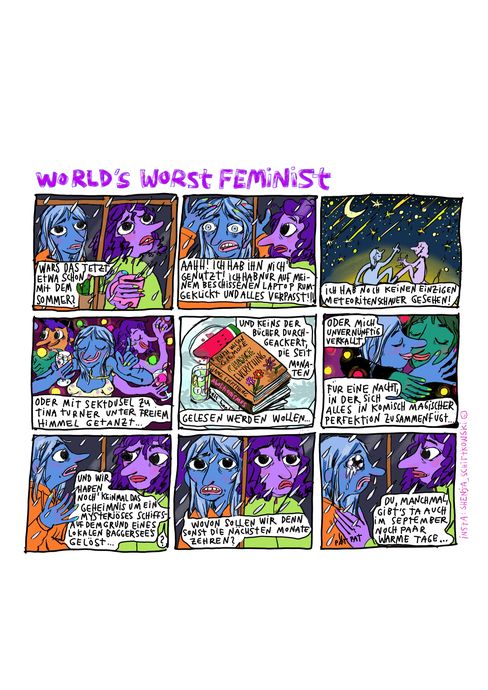
Shenja Schittkowski lives and works in Berlin. She completed her Master’s degree in Illustration in the comics class at HAW Hamburg. In her comics, essayistic and personal narratives blend with absurd observations of urban scenarios, alongside influences from political and sociological theory.
Project Info
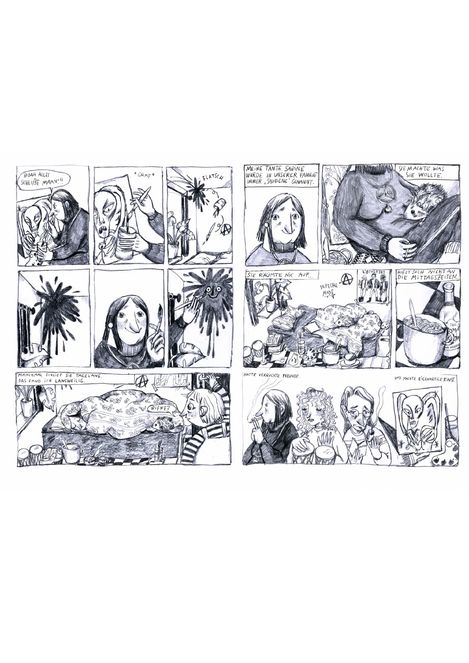
I was born at the end of the 1980s in Meissen, Saxony, as one of the last children of socialism. In the early 1990s, my parents were active in the punk-wave band “Kein Mitleid,” which made them a target for right-wing, violent hooligans. The band was protected by left-wing Oi-punks, foremost among them “Götschi,” a 19-year-old apprentice locksmith who regularly showed up in my parents’ rehearsal space and proudly recounted his fights. Although my parents rejected violence, they were glad to have Götschi by their side, even though he didn’t always fight purely out of idealism, but also to escape the oppressive emptiness of the small-town post-reunification period.
In the issue for the Comic Cabinet at the MQ, I plan to develop the first part of a series on the theme of youth and protest. The story tells a dialogue between the first-person narrator and the now 50-year-old ex-punk Götschi. Together, they take a look at the social situation in 2024, reflect on the year 1991, and explore current possibilities for protest.