selma banich


Key Facts
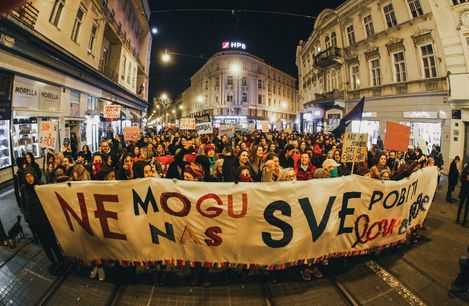
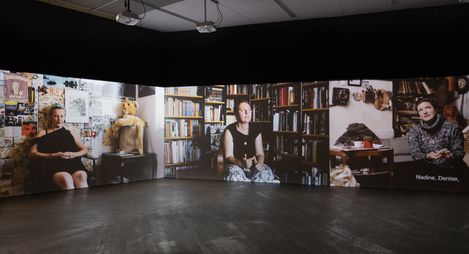
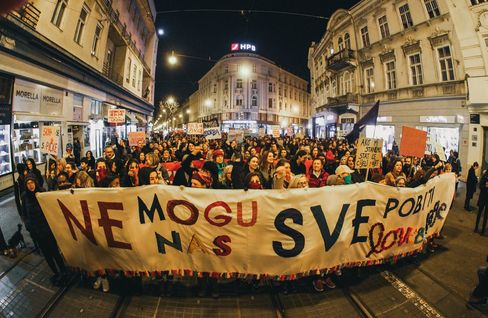
selma banich (b. 1979, Yugoslavia) is an artist, activist, and community organizer from the Balkans. Her work unfolds at the intersection of art, political action, and transnational solidarity, grounded in anarchist, feminist, and decolonial thought and practice. Rooted in explorative, process-driven, and communal methodologies, banich’s artistic practice is both context-responsive and collaborative — developed with artists, curators, communities, and grassroots movements across geographies. Deeply committed to feminist, anti-fascist, migrant, and workers’ struggles, she actively contributes to local and transnational solidarity initiatives, including “Zagreb Solidarity City“, “Solidarityline Balkans“, and “For BREAD.“ banich has received several fellowships and honors.
Project info
During her residency at MQ, selma banich critically examines the historical, social and ecological narratives surrounding the indigo dye, deepening her ongoing research into its complex and violent global legacy.
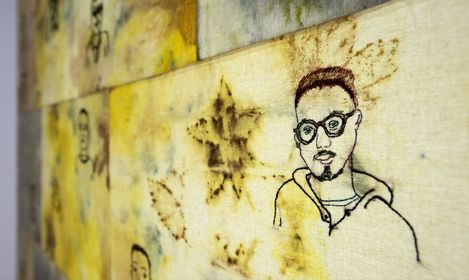
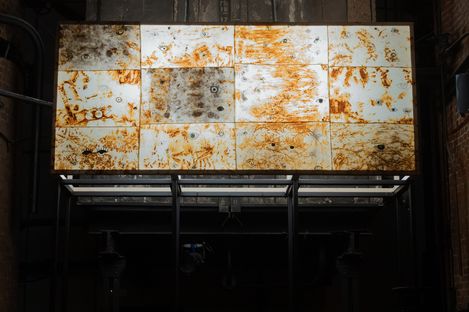
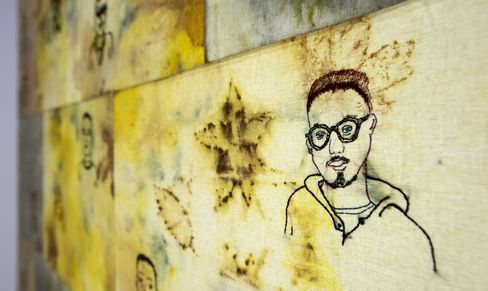
By experimenting with dyeing, quilting and tufting techniques, she explores the materiality of indigo in interplay with the resistance poetry of feminist and decolonial authors. This interdisciplinary approach enables a politicized examination of the dye and its entanglements with colonial exploitation, forced labour and ecological destruction - and traces how these stories continue to have an impact in the present day.
banich wants to develop new tools and methods to deepen political and artistic research.In exchange with the Viennese cultural landscape and other residency participants, she wants to create solidarity across contexts and contribute to a common artistic language of resistance, remembrance and care.
The resulting work focuses on the textile as a place of resistance, care and collective imagination.