Polina Rukavichkina
Key Facts
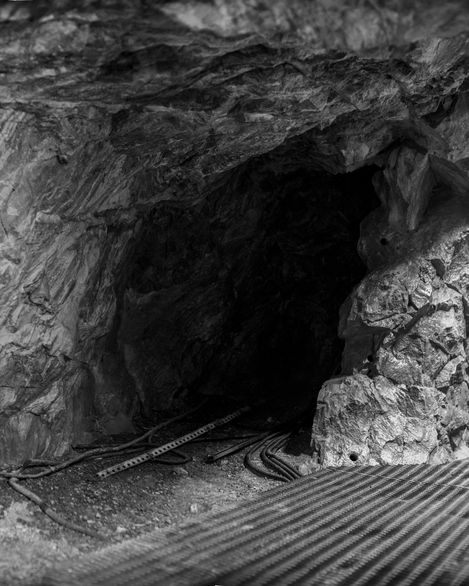
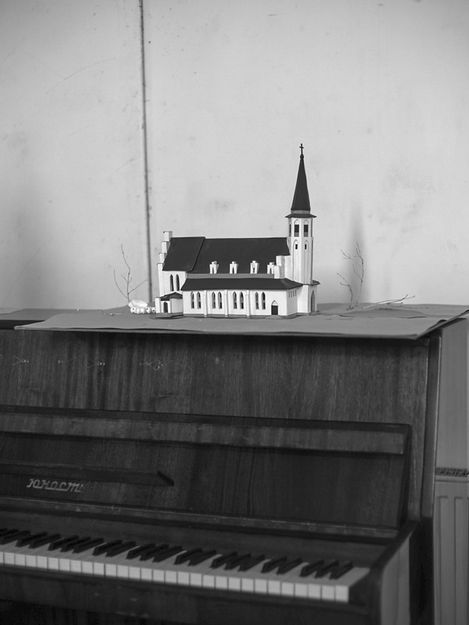
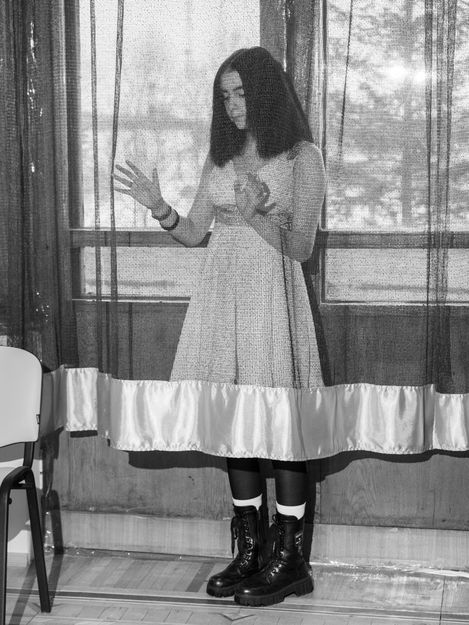
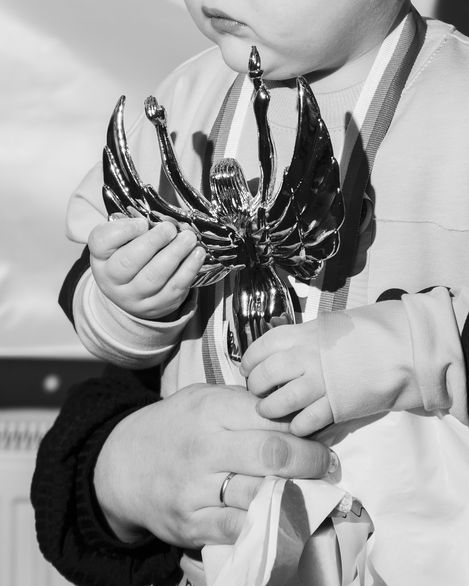
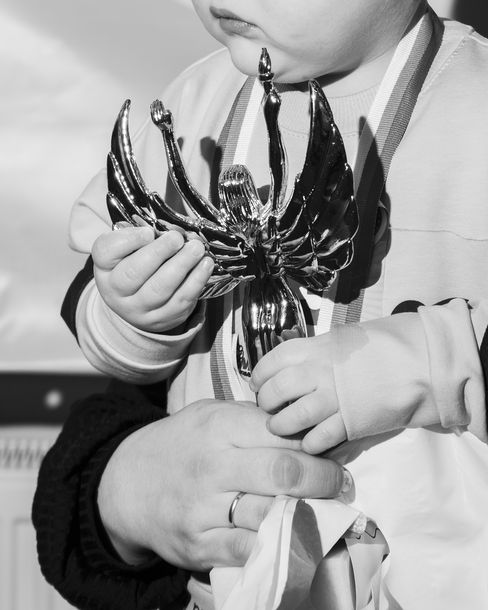
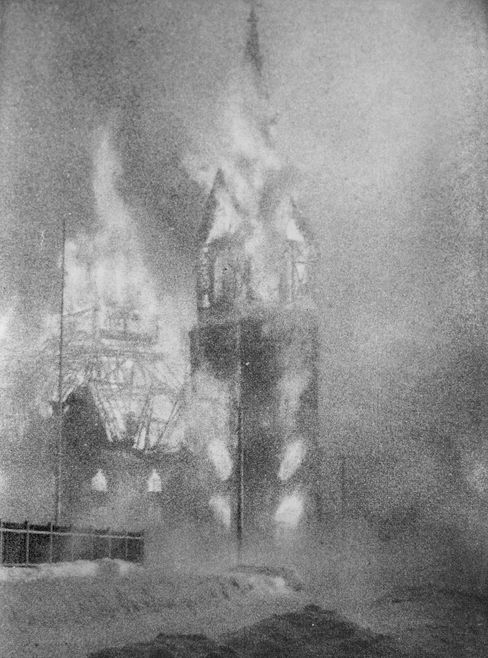
Polina Rukavichkina (b. 1995, Minsk) is a visual artist and photographer whose work explores themes of vulnerability, collective trauma, and identity formation. Her photographic practice navigates between documentary and fictional narratives, inviting viewers to question notions of reality, perception and memory.
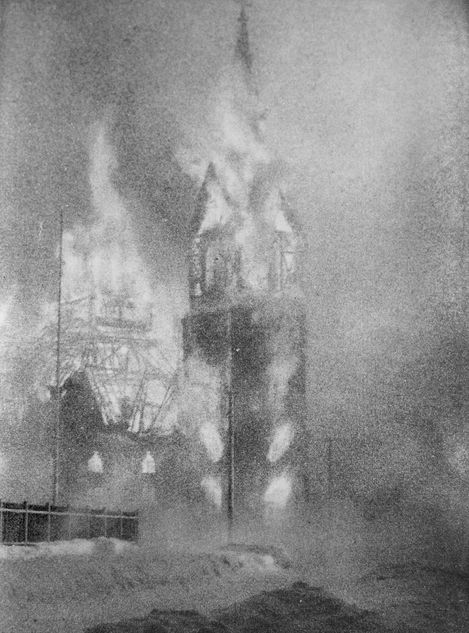
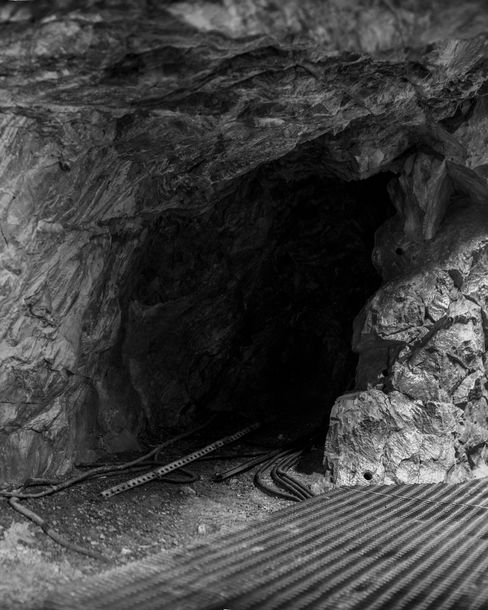
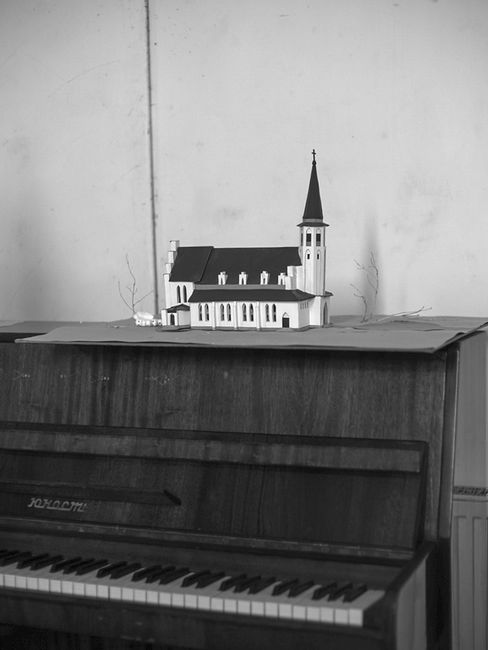
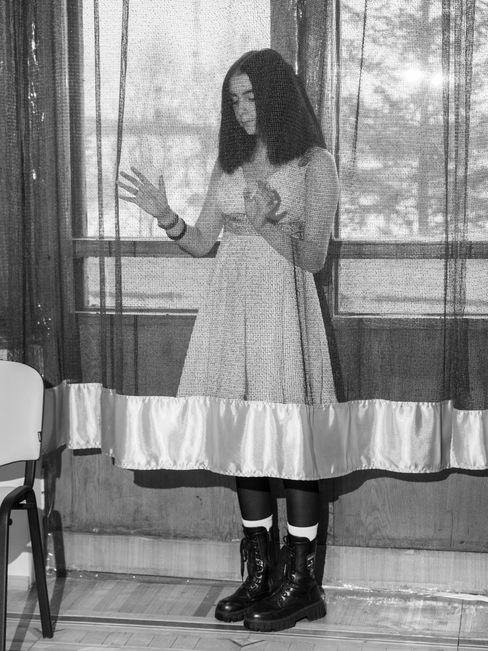
Her major photographic projects feature “Melting Armour“ (2022– 2024), “Luty“ (2022–2024), and “Pale Shelters“ (2024–2025). Rukavichkina participated in the grant programme of the Garage Museum of Contemporary Art (2023) and was a resident of the Garage Studios (2023), and was nominated for the international “Leica Oscar Barnack Award“ (2022).
Polina Rukavichkina graduated from the Rodchenko Art School in 2021. She is currently based in Moscow.
Project info
During her residency at MQ, Polina Rukavichkina will explore how personal and collective trauma are inscribed in both bodies and built environments. Through photography, she seeks to uncover the psychological and emotional traces that trauma leaves behind. Drawing on Austria’s layered history—as the birthplace of psychoanalysis and a site marked by a fascist legacy—Rukavichkina examines how ideologies of control, care, and resistance reverberate through the country’s architecture and psychological landscape. Rukavichkina’s photographic practice blends documentary and constructed narratives, focusing on how memory, perception, and trauma shape both subject and viewer. In Vienna, she will engage with the city’s social housing legacy, the radical spatial politics of Margarete Schütte-Lihotzky, and feminist art archives like the VBKÖ and the VALIE EXPORT Center Linz. She plans to begin a new body of work through photographic and research-based exploration, allowing intuition and context to guide her direction. Rather than starting with a fixed narrative, she will investigate how traces of ideology, memory, and resistance might surface in everyday spaces and encounters.