Kamilla Dzhaparova
Key Facts
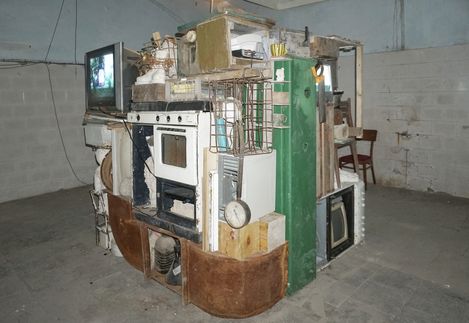
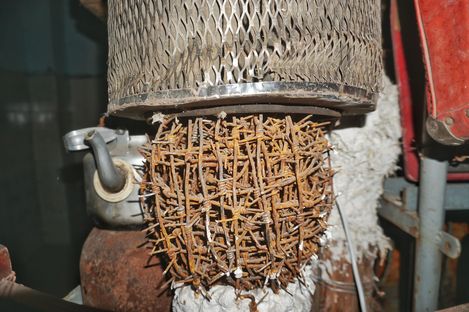
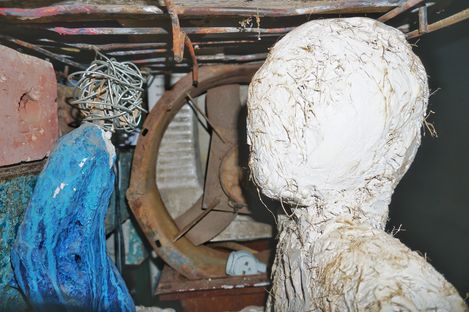
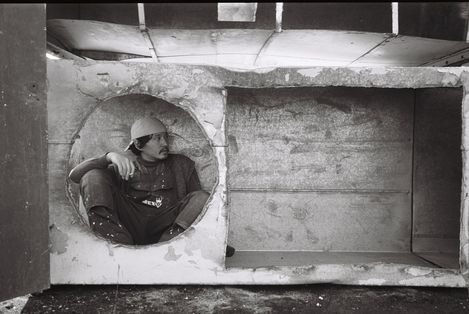
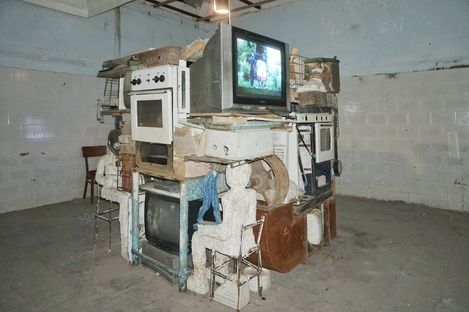
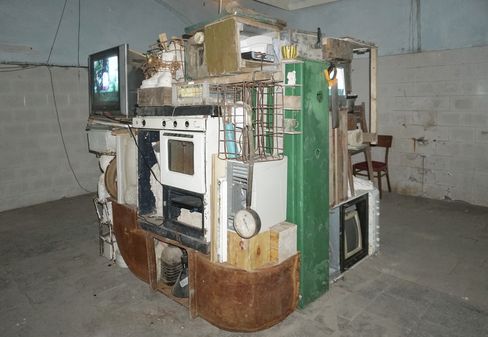
Kamilla Dzhaparova (b. 2000, Kyrgyzstan) is an artist and curator based in Bishkek. Her practice moves between video, photography, and painting, exploring memory, landscape, materiality, and the relationship between people and place. Her works often begin with personal observations and everyday surroundings, looking at how places hold memories and how our perception of them changes over time.
Alongside her artistic practice, Kamilla Dzhaparova works as a Museum Coordinator at Tolon Museum of Modern Art in Bishkek. In 2025, she founded Qyimyl, an independent art collective supporting emerging artists and contemporary art initiatives in Kyrgyzstan. Her recent exhibitions include 3WORLD at Tolon Museum of Modern Art and group exhibitions with Qyimyl.
Projectinfo
The project explores different forms of memory and the ways in which stories, images and objects travel across places and generations. Coming from Kyrgyzstan, Dzhaparova is interested in the relationship between material and immaterial cultural memory: from historical photographs and objects preserved in European collections to the Kyrgyz epic Manas, transmitted through generations through storytelling and performance.
During the residency in Vienna, she will research museums, archives and collections holding materials connected to Central Asia, including those gathered during historical expeditions such as those of György Almásy. These encounters will become a starting point to reflect on how memory changes when it is recorded, collected, displaced or retold in another context. Through photography, video and installation, Dzhaparova will explore memory, place, materiality and transmission, allowing the research to develop into a new body of work.