Ihor Biloushchenko


Key Facts
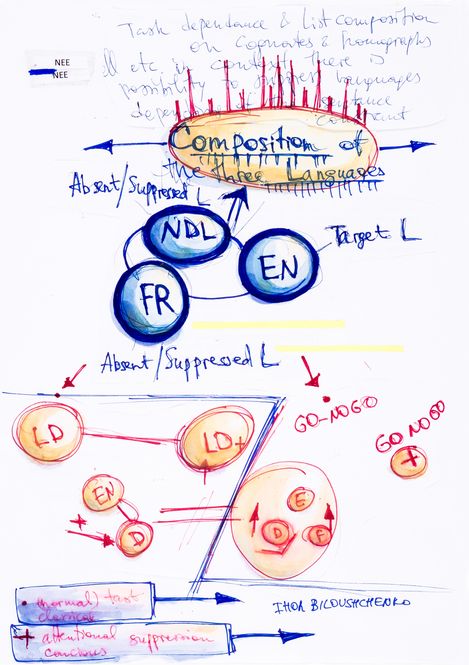
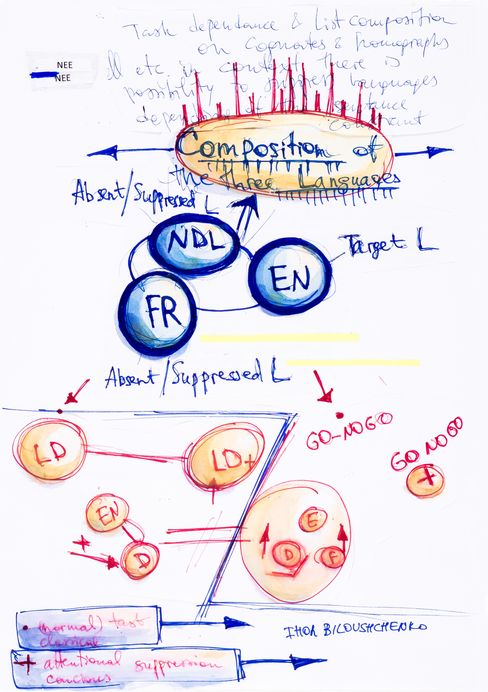
Ihor Biloushchenko (1984, Dresden) is an interdisciplinary artist working at the intersection of art, cognitive science, and ecology. Trained in psycholinguistics (PhD), his practice investigates communication systems across human and non-human domains, with a particular focus on sound, perception, and environmental processes.
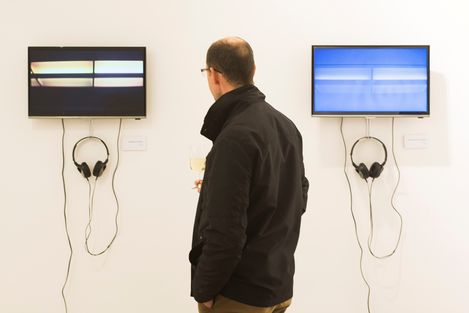
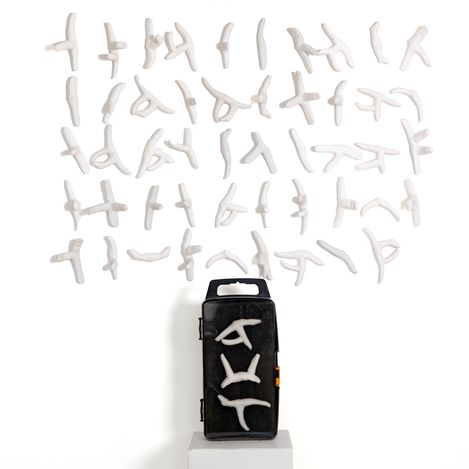
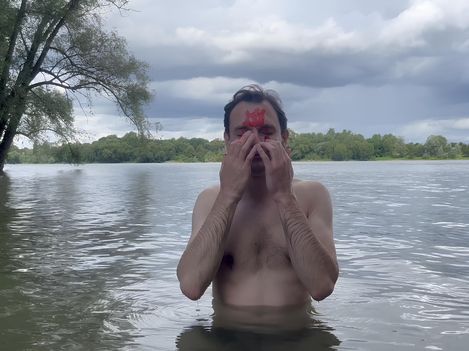
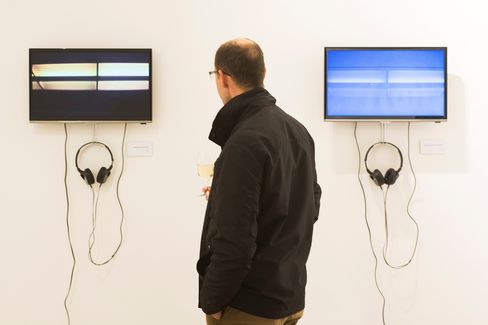
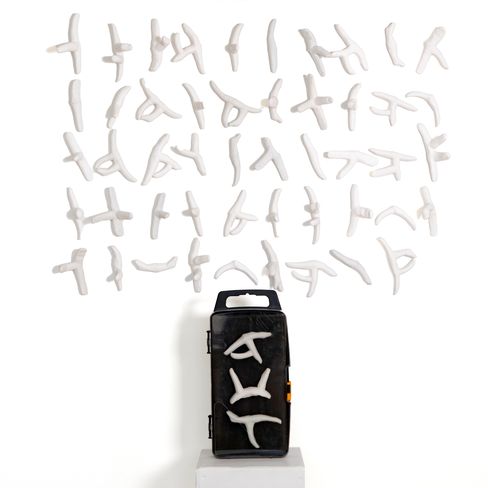
His work translates ecological signals–such as water movement, river systems, and sonic environments–into installations, video, and performative formats. Combining empirical research methods with artistic experimentation, he develops hybrid frameworks that examine how meaning emerges, distorts, or fails across different forms of communication.
Project info
This project investigates rivers as dynamic communication systems. It explores how water encodes, transmits, and transforms information through movement, sound, and interaction with environmental and human infrastructures.
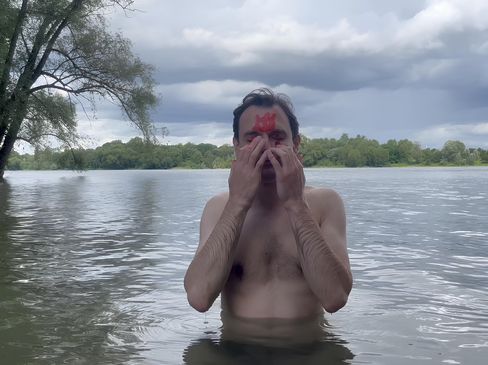
The research focuses on the Danube as a site-specific case study. Through field recordings, observational mapping, and experimental translation processes, hydrological and acoustic data are reinterpreted into visual, sonic, and spatial forms.
The project draws on methodologies from psycholinguistics and cognitive science to examine how patterns in water flow can be approached as a form of “non-human language.“ It questions how meaning is constructed when signals are continuous, unstable, and non-symbolic.