Heike Kelter
Key Facts
Heike Kelter, born in Münster, Germany, spent her youth in South Africa, Turkey, Canada, and Brazil. She completed her Master’s degree at the Berlin University of the Arts in 1994. She was a scholarship holder of the Friedrich Ebert Foundation and received cultural funding from the Berlin Senate in 2018. Kelter has taught in Berlin and London and held a residency at the Rothko Museum, Latvia, in 2025. Her work has been widely exhibited in Germany and the UK. In 2026, the artist is participating in the Artists-in-Residence Programme at MuseumsQuartier Vienna.
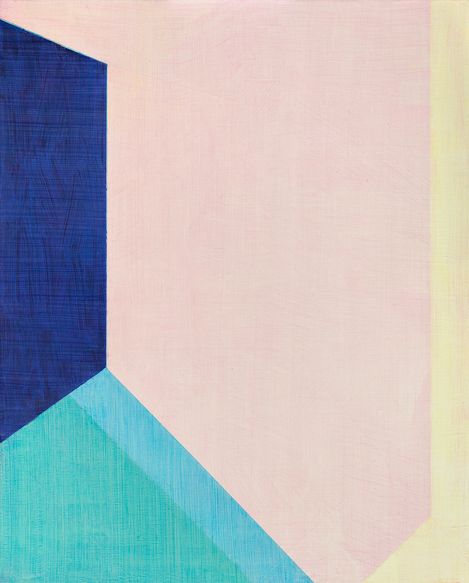
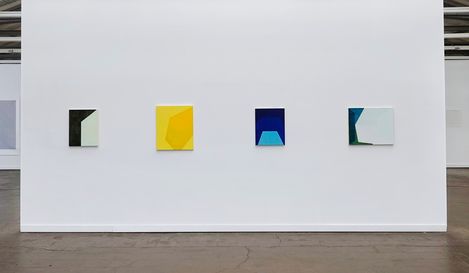
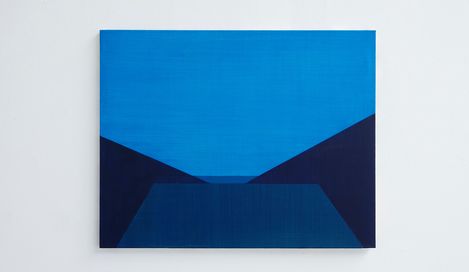
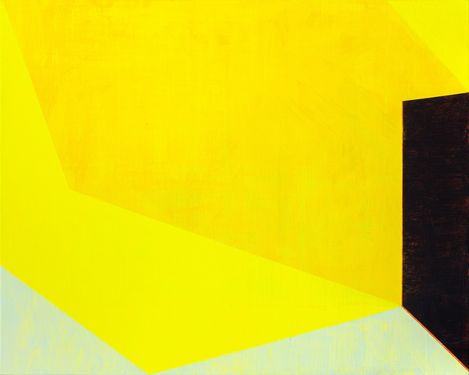
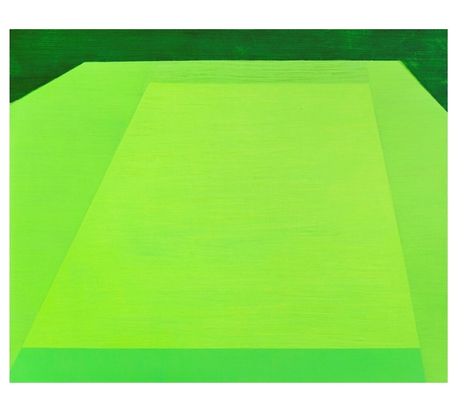
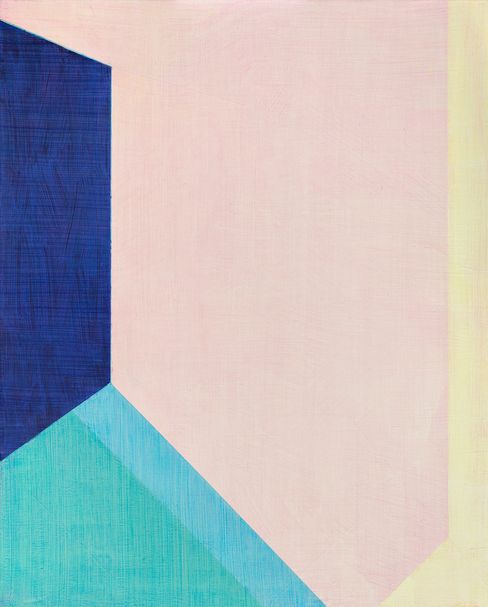
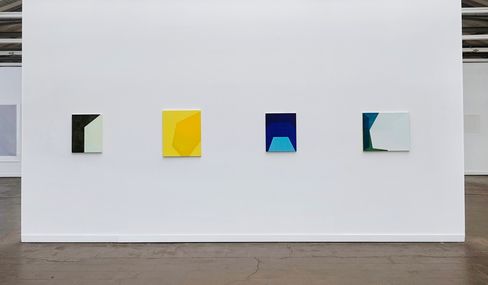
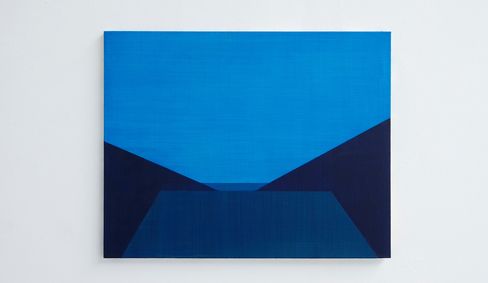
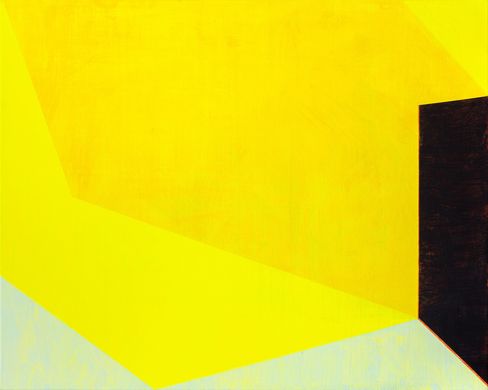
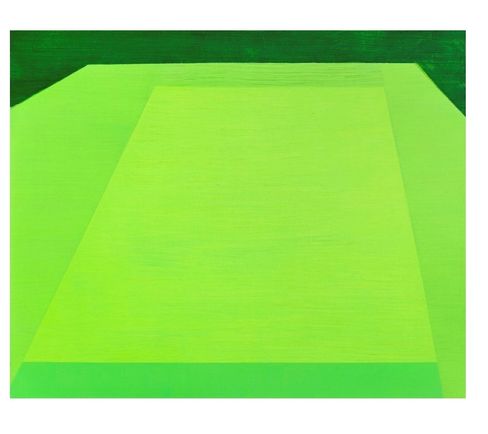
Kelter’s paintings explore space, perception, and abstraction through geometric form and color. Suggesting architectural structures, her compositions oscillate between depth, flatness and instability. Color functions as both material and atmosphere, creating subtle optical shifts. By grounding the work in materiality the paintings maintain an overall sense of stillness and contemplation, quietly immersive. They exist in a suspended state of Being.
Project information
During her residency at MQ Vienna, Kelter would like to develop and explore further techniques: of how a new chromatic palette relates to a freer-hand of application. Colour plays such a central role, as a material element and experiential force. From highly saturated tones to muted, translucent hues, it functions not only as a visual element but as an emotional and atmospheric force. These optical shifts challenge stable figure-ground relationships and emphasize the temporal dimension of viewing. The emphasis will be on finding a new gestural process to create a depth into the inner space of the colour - for there to be a loosening up of the previous formality. A freer hand, to blend colors through layering and over-glazing into their balanced and unbalanced chroma. This would be a new path in developing the underlying idea of creating space.