Dorottya Szonja Koltay
Key Facts
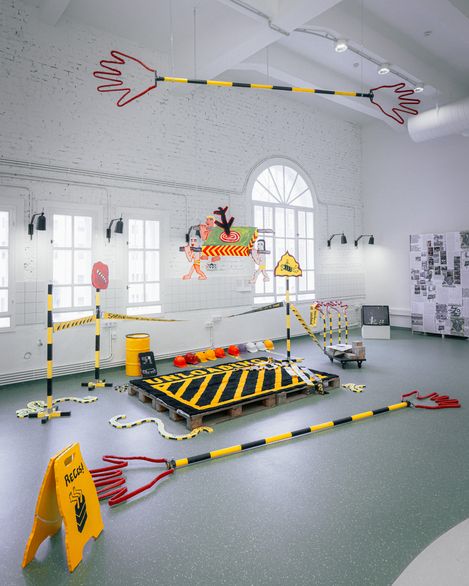
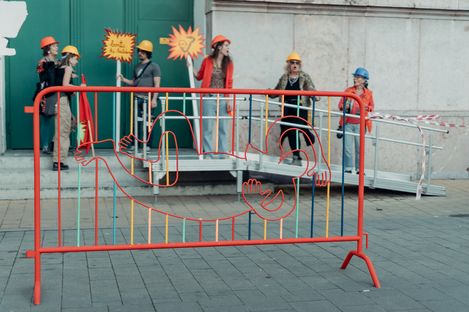
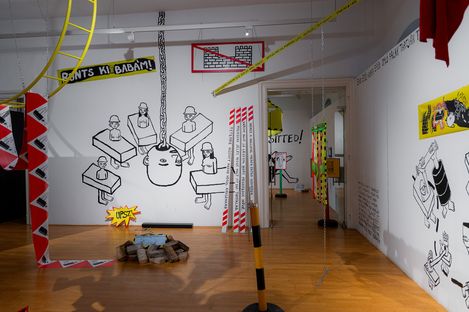
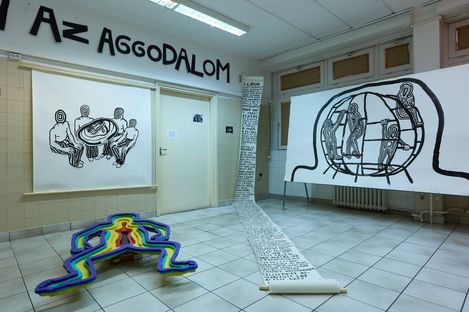
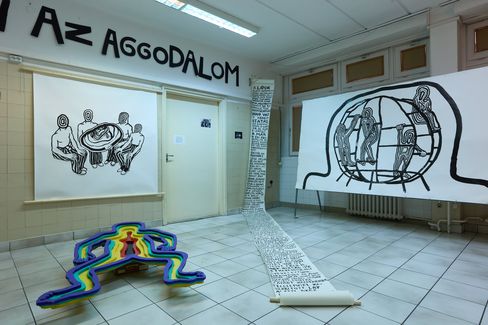
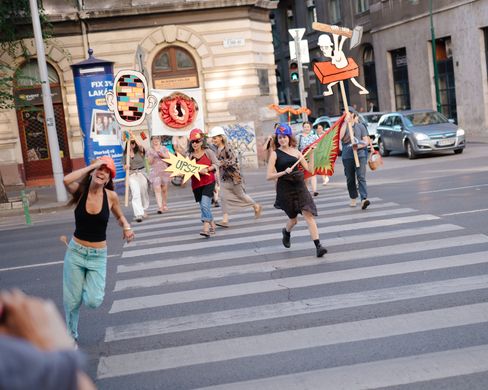
Dorottya Szonja Koltay (born 1996, Budapest) is a visual artist. Her work is characterised by an interdisciplinary approach in a diverse range of media. Through her projects, she creates opportunities for collective play. Using performative exercises, she tries to encourage us to practice peaceful mobilization. She is involved in developing participatory processes with the aim of making creative abilities as widely accessible and attainable as possible. She creates public art installations as well as projects tailored to intimate spaces, exploring fragile experiences or collaborating with marginalized groups. She explores the hard-to-reach layers of private narratives. She focuses on the intimate sphere, on relationships; what is within the four walls, or right inside the wall itself. Vulnerability and aggression are central themes in her narratives, often accompanied by absurdity and playfulness–elements that also shape the process of taming these experiences.
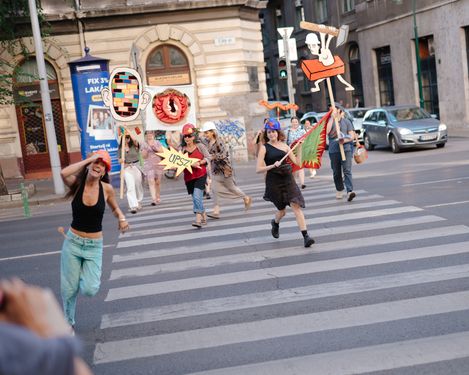
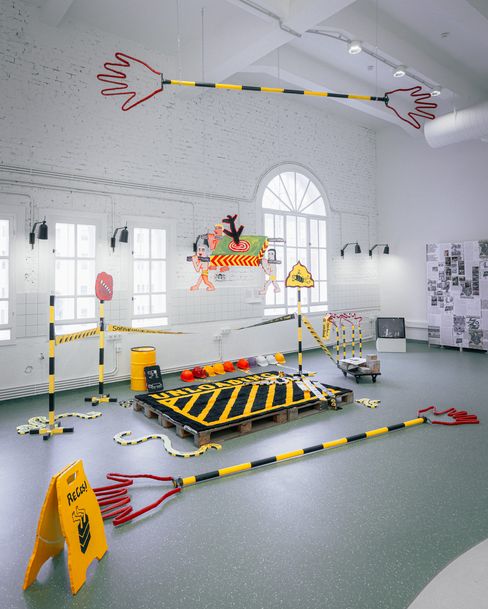
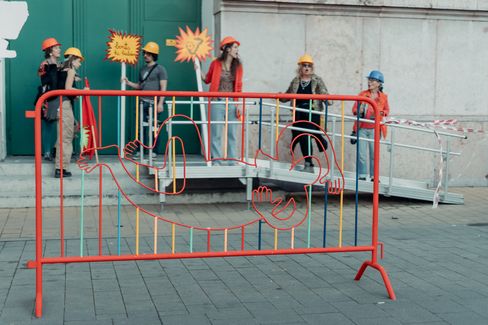
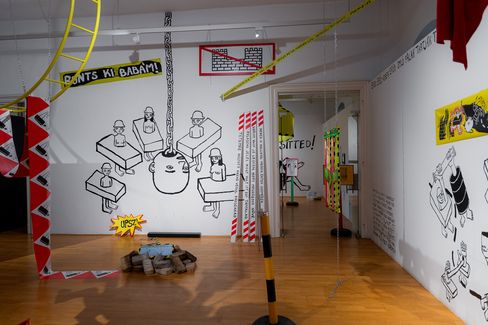
Among other venues, Koltay exhibited her works at the OFF Biennale Budapest in 2025. She won the AICA Award in the Best Solo Exhibition category for her exhibition "Brickology: What fell down by night, was built back by dawn“, presented at the Kassák Museum, where she collaborated with the Téglakar (Brick Choir) performance collective–which she founded–in 2026.
Project info
She is looking forward to testing her cooperative approach–a form of community collaboration where she can apply her existing methodology in a new community. This can be achieved through storytelling, playful knowledge sharing, and the creation of protected personas. She aims to create a space where documentum and fiction interplay with one another.
She crafts yet another practical guide to help navigate the darkness–a pocket dictionary for staying at home. She strives to create a fictional handbook where accumulated knowledge, though sometimes completely irrational, nonetheless serves the purpose of survival. But she isn't looking for a reason, because where she lives, horror is the norm. She seeks a language to tame the wilderness. She strives for participatory research, in which the roles assumed, and the languages used do not designate fixed perspectives, because the researcher and the researched constantly switch places.