Dariya Temirkhan


Key Facts
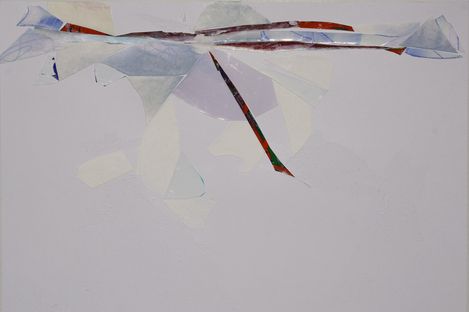
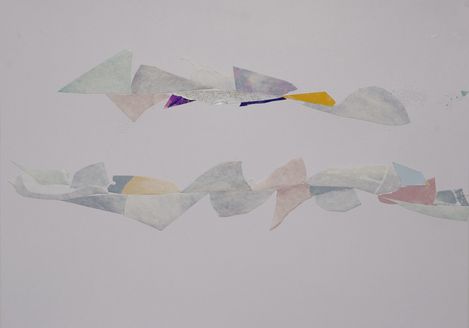
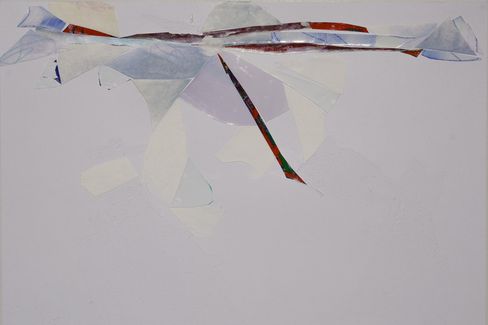
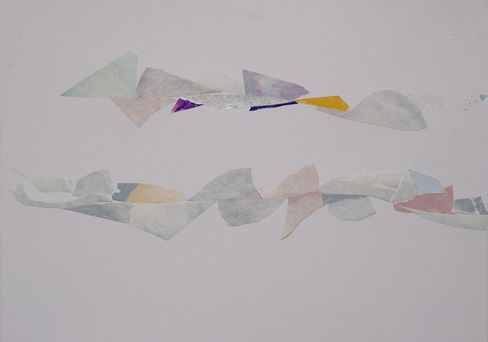
Dariya Temirkhan is an artist. She works in a media of digital and physical collages, sound art, and video art. In her works, Dariya focuses on water as a central theme, approaching it from the perspective of a citizen of Kazakhstan, where access to water, its absence, and its political and ecological significance are deeply embedded in everyday life. She observes and records reality as it unfolds, reflecting on how natural resources shape personal experience, collective memory, and therelationship between humans and their environment. These ideas are conveyed through the creation of abstract images and mythical beings that emerge from her works.
In 2023, she held a solo exhibition, “Tynys Bitti“. The exhibition explored feelings of anxiety and uncertainty following the January Events in Kazakhstan, reflecting on the violence against Kazakh citizens during the peaceful protests.
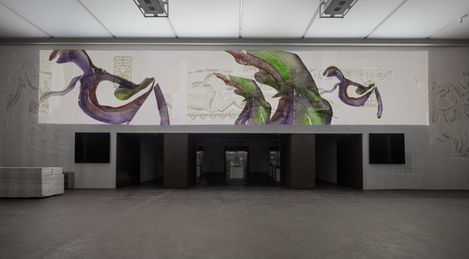
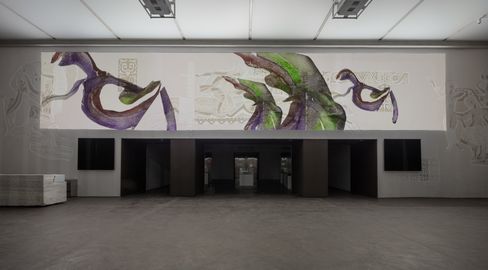
In 2025, the artist participated in the opening program of Tselinny Center, “Barsakelmes“. During the event, her video work “Who Guards Your Dreams?“ was projected onto mural.
In 2026, Temirkhan is participating in the Artists-in-Residence Programme at MuseumsQuartier Vienna.
Project info
During her residency, Dariya plans to deepen her research into the history of the Kerderi tribe and its relationship with water. As Kazakh society is historically organized through tribal lineages, each tribe carries its own history. The Kerderi tribe is believed to have originated in the Fergana Valley and along the Syr Darya River, later migrating toward the Aral Sea region. Historical sources suggest that the Aral Sea was once called as the Kerderi Sea before the tribe continued its movement westward to the Zhaiyk, where the artist herself and her family were raised.
Learning about this historical connection prompted the artist to investigate her own lineage's relationship with water. Before the residency, she plans to collect historical records and trace a timeline of the tribe’s migrations from one body of water to another, using these findings as a foundation for future artistic works. During the residency, she intends to further expand this research through exploring museum collections and visual representations of regional water histories.