Chumani Ivukuvuku Mantanga
Key Facts
Ivukuvuku is from eMgwenyane village in Tsomo, the Eastern Cape. They are a multi-dimensional artist working across painting, glass, ceramics, writing, photography, and performance art. Their practice explores themes of memory, home, healing, history, and ancestry.
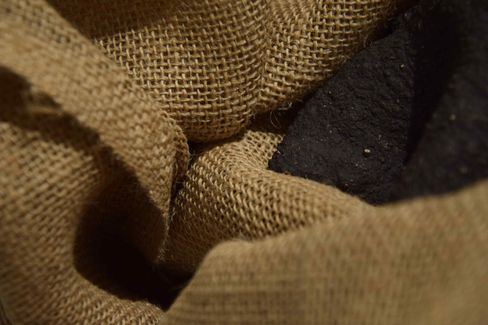
Ivukuvuku completed their Bachelor’s Degree in Fine and Applied Arts at Tshwane University of Technology. The name Ivukuvuku is inspired by the realisation that a piece of cloth, even when perceived as unpleasant or overlooked, can represent rebirth, transformation, and the celebration of healed versions of selves.
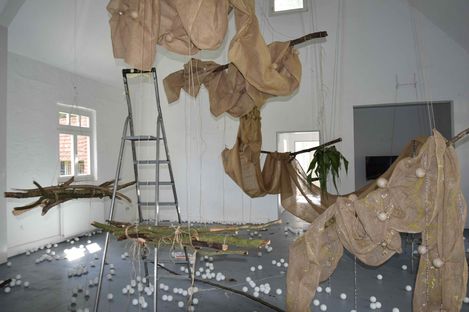
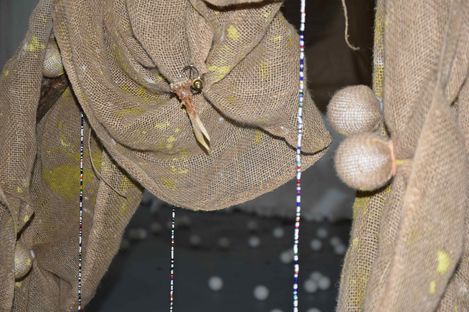
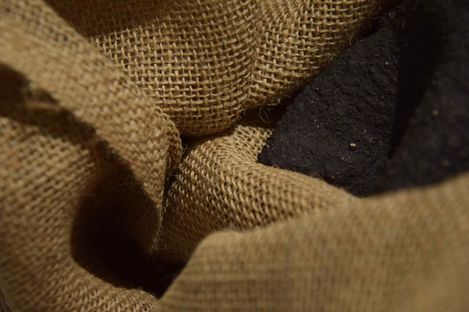
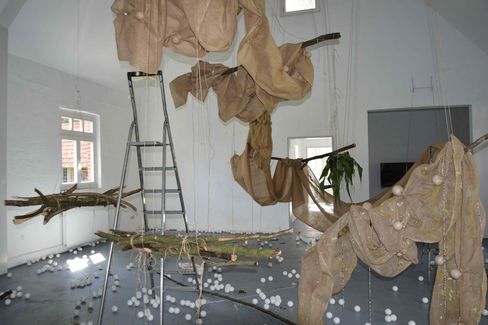
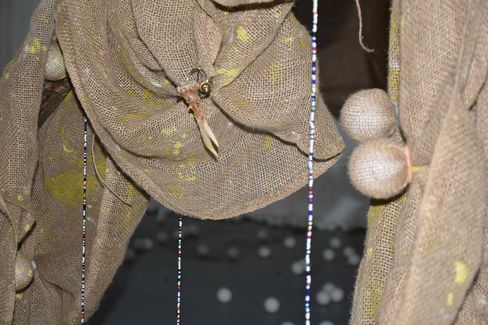
Ivukuvuku’s artistic practice embodies a profound expression of transformation and renewal, breathing life into discarded indigenous materials and practices. Through elemental rituals and intricate embellishments, sackcloth is transformed into a powerful symbol of identity, memory, and ancestral heritage. By likening sackcloth to skin, they challenge societal norms and expectations, subjecting the material to elemental forces such as water, fire, wind, and sun, before adorning it with intricate beadwork, animal skins, and other techniques. Through this process, Ivukuvuku weaves complex narratives of identity, memory, and ancestral connection, creating sacred spaces for collective healing, reconnection, celebration, and honouring the continued presence of ancestors.
Project info
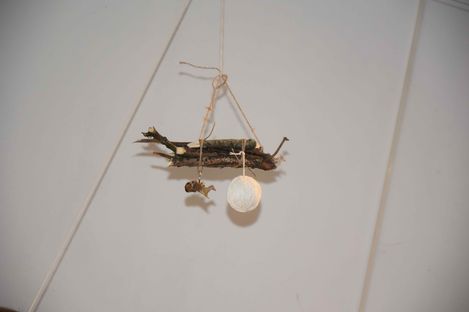
Through this residency, Chumani Mantanga intends to weave memories of her grandmother into a narrative of personal and collective ancient consciousness. Informed by the moon’s cycles of renewal, her creative expression incorporates movement and natural elements to capture the essence of life’s rhythms. She explores transformative moments through ritualistic expressions. By sharing ancient stories, her practice re-members the connection between materiality, body, ritual, and home.
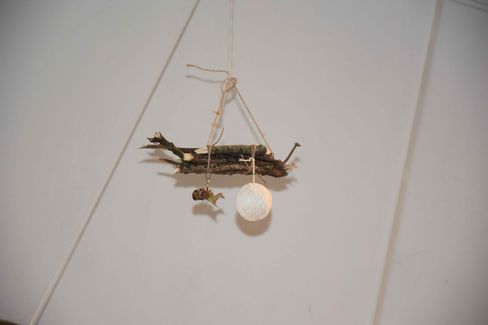
Titled Umnikelo „Umnikelo WokuQamatala / The Beginning of Return“, the work examines the fluid nature of the moon and its connection to ancient rituals and spiritual symbols. It echoes a feminine consciousness that emphasizes the importance of self-representation as a healing tool and sacred sanctuary. Through performance, Mantanga aims to recreate the silhouettes and shapes of the moon and reflect on its transitions through time and space.
Inspired by her grandmother’s stories about the significance of the moon’s phases within Indigenous knowledge systems, the performance intertwines symbols, shadows, reflections, and lunar elements that evoke enchanting memories of womanhood. It honors the enduring nature of uncontaminated and sacred ritual practices that resonate with women’s labor and the wisdom they hold for sustainable living.
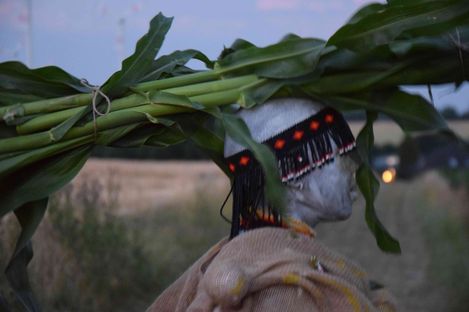
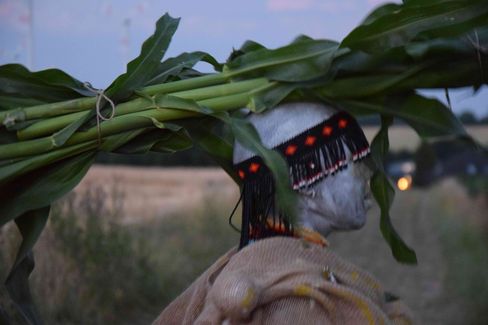
A significant moment within the performance highlights a woman carrying a baby on her back while balancing a bundle of firewood on her head. However, the narrative evolves through figurative bodies, abstract silhouettes, and the reflective nature of the seasons, which mirror human experiences and the ways in which they influence the form and purpose of rituals.