Hoa Nguyễn Thị
Key Facts
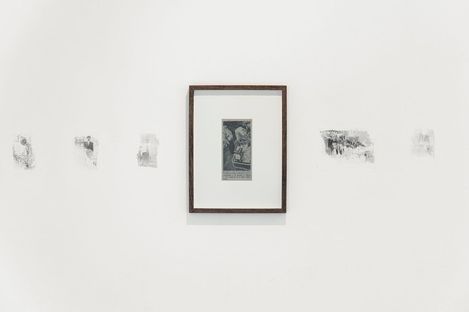
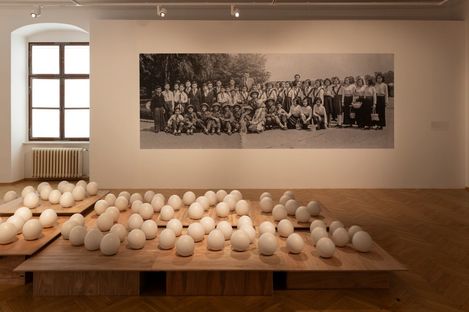
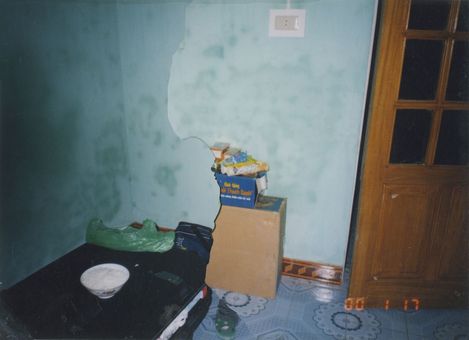
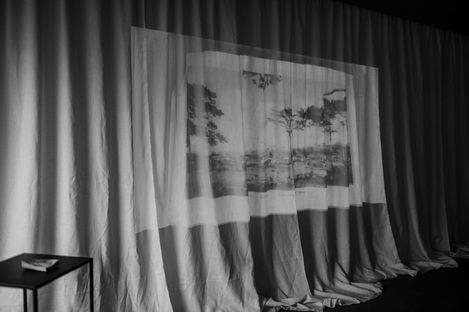
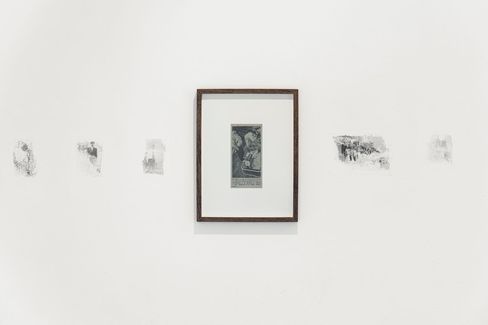
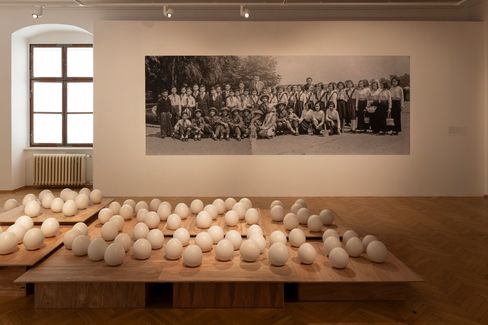
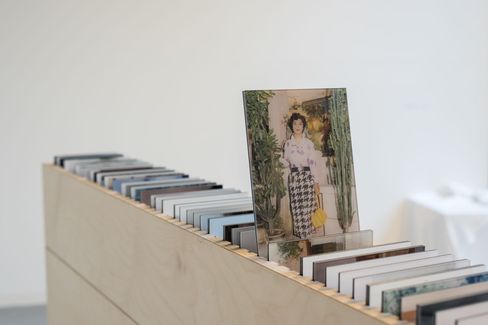
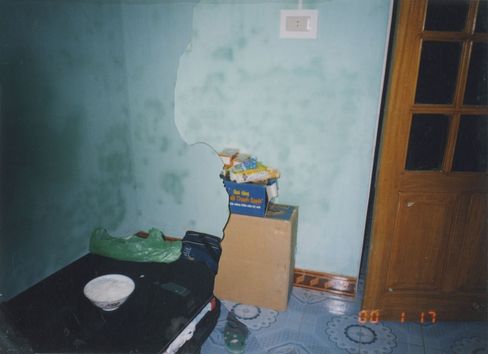
KVET NGUYỄN (Hoa Nguyễn Thị, born 1995 in Nové Zámky, Slovakia) is a visual artist. Her multidisciplinary work primarily explores the theme of otherness in the context of post-socialist countries in Central and Eastern Europe, as well as in broader geopolitical relations. Using autoethnographic theory, she reflects on issues of dual cultural identity through the categories of memory, migration, exile, and longing. Nguyễn won the Oskár Čepan Award 2024 (together with Svetlana Fialová, Paula Malinowska, and Tomáš Moravanský) and completed a residency at the Delfina Foundation in London in 2024. She is author of the autobiographical essay Everything That Connects Us (2024), depicting the story of her family’s migration and her growing up as a Slovak-Vietnamese. Her most recent solo and group projects have been showcased at City Gallery Bratislava (SK), Galerie 35m2 (Prague, CZ), tranzit.sk (SK), The Július Koller Society (SK), Kunsthalle Bratislava (SK), VCCA (Hanoi, VN), and Center A (Vancouver, CA).
Project info
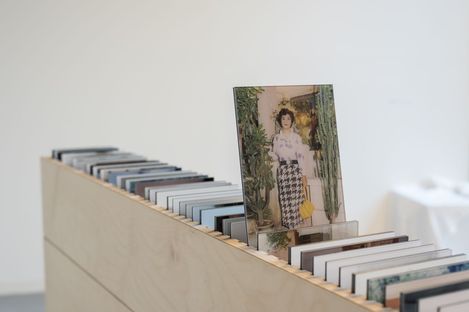
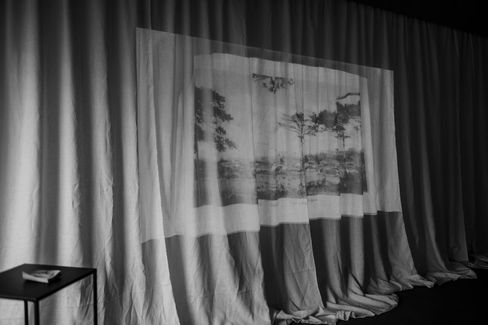
During her residency in Vienna, she will focus on researching post-war and post-crisis material culture, particularly objects created from the remnants of war that embody both survival and resistance. Working with archival and photographic materials, she will explore untold stories embedded in these fragile artefacts and examine how they carry collective memory. Her practice engages with what is hidden or unspoken, using material and image as entry points into broader questions of memory, identity, and belonging.She also aims to connect with Vienna’s artistic and academic communities, engaging in dialogue on the role and limits of art today, while exploring possibilities for future collaborations between Vienna and Bratislava.