Aurelia Mihai
Key Facts
Aurelia Mihai (1968 b. in Bucharest, Romania) is a visual artist and filmmaker, who lives and works in Hamburg, Germany.
She has developed an research-based artistic practice that reflects the process and explores the potential of time-related media used, be it video installation, film,photography, performance, or intervention in public space. In the works she combines aspects of documentation and scientific research with fiction in a multifacetedway. Legends and historical incidents often provide the occasion or starting point for a socio-critical examination of the present.
The strength of her artistic andcinematic narratives lies in linking social and historical events with subjective experiences and memories. In this way, she negotiates narration, memory, and time in avariety of ways as variables for historical and social meaning.
Aurelia Mihai is the recipient of numerous prizes and participated in numerous solo and group exhibitions, including National Museum for Contemporary Art Bucharest,Rumania, Hamburger Kunsthalle, Martin Gropius Bau, Berlin, K21 Düsseldorf, Museo Nacional Reina Sofia, Madrid, Cobra Museum in Amstelveen, The Netherlands,MOCAK Museum of Contemporary Art, Krakow, at Les Abattoirs - Musée - Frac Occitanie Toulouse, France, BenalSur, MNAV Montvideo, Uruguay and the MAXXINational Museum of 21st Century Art, Rome, Italy.
Project information
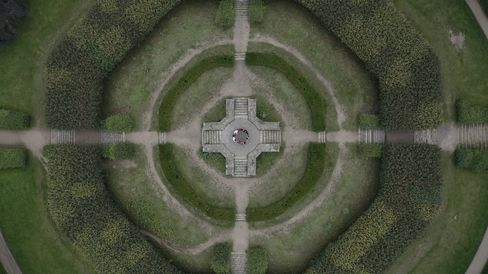
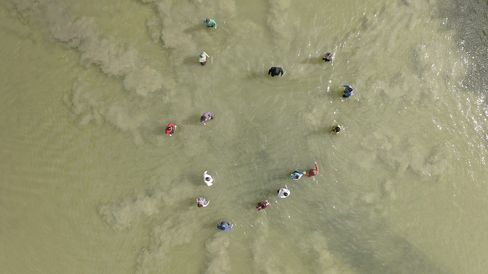
The art research project Liquid Matter / Flowing Stories II operates at the intersection of performance and film and explores the idea that natural elements such as rivers are not only natural systems, but also cultural, historical, and political ones. Along the Danube, for example, water has been both a connecting and a dividing element, a resource and a myth, a source of life and an indicator of crisis.The project explores the relationship between nature and human beings, as well as with non-human living beings more broadly, focusing in particular on the role of water as the “elixir of life” in all its complexity. In Vienna, my historical, ecological, and artistic research into water will carry the project into the future. The city is expanding its water infrastructure through a record-breaking construction project and is currently building the world’s largest enclosed drinking-water reservoir. The project uses the construction of this largest enclosed water reservoir as a starting point to reflect on some of the most pressing ecological issues of our time – our relationship with resources and the scarcity of water. From this example, an artistic parcours, a historical journey, emerges, exploring the significance of water on our planet and throughout our history.The water reservoirs are an architectural heritage and are impressive in their extraordinary spaces. The project does not document the construction itself, but rather accompanies the undertaking from its conception to the reflections it generates. The construction itself, however, remains hidden.