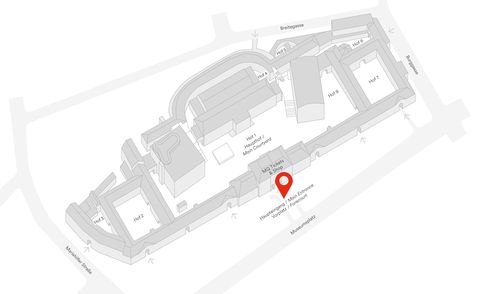
Versuchsfeld1+2
Anita Fuchs
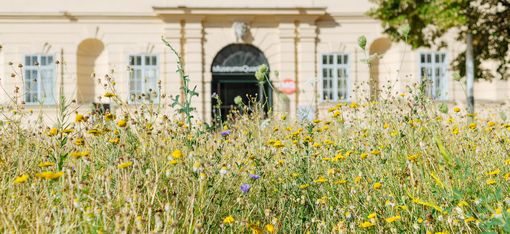
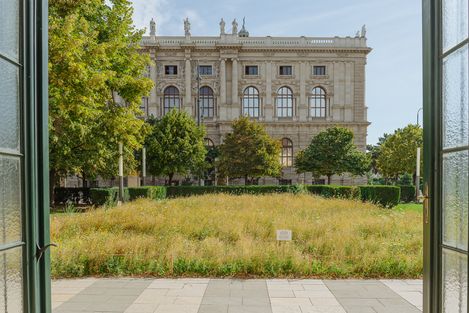
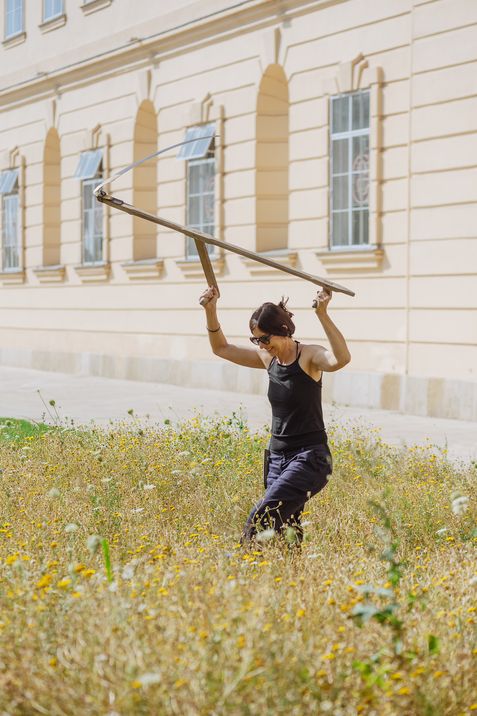
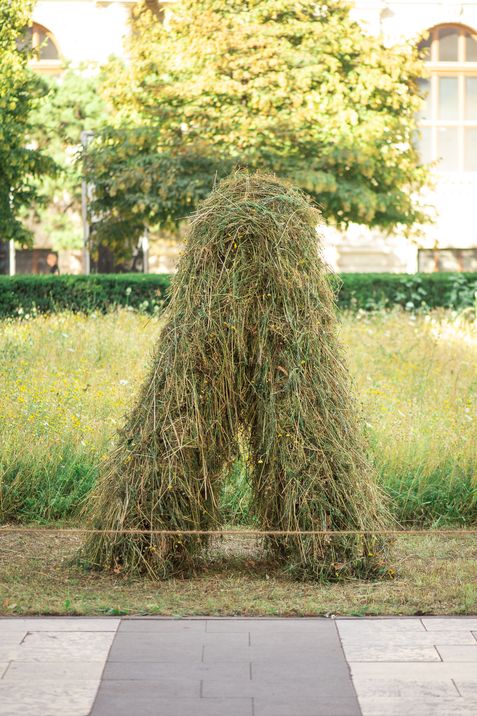
The MuseumsQuartier has invited the artist Anita Fuchs to create a work in response to a 250 m² lawn in the forecourt of the complex. The artist is known for her process-oriented artistic exploration of nature in both urban and rural settings. Her projects combine scientific and artistic research, and she also collaborates with scientists.
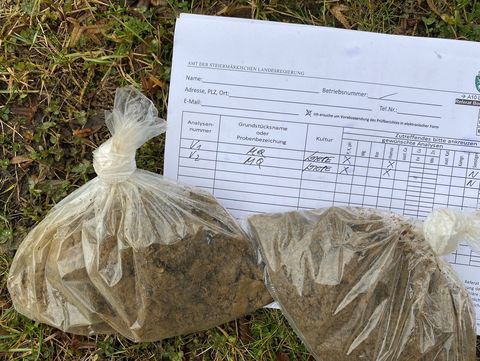
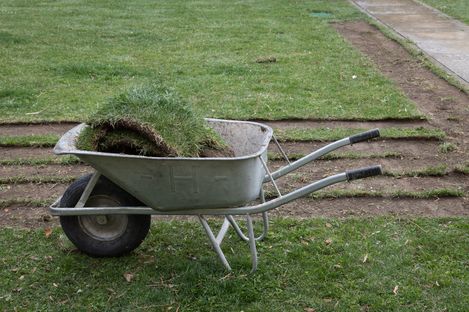
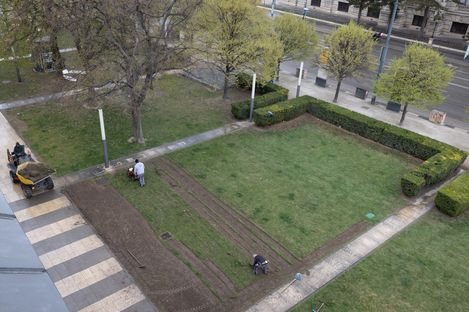
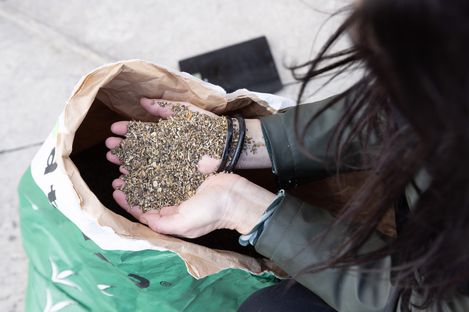
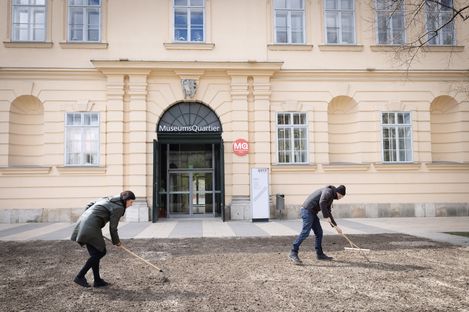
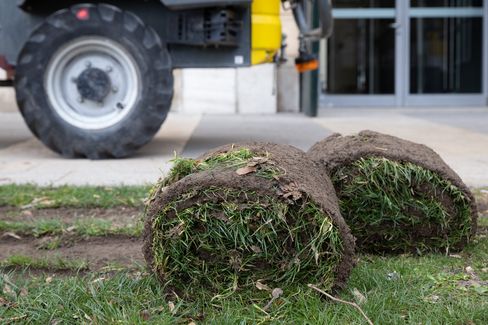
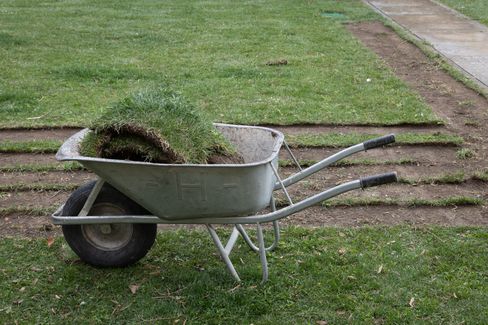
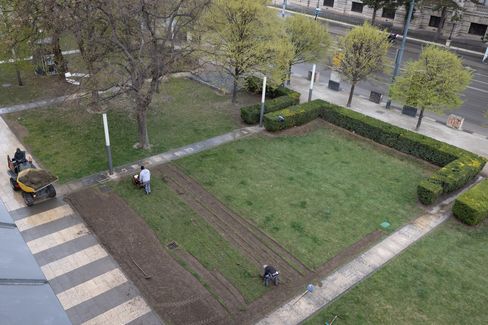
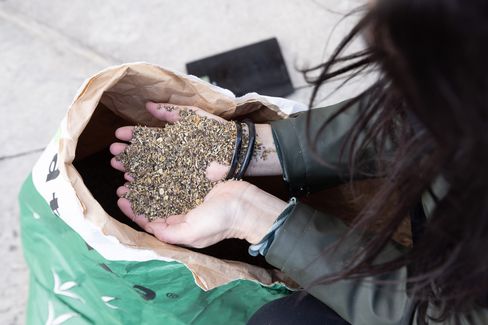
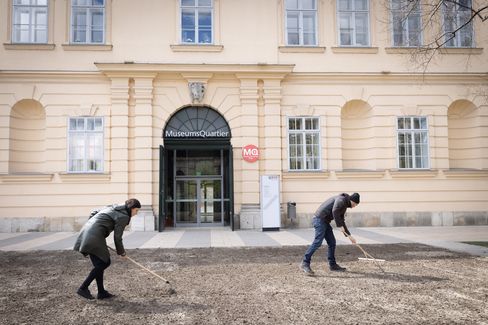
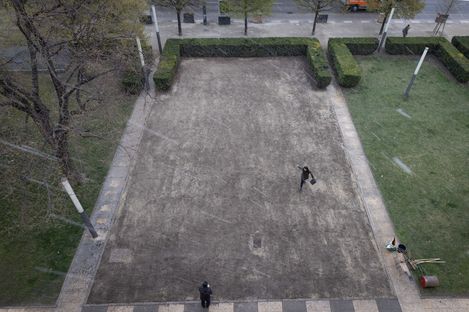
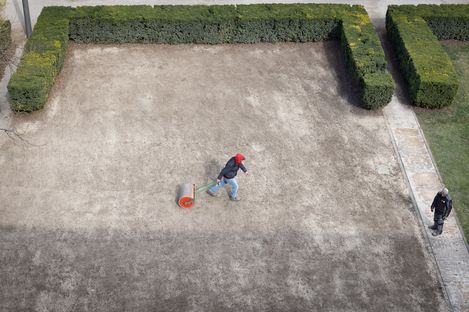
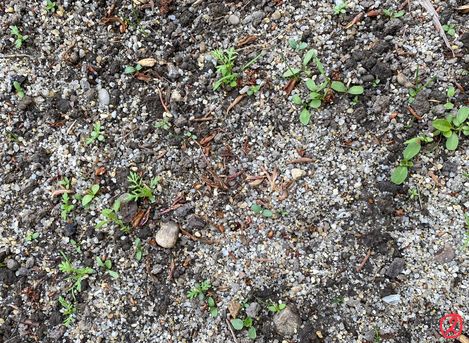
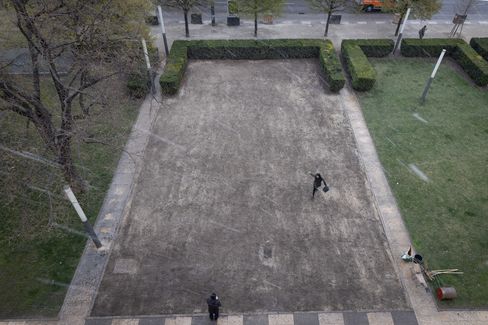
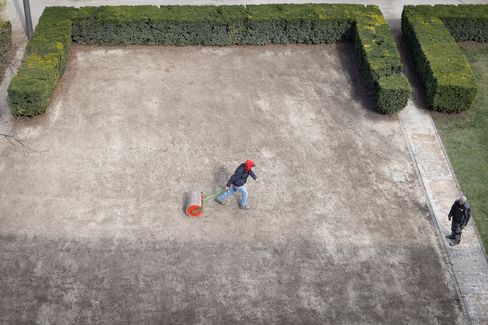
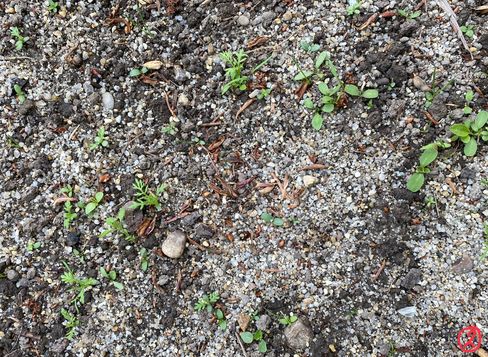
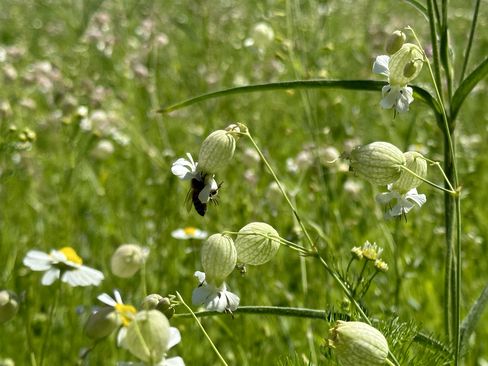
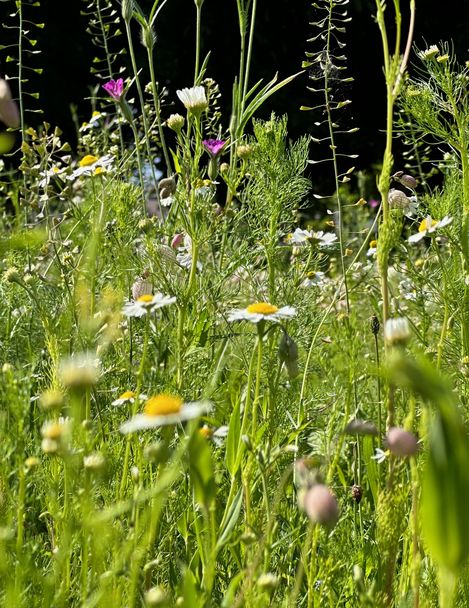
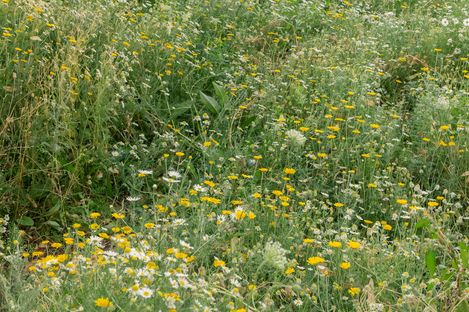
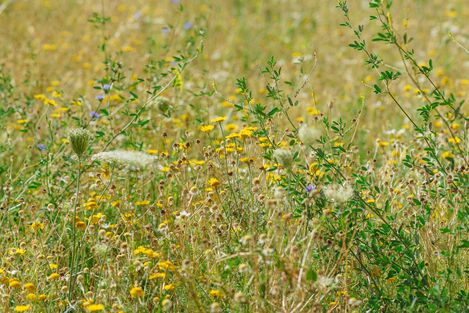
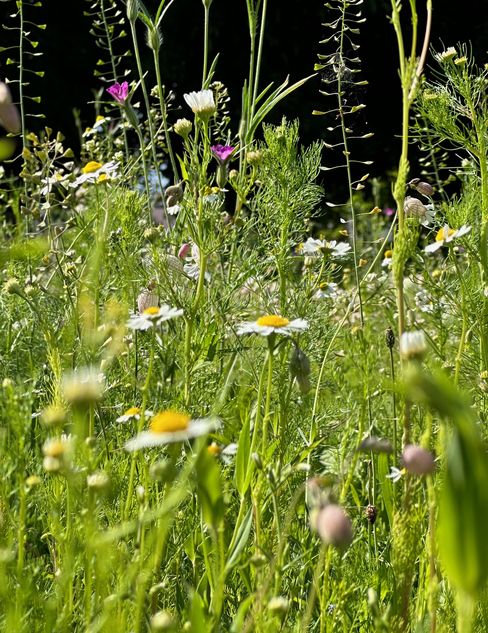
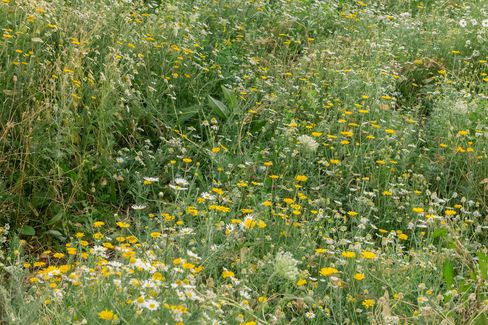
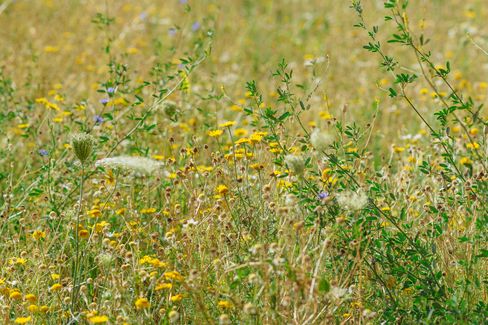
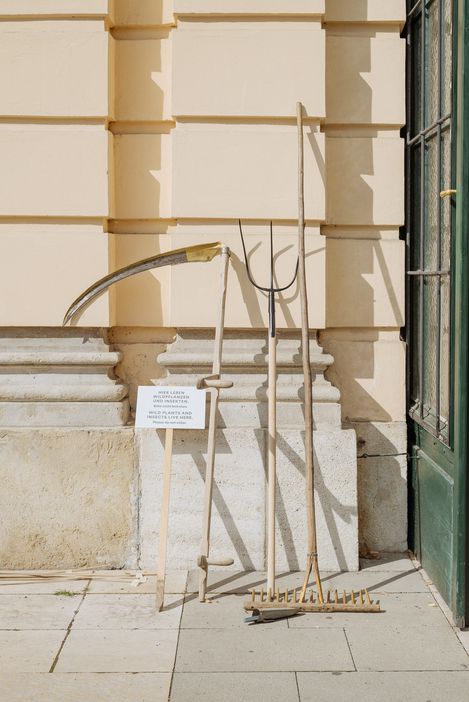
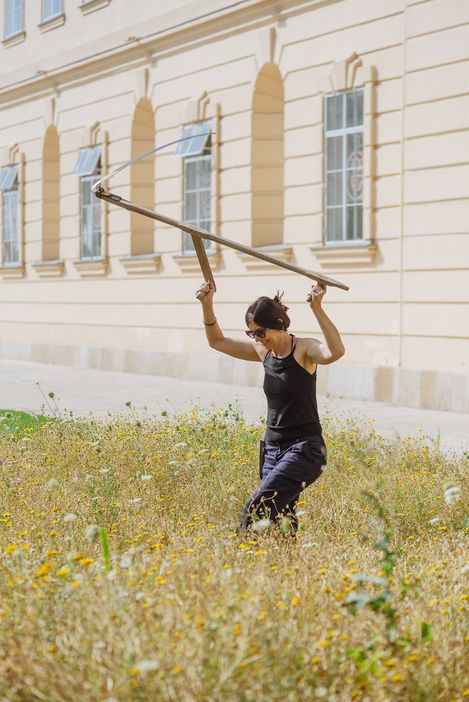
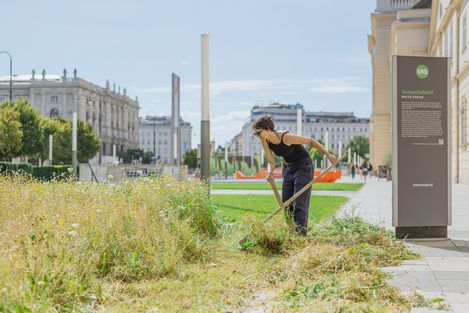
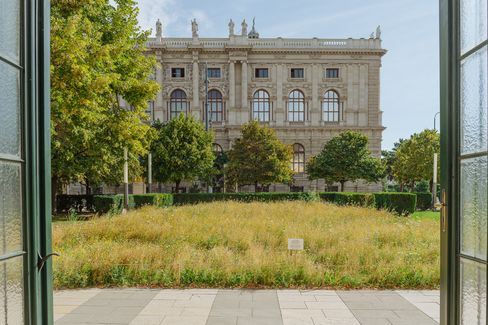
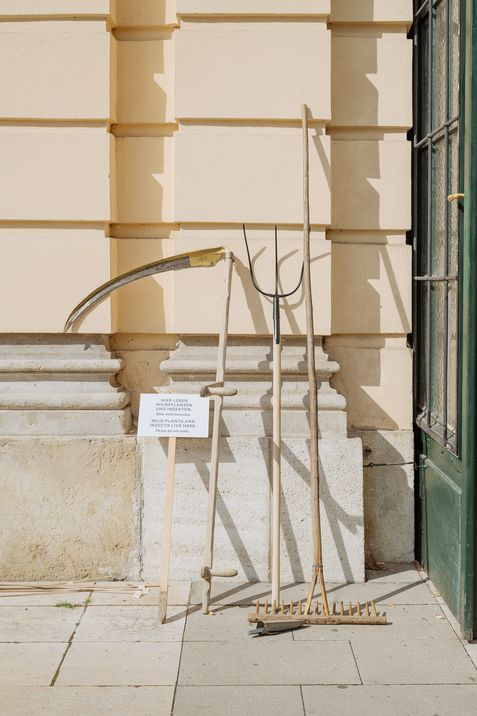
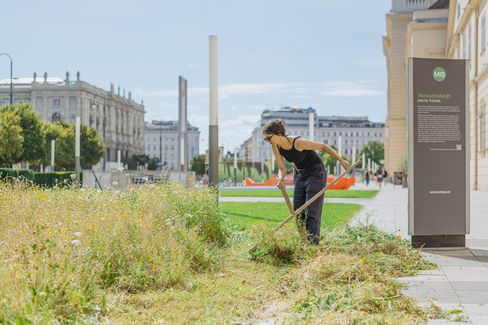
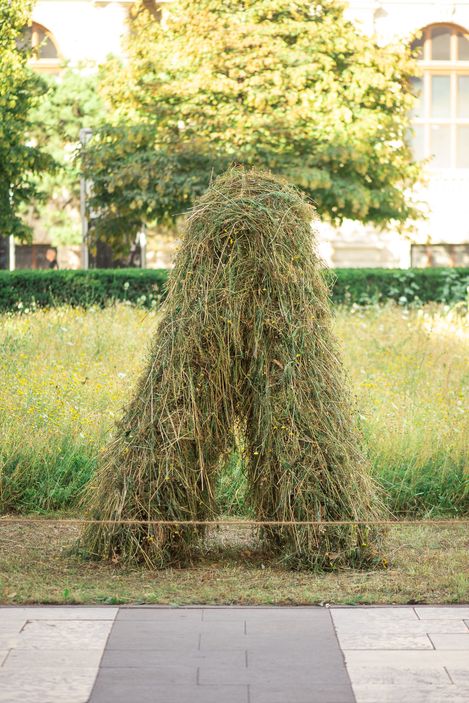
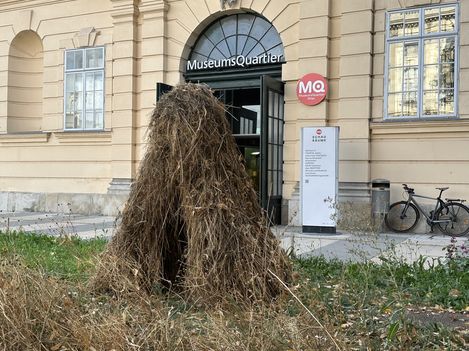
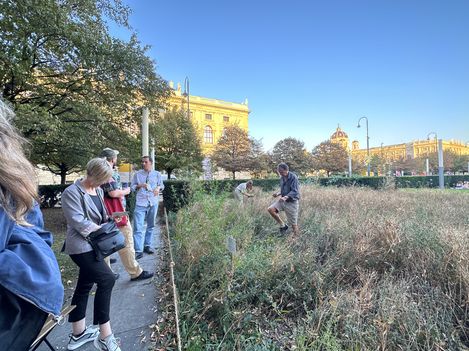
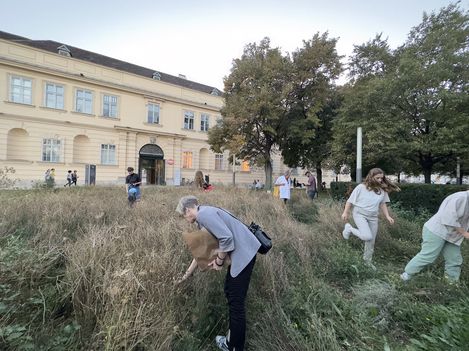
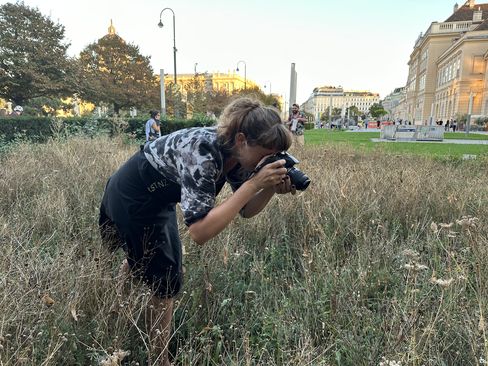
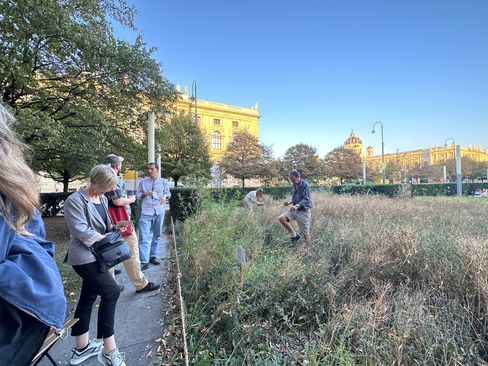
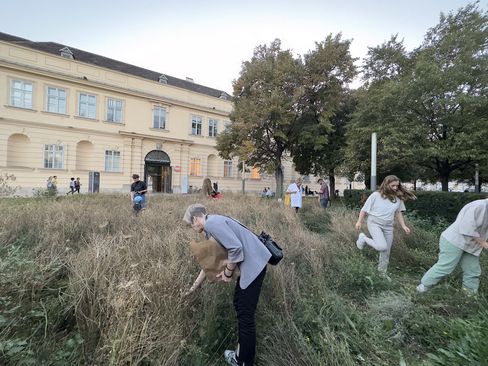
In 2022, the MuseumsQuartier invited the artist to engage with a 250 m² lawn area on the site’s forecourt. The area became “Versuchsfeld1,” which Anita Fuchs has been artistically exploring and developing over the course of several years. First, soil samples were taken to identify suitable seeds and select a mix appropriate for the given conditions. In March 2023, the existing turf – which had no ecological benefit – was removed, the soil was prepared, and the seed mix was sown. The gradual transformation of the former lawn into a biodiverse wildflower area is brought to life for the public through workshops and lectures. In March 2026, a directly adjacent area was established as “Versuchsfeld2” and seeded with wildflower seeds collected by hand from the Vienna area.
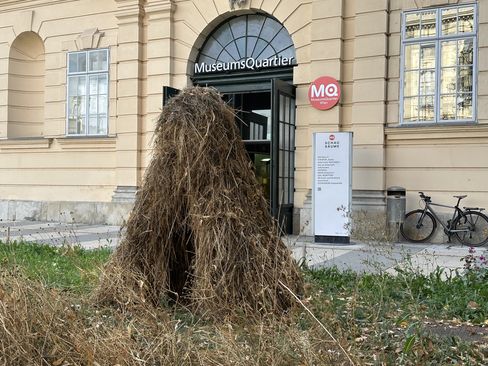
In one of the MQ showrooms (entrance across the way), the artist has set up the “Field Station,” where she documents the process using objects, videos, photographs, and texts.
Curator: Verena Kaspar-Eisert
Instagram: @anitafuchs_
Website: www.anitafuchs.at
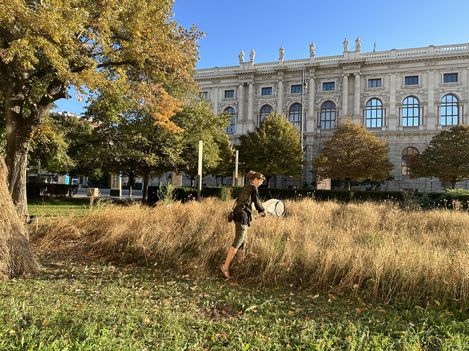
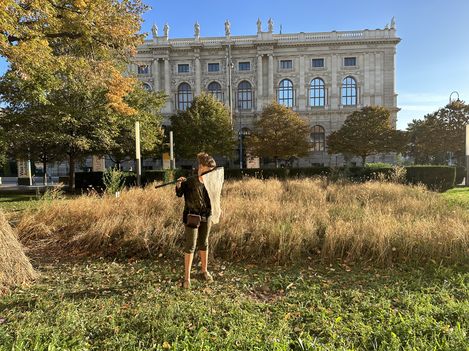
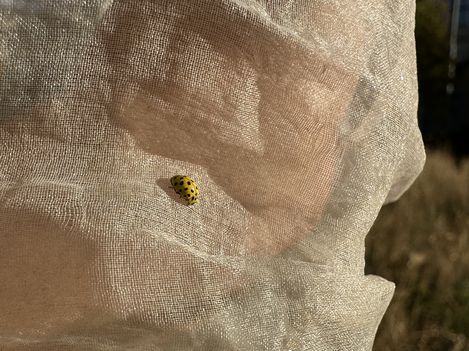
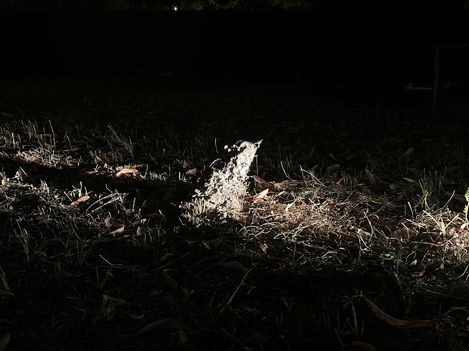
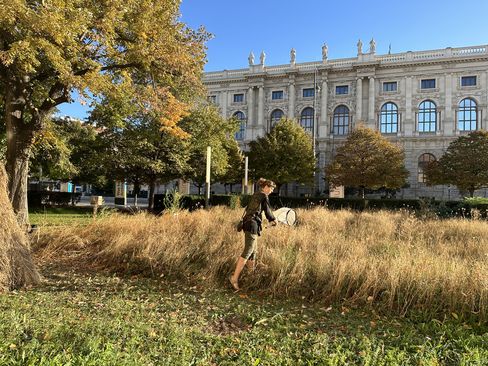
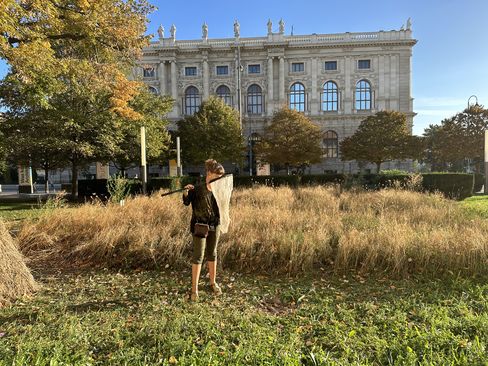
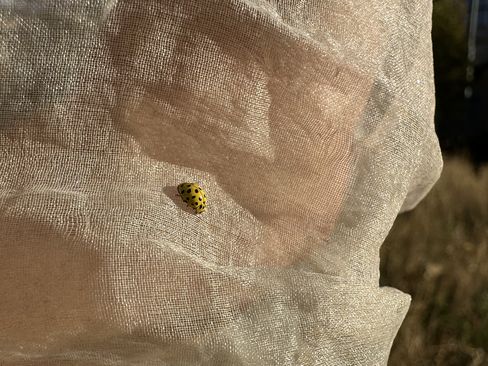
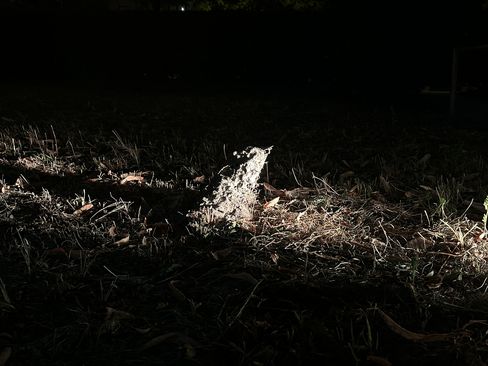
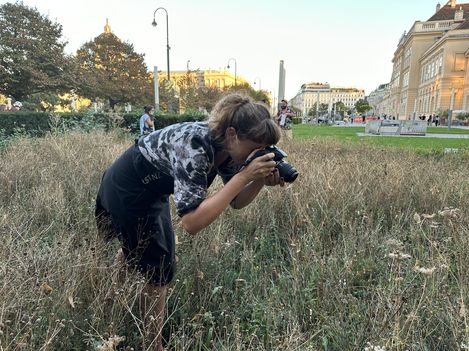
Dominique Zimmermann, a research associate at the Natural History Museum in Vienna has examined the “Versuchsfeld1” for insects and has reached the following conclusion:
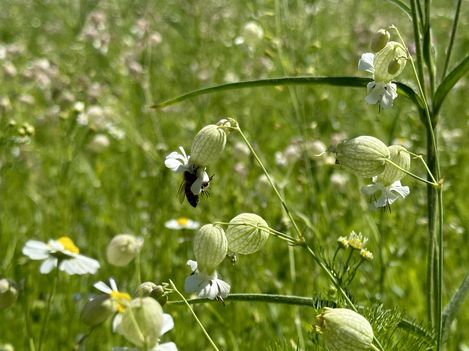
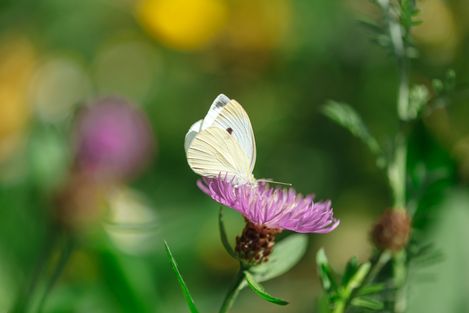
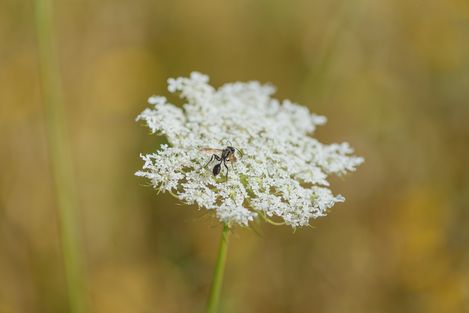
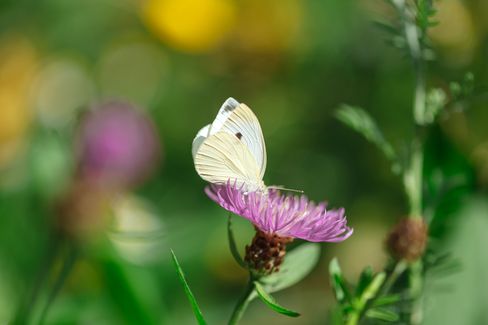
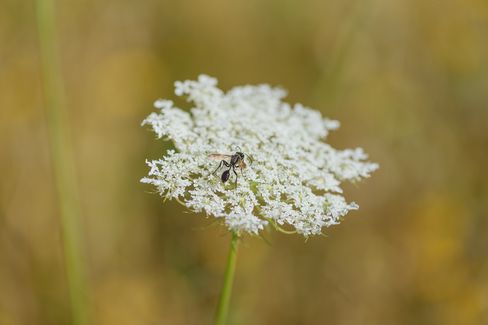
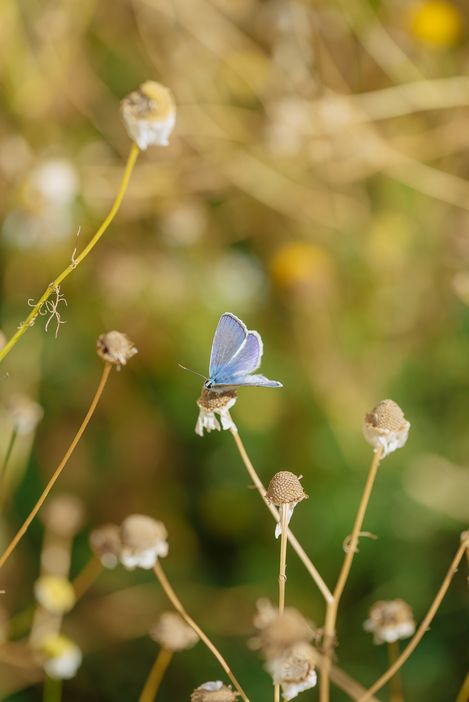
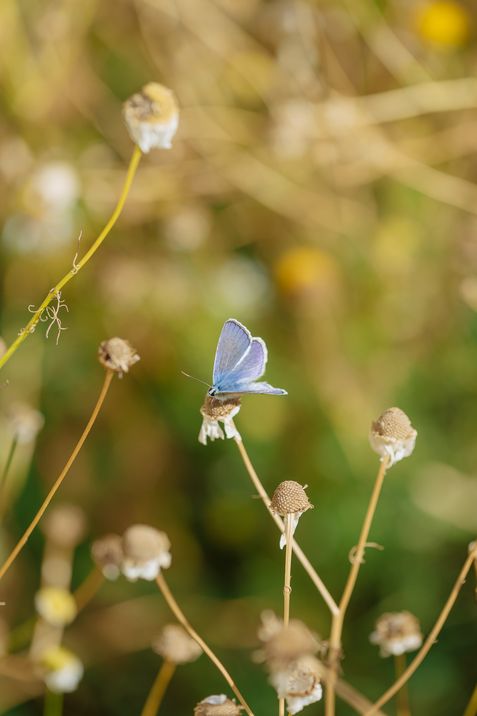
“A flowering meadow is not only an aesthetic delight for us humans, but also creates valuable habitat for insects. Within a very short time, the meadow created by Anita Fuchs was populated by numerous species. While flying insects such as honeybees, wild bees, and flies were among the first visitors to benefit from the abundance of nectar and pollen on offer, a small ecosystem has since established itself. Compared to the adjacent mowed meadows, where hardly any insects can find food or habitat, the area is home to a much greater diversity of species. Insects and arachnids are an important part of our ecosystem, and a healthy ecosystem is the foundation of our own well-being.”
Seed mixture:
Achillea millefolium - Common yarrow / Agrostemma githago - Corn cockle / Anthemis arvensis - Corn chamomile / Anthemis tinctoria - Golden marguerite / Anthoxanthum odoratum - Sweet vernal grass / Anthyllis vulneraria - Common kidney vetch / Betonica officinalis - Common hedgenettle / Briza media - Quaking grass / Buphthalmum salicifolium - Ox-eye / Campanula patula - Spreading bellflower / Carum carvi – Caraway / Centaurea jacea - Brown knapweed / Centaurea scabiosa - Greater knapweed / Cichorium intybus - Common chicory / Crepis biennis - Rough hawksbeard / Cynosurus cristatus - Crested dog’s-tail / Daucus carota - Wild carrot / Dianthus carthusianorum - Carthusian pink / Dianthus deltoides - Maiden pink / Dipsacus follunum - Wild teasel / Echium vulgare - Viper’s bugloss / Festuca rupicola - Furrowed fescue / Galium album - White bedstraw / Galium verum - Lady’s bedstraw / Geum urbanum - Wood avens / Heracleum sphondylium – Hogweed / Hypericum perforatum - St. John’s wort / Knautia arvensis - Field scabious / Leontodon hispidus - Bristly hawkbit / Leucanthemum vulgare - Ox-eye daisy / Lychnis flos-cuculi - Ragged-robin / Lycnis viscaria - Clammy campion / Malva moschata - Musk mallow / Matricaria chamomilla – Chamomile / Medicago falcata - Sickle alfalfa / Myosotis arvensis - Field forget-me-not / Onobrychis viciifolia - Common sainfoin / Pastinaca sativa – Parsnip / Petrorhagia saxifraga - Tunic flower / Plantago lanceolata - Ribwort plantain / Plantago media - Hoary plantain / Prunella grandiflora - Large-flowered selfheal / Prunelle vulgaris - Common selfheal / Salvia pratensis - Meadow clary / Sanguisorba minor - Salad burnet / Scabiosa columbaria - Small scabious / Silene dioica - Red campion / Silene vulgaris - Bladder campion / Stellaria graminea - Common starwort / Tragopogon pratensis ssp. orientalis - Meadow salsify / Verbascum chaixii -Nettle-leaved mullein
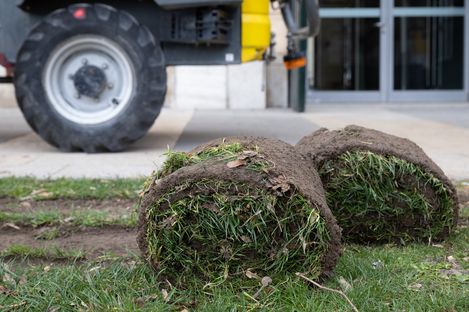
MQ Forecourt