Yan Bassalyga
Key Facts
Yan Bassalyga (born 2005 in Minsk) showed a pronounced talent and a deep fascination for three-dimensional forms of creative expression from an early age. He is currently deepening his skills by studying sculpture at the Belarusian State Academy of Arts.His artistic work and academic path have already been recognised with several awards at national competitions for students of art academies. Since 2020, Bassalyga has continuously expanded his involvement and presence in the art scene by participating in various exhibition projects in Belarus. His most outstanding participations include Art-Minsk-2021, the Autumn Salon in 2020, 2022 and 2023, where he emerged as a prizewinner, Terracotta-2022, the OST-ART Festival 2020, the Bronze Art Festival 2021 and most recently the Art Festival 2023, where he advanced to the finals.
Project Info
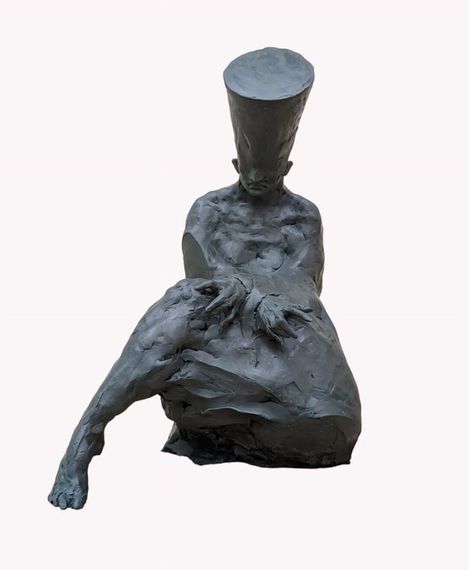
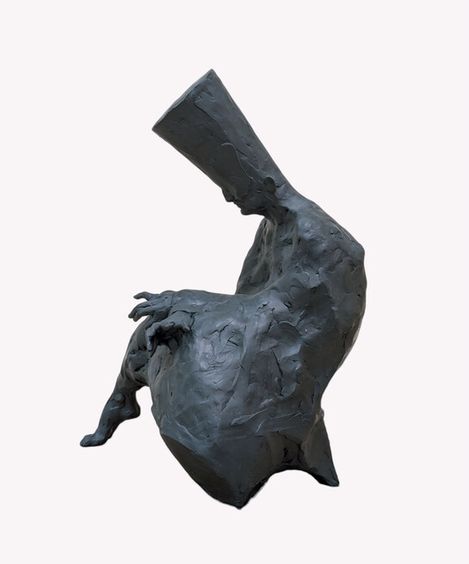
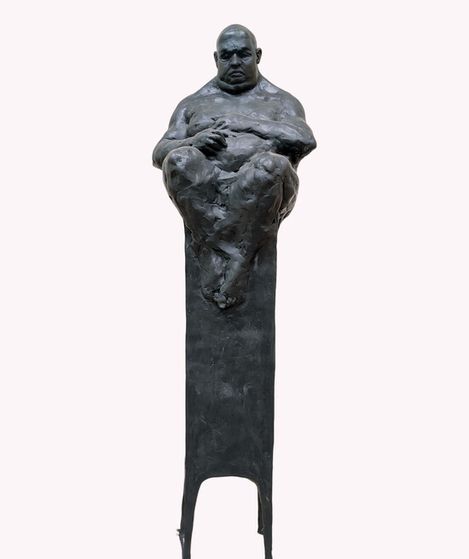
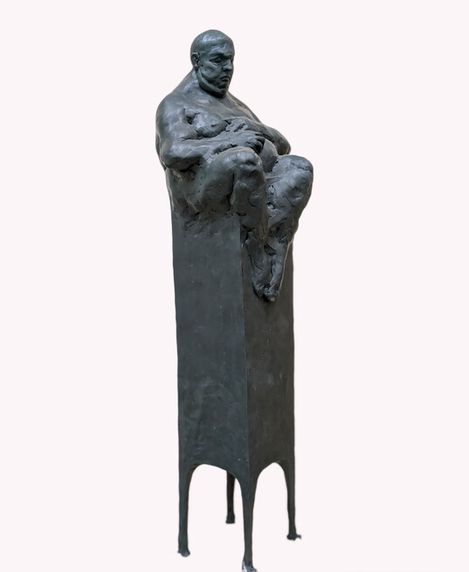
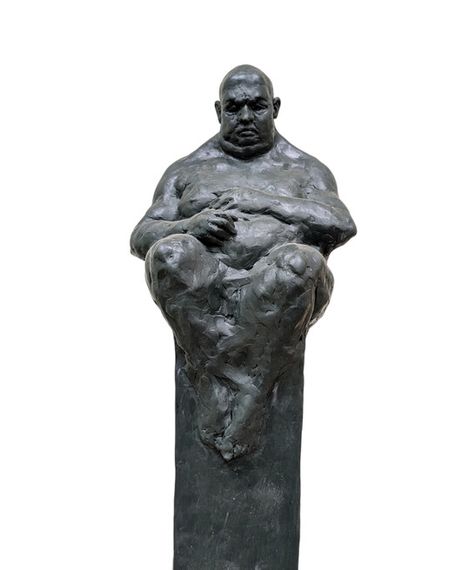
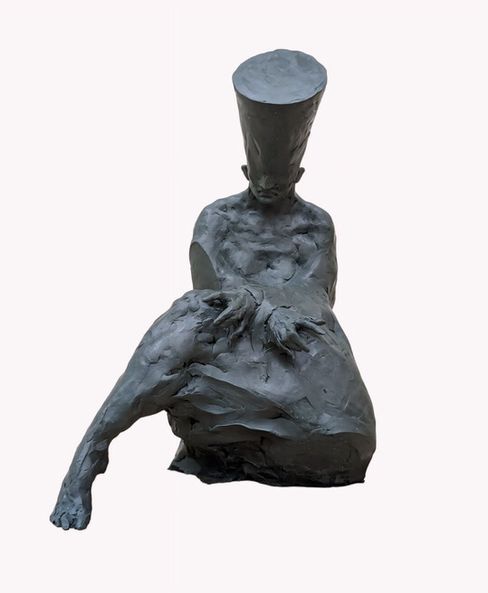
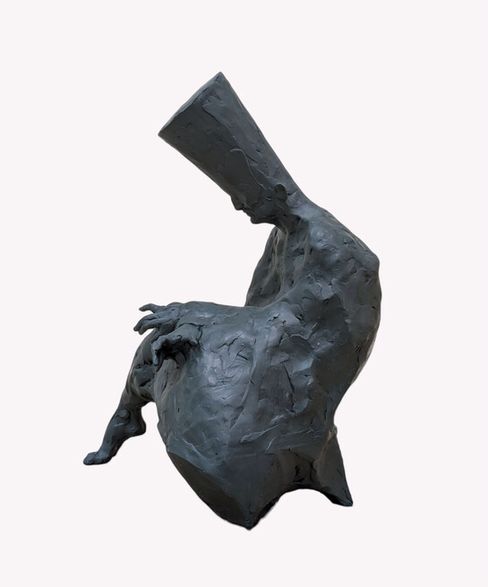
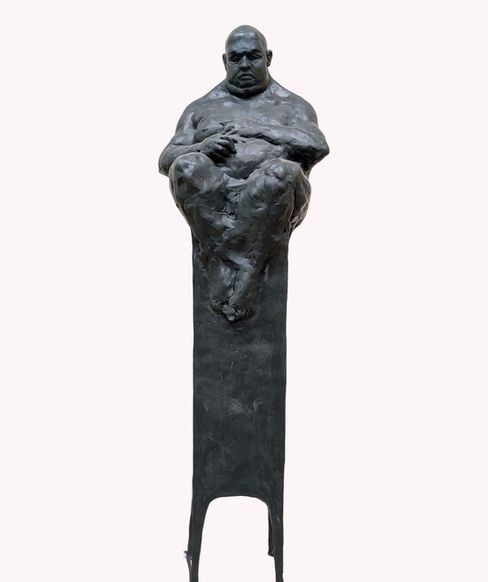
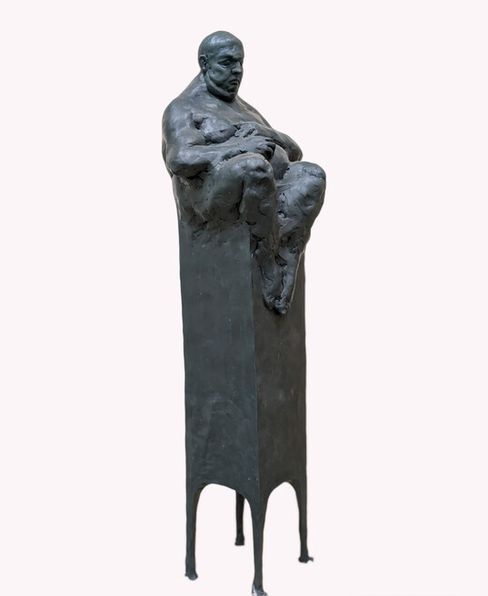
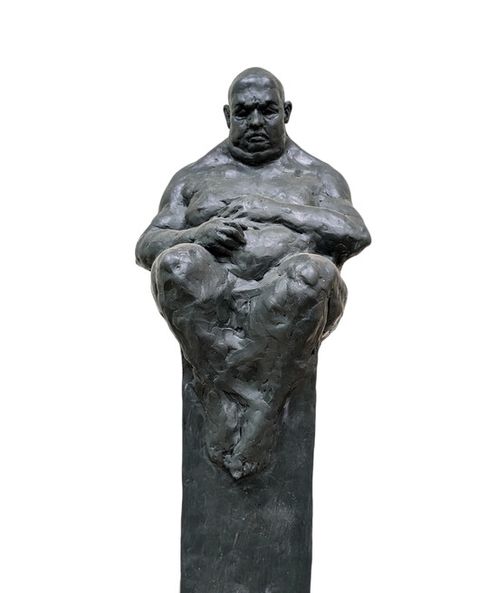
During his residency at the MQ, Yan Bassalyga will devote himself to the further development of his works “Tura” (Rook) and “Queen” from the series “Zugzwang”. The chess piece of the rook, a heavy and ponderous figure, becomes a symbol of power in Bassalyga's interpretation, embodying both strength and helplessness. The artist depicts the rook as a figure that exaggerates its power and position in order to make an impression - a desire for unlimited power that can be seen as a vice. The second work in the series, “The Queen”, epitomises the most powerful and threatening piece on the chessboard. Bassalyga reflects on how people who are endowed with unlimited power often abuse it for selfish ends. The works invite us to draw parallels with historical examples in which power and its abuse are central themes.