Rajmonda Ahmetaj
Key Facts
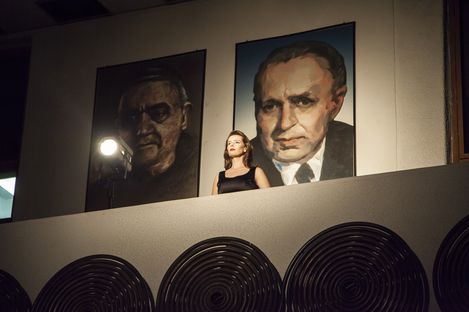
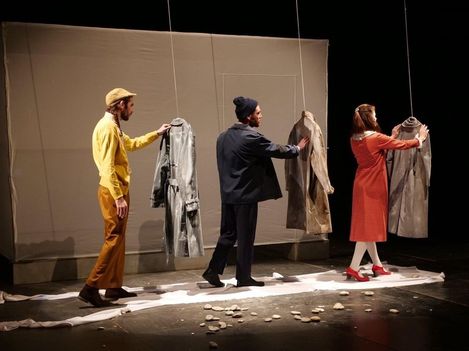
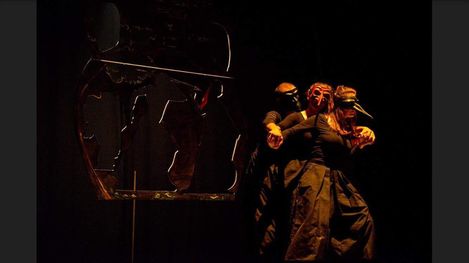
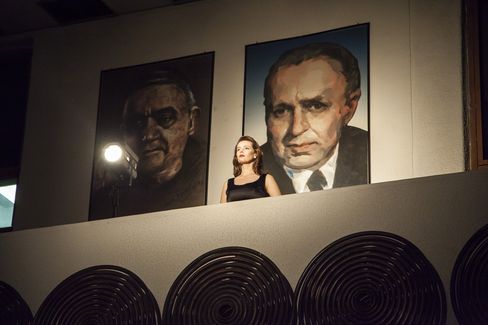
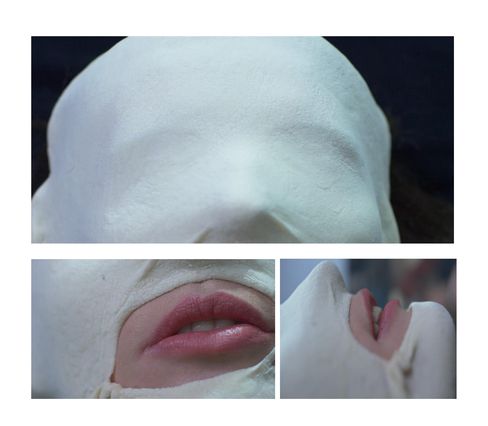
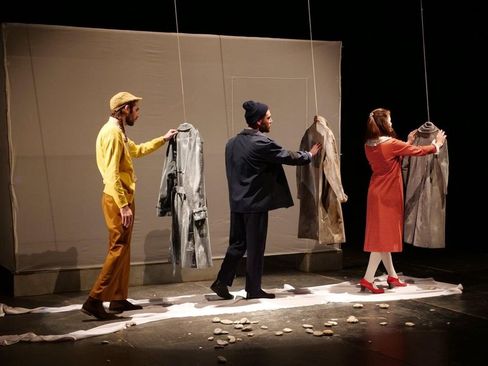
Rajmonda Ahmetaj, born in Kosovo in 1988, is an artist known for her contribution to the Kosovar theatre scene. With a Master's degree in Acting from the University of Pristina, she has participated in various theatre plays and films, including prominent roles in productions such as Arlinda Morin's "Dëbora" and Samuel Beckett's "Not I".
As co-founder of the "Stralli" Art Organization and literary translator, Ahmetaj continues to shape the artistic landscape, bridging cultures and perspectives through her creative endeavours.
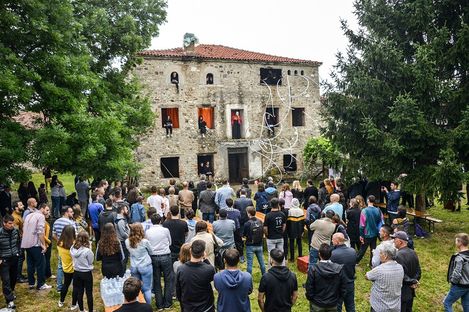
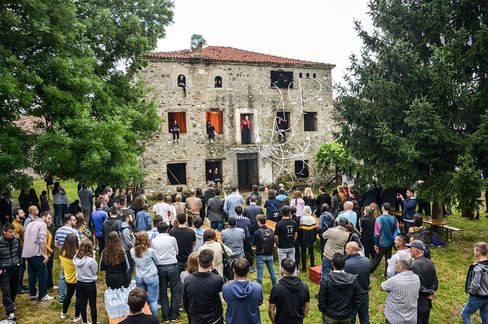
In 2018, she co-founded the art festival "Under the Plow of Time", a platform for international cooperation and engagement with some art and cultural communities in Kosovo.
Project Info
During her residency at MQ, Rajmonda Ahmetaj will work at the ImPulsTanz - Vienna International Dance Festival in order to further deepen her practical knowledge. She will incorporate the experience she gains into her future artistic work.
Ahmetaj plans to use her time in Vienna to research contemporary Austrian literature, dramatic art and dance.
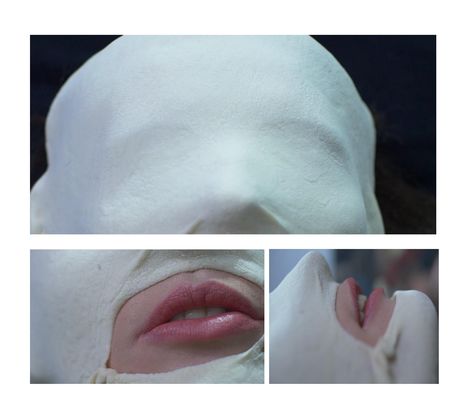
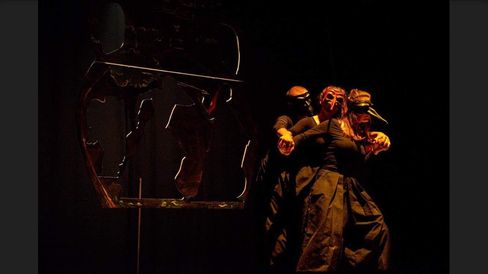
Looking ahead to 2025, I am in the planning stages of a project titled "post mortem Opheliae" This multi-disciplinary endeavour aims to delve into a broader theme than merely the character of Ophelia. Central to this exploration is the theme of love and death. The project's primary objective is to devise strategies for engaging other participants and incorporating various art forms to explore the overarching theme. Through the medium of poetry, "post mortem Opheliae" intends to incorporate verse as a commentary on Shakespeare's play, establishing additional thematic connections. Specifically, the project draws inspiration from the works of the Austrian poet H. C. Artmann, notably his piece "Wherever Hamlet Came" (Überall wo Hamlet hinkam). Artmann's poetic reflections on Hamlet provide conceptual and imaginative bridges to re-examine the world of the renowned playwright from a unique and inquisitive perspective. His poetic commentary offers a fresh lens through which to interpret the character of Ophelia, enriching our understanding of her role within the narrative.