Marija Andrijašević
Key Facts
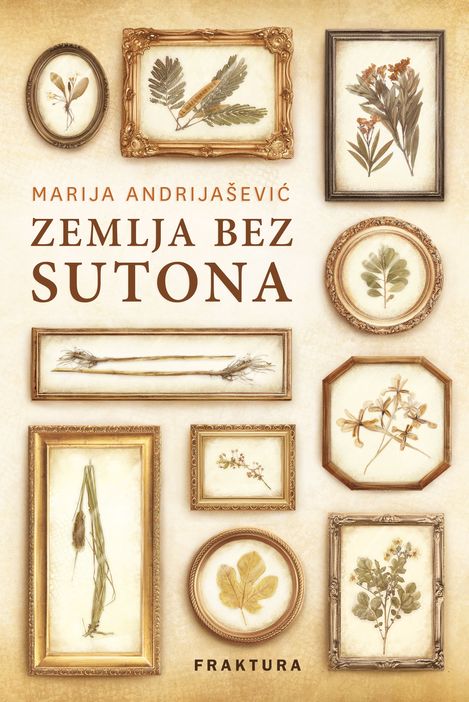
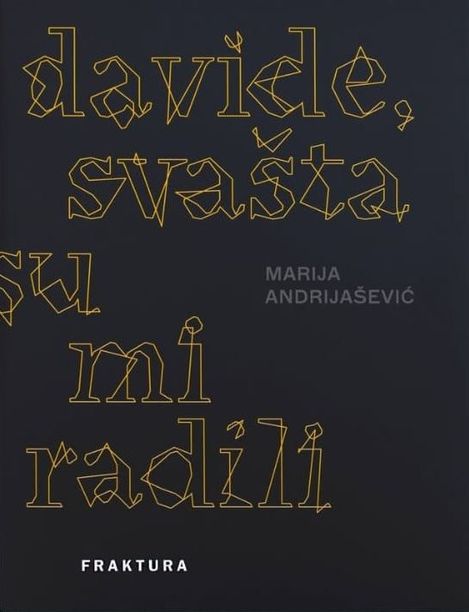
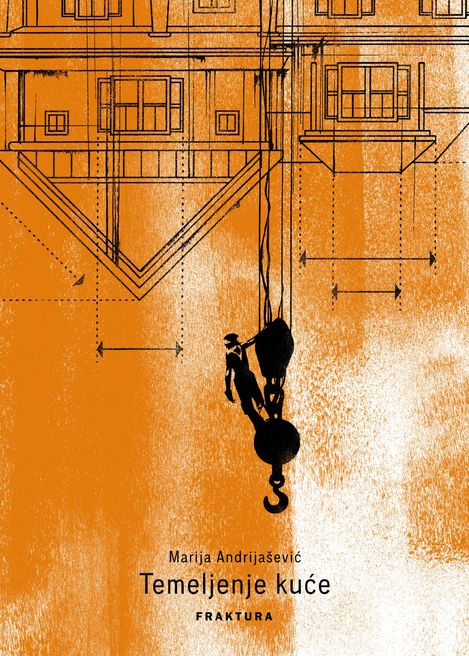
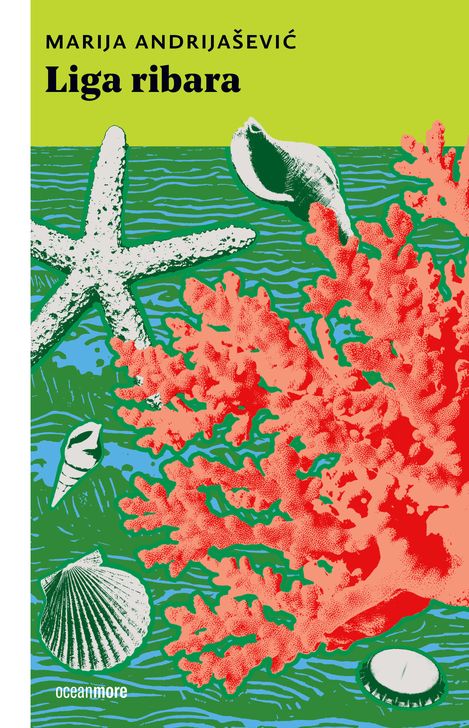
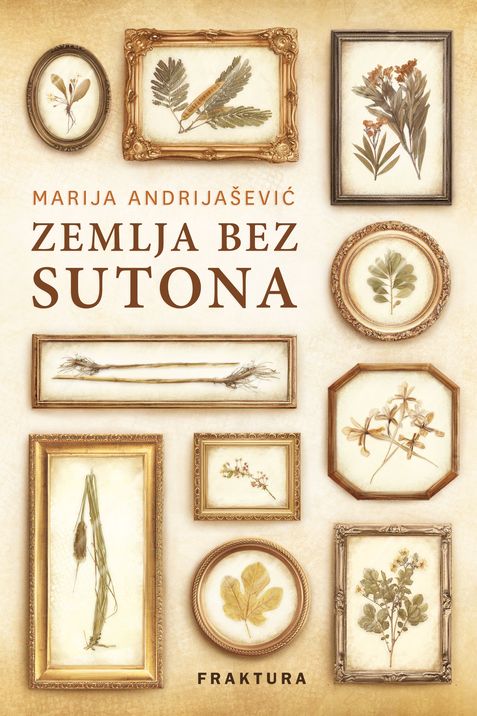
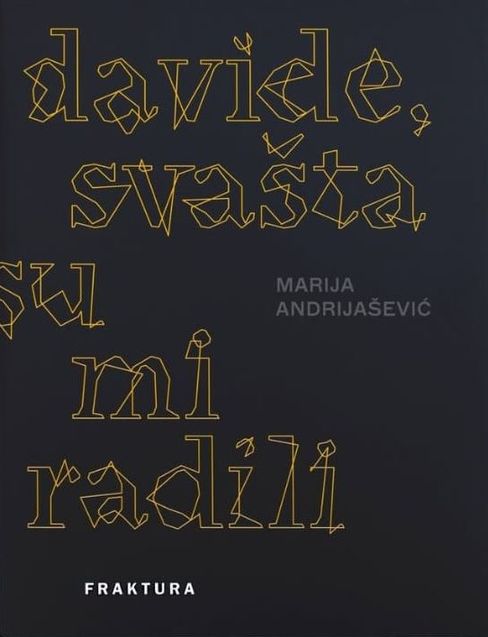
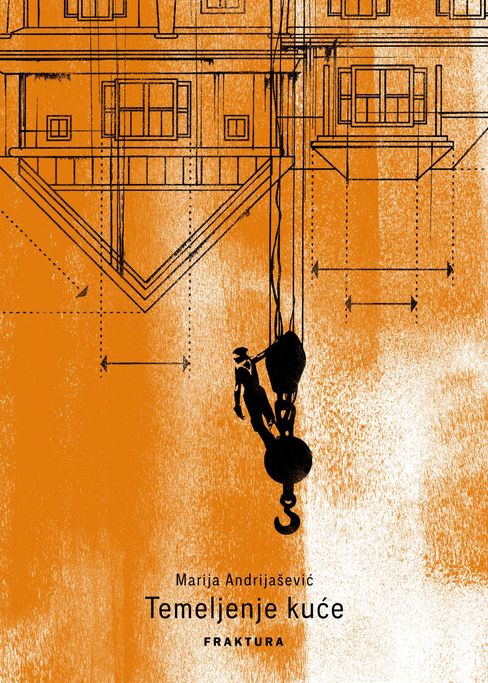
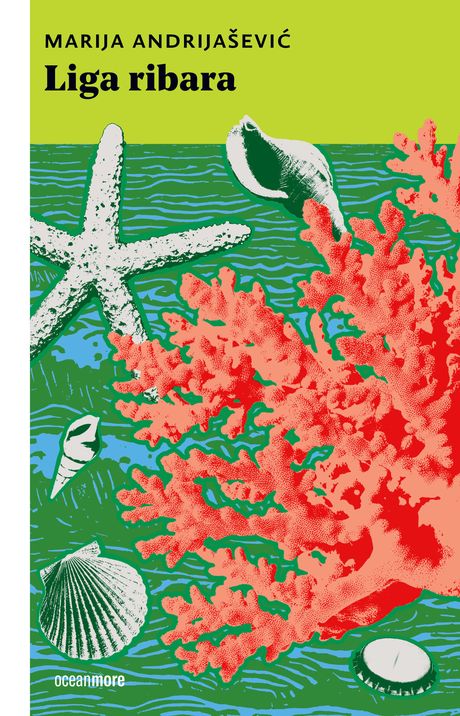
Marija Andrijašević (b. 1984 in Split) is a Croatian writer with a master’s degree in Comparative Literature and Ethnology and Social Anthropology. In 2007, she won the Goran Award for Young Poets for her poetry collection david, they did things to me. Her debut novel The Land Without Twilight (2021) received the Tportal Literature Award for Best Novel and the Štefica Cvek Regional Prize. For her poetry collection Laying the Foundations (2023), she was awarded the Ivan Goran Kovačić Prize and a second Štefica Cvek Prize. Her latest short story collection, The League of Fishermen (2024), was nominated for both the Štefica Cvek and Fric Prizes. Selected poems by her have been translated into ten languages and published in numerous anthologies, while her prose appears in Ulysses’ Cat. She works with The Scribonauts, an organization promoting literature among marginalized groups, which has been recognized with the Sozial Marie (2021) and ArtExplora (2024) awards. She lives in Zagreb.
Project Info
During her residency at MQ, the focus will be on two interconnected areas of research. The first is primarily literary in nature: a longer prose work that draws on a specific literary and geographical tradition and traces certain ideas about landscape, attention, and the natural world through archival and field research, moving between texts, places, and the questions that persist in translating between them.
The second area extends beyond writing to include practice and exchange. An ongoing initiative that connects cultural practitioners with ecological field research will be further developed here, this time in dialogue with the particular environment—geological, historical, and hydrological—that shapes the region. The residency offers the opportunity, in conversation with others working at this intersection, to explore how artistic and ecological engagement can mutually inform and complicate one another: not as a metaphor, but as a method.