Marei Loellmann
Key Facts
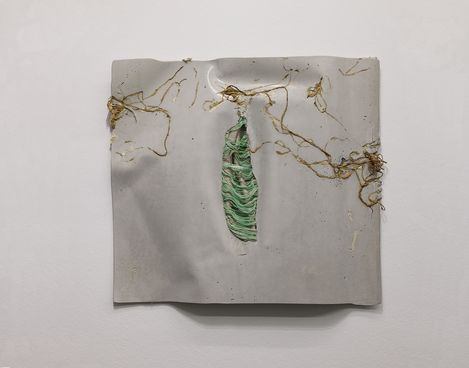
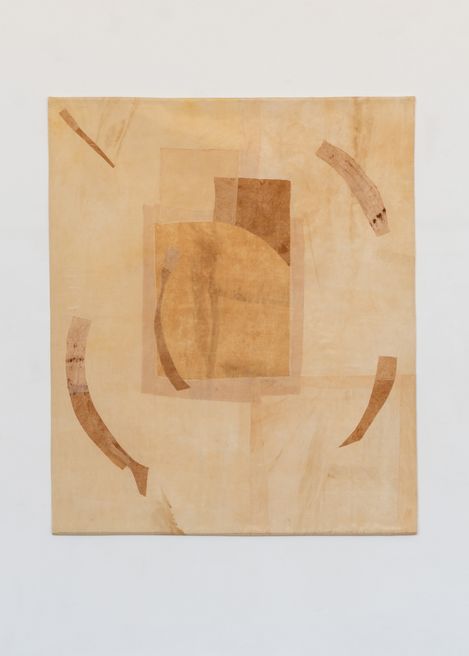
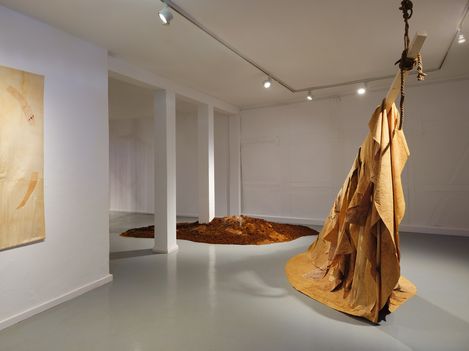
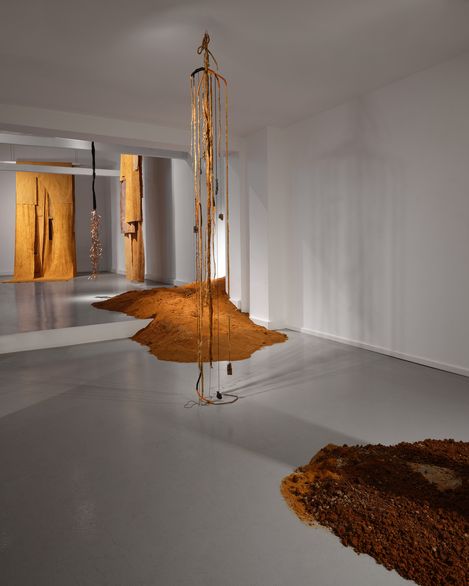
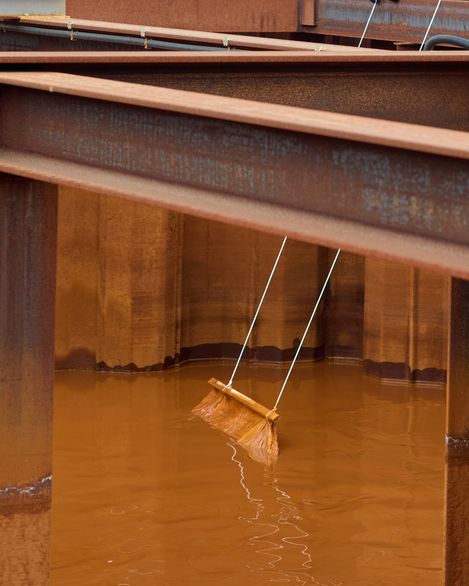
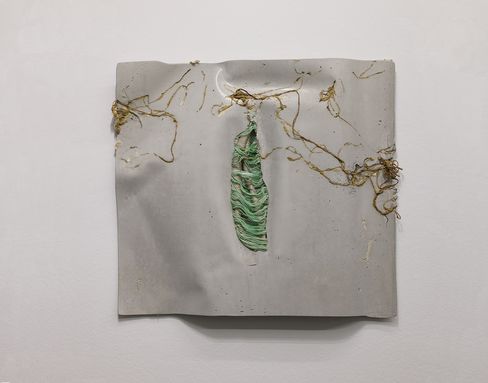
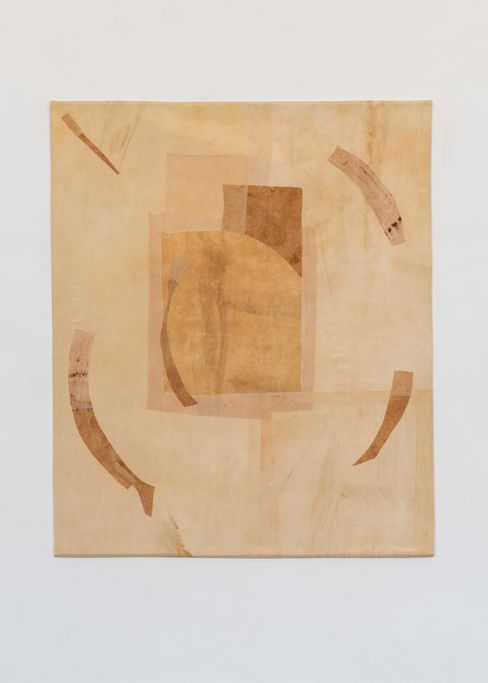
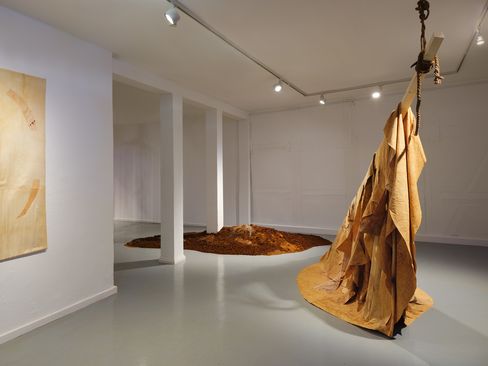
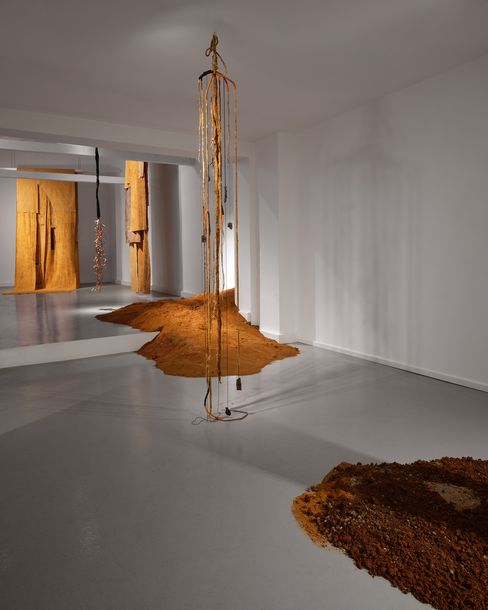
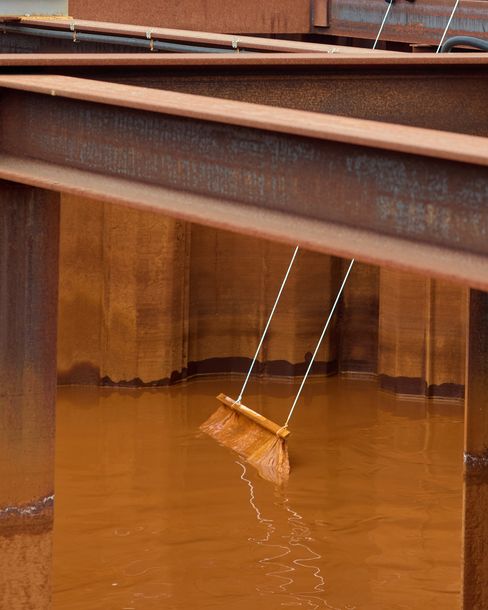
Marei Loellmann explores the relationships between land, time, and body in her work. Her practice includes textile works, sculptures, and installations. Central to her approach is an understanding of land as a temporal being—marked by wounds, layers, and material vitality. She works with natural elements from post-industrial landscapes—soil, river sediments, and ash—that carry sedimented time, traces of extractive practices, slow violence, and human labor.
Her works have been presented—both solo and collectively—at the Brücke Museum, Haus der Kulturen der Welt (HKW), Kunstraum Kreuzberg/Bethanien, and as part of the Festival of Future Nows at the Neue Nationalgalerie. Marei Loellmann studied fashion design and stage design at the Weißensee Academy of Art Berlin and the Willem de Kooning Academy in Rotterdam. She lives and works in Berlin.
Project Info
During her residency at MQ, Marei Loellmann engages with the nature of contaminated landscapes—the temporalities inscribed within them over generations, traces of slow violence, and accumulated toxins as archives of history. Starting from the question of how crises can be made inhabitable, she focuses in Vienna on plants that absorb and store heavy metals. These and other plants have learned to cope with both scarcity and abundance of metals. She intends to use her time at MQ to experiment with different ways of utilizing these plants as carriers of knowledge. The entanglement of time and materiality opens up a mindful "inhabitation" of crisis spaces, where dwelling, care, and transformation function as interlocking processes, continuously generating new narratives and possibilities. As part of her residency, a collaboration with the University of Natural Resources and Life Sciences Vienna is planned.