Kabelo Mofokeng
Key Facts
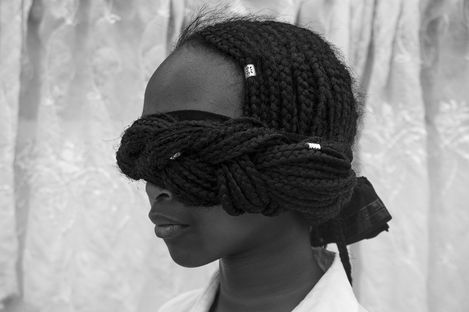
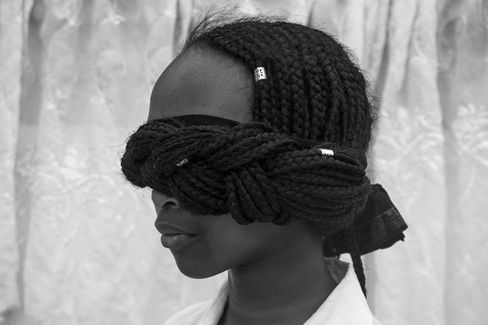
Kabelo Mofokeng (born 1989) is a Johannesburg-based photographer and cultural worker. She works across photography, moving image, and curatorial collaboration, exploring how images circulate, how value is assigned, and how audiences encounter and interpret contemporary art in South Africa. Her practice is shaped by the intersections of personal experience, social systems, and cultural institutions.
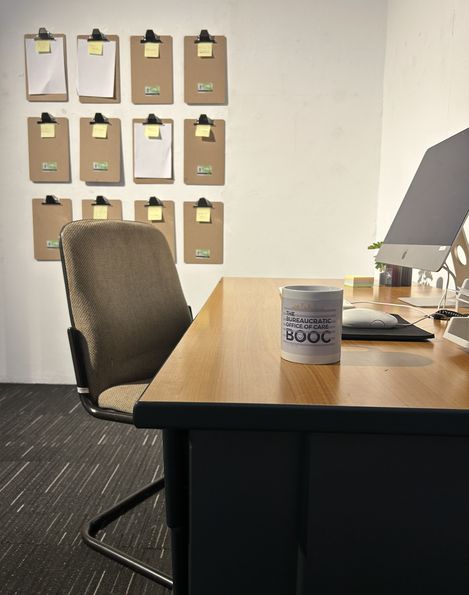
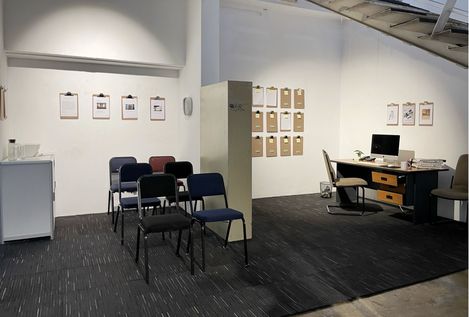
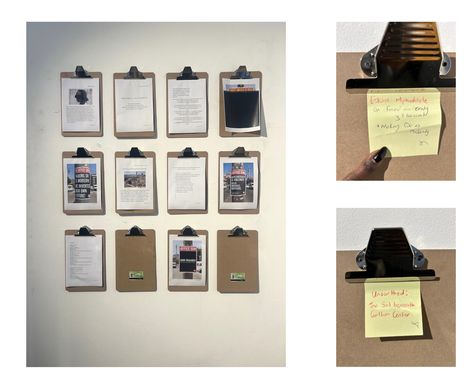
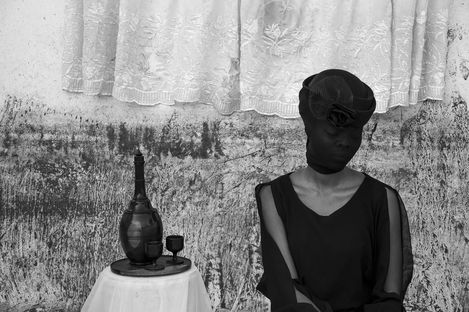
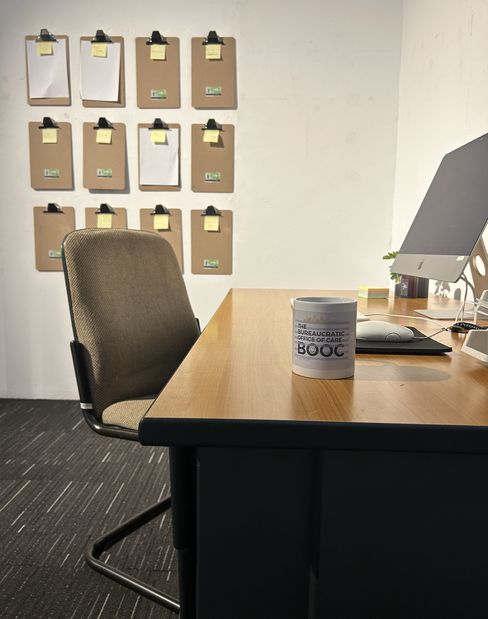
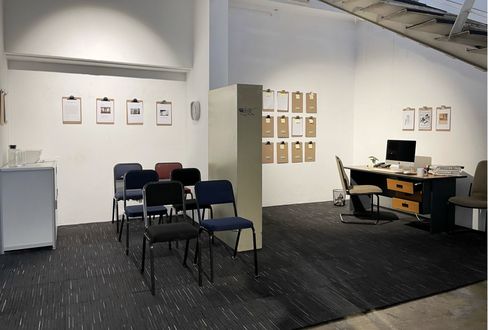
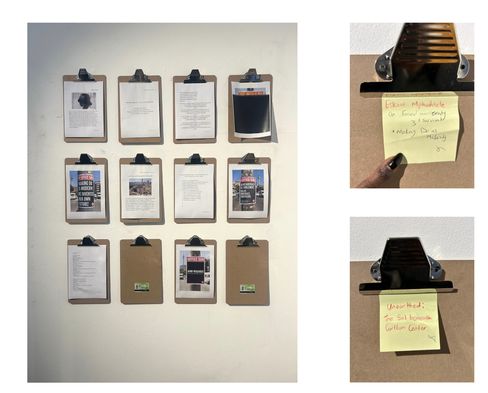
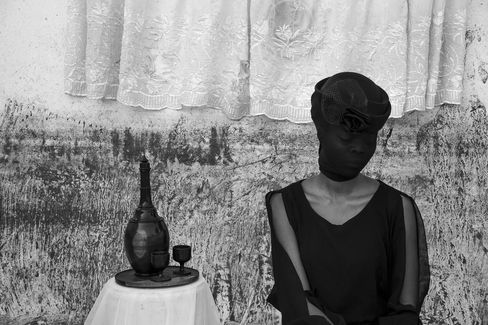
In Room Divider, she investigates domestic and institutional fractures, using separation and layering to reflect on personal histories and the hierarchies embedded in cultural spaces. In The Bureaucratic Office of Care (BOOC), https://www.youtube.com/watch?v=gH_gpB3C4ro continues she examines how care is formalised and regulated through institutional systems. The installation uses desks, chairs, clipboards, printed forms, and an induction-style video to construct a recognisable yet controlled office environment, where relational and emotional labour is translated into procedural structures. The work explores how space, design, and systems condition behaviour, expectation, and the ways care is administered and experienced.
She is currently completing a BArch (Honours) at the University of the Witwatersrand (2025–2026), with postgraduate coursework in studio practice, curatorial theory, and research in contemporary visual culture. She trained in photography at the Market Theatre Workshop (2018–2019), studied Strategic Brand Communication at Vega School (2014–2015), and Film Production at AFDA – The South African School of Motion Picture Medium and Live Performance (2009–2011). Since 2021, she has worked at the Johannesburg Contemporary Art Foundation (JCAF), facilitating exhibitions and public programming.
Project info
Kabelo Mofokeng’s practice explores the relationships between personal experience, social systems, and the structures that shape how we see and value images. Working across photography, moving image, and installation, she investigates how spaces, objects, and procedures frame behaviour, expectation, and perception. In Room Divider, https://www.youtube.com/watch?v=4rDsaXgKQdM she examines separation and boundaries within domestic and institutional spaces, using layered imagery and constructed environments to reflect on personal histories and the hierarchies embedded in cultural systems. The work considers how appearances and relationships are structured, and how systems—both familial and institutional—determine what is visible, valued, or overlooked.
The Bureaucratic Office of Care (BOOC) https://www.youtube.com/watch?v=gH_gpB3C4ro continues this inquiry into systems and environments, translating care into structured, procedural spaces. Through an installation of desks, chairs, clipboards, forms, and an induction-style video, the work highlights how relational and emotional labour is formalised, regulated, and communicated through institutional design. The piece explores how environments guide behaviour, assign authority, and shape the experience of care, making visible the subtle ways space and procedure mediate human interaction. Across her practice, Kabelo uses still and moving image to make tangible the tensions between private narrative and public systems, inviting viewers to consider how structures shape what we see, value, and experience.