Dana Andrei
Key Facts
Dana Andrei moves across various positions within the cultural work spectrum, most often working within collectives and collaborative configurations towards conceiving installations, lectures, exhibitions and publications. Since 2013 she has also collaborated as a duo together with Sorin Popescu, researching subjects such as the surveillance economy, the institutionalization of art, pop culture, ecological thought, and public discourse.
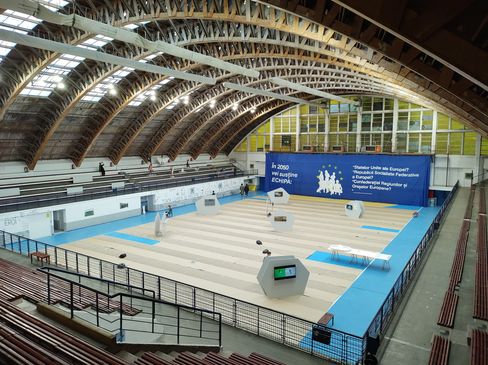
The artist was part of the editorial board of “CORNER“, an art publication covering the political dimensions of the sports scene—its research taking shape as the exhibition “Realism of the Game“—and of “IDEA arts + society“, a journal of contemporary art and critical theory.
Based in Bucharest, Dana Andrei is a member of the “Experimental Research Station for Art and Life“, and the “Ecaterina Arbore Cooperative for Research and Political Action“. She is currently in her first year at the “DAI Roaming Academy“.
Project info
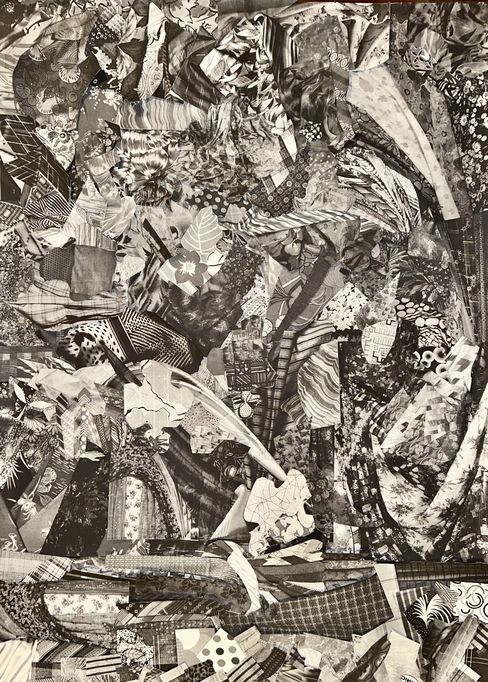
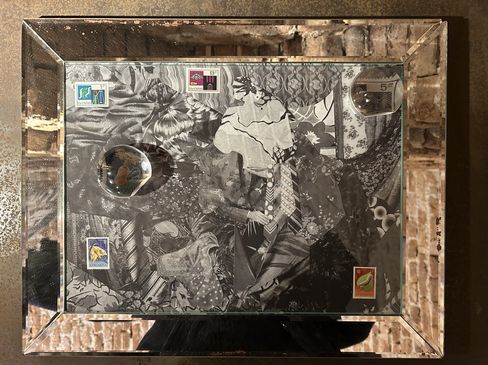
During her residency at MQ, Dana Andrei will investigate the materiality of history by tracing connections between domestic labour, socialist economies, and capitalist transformations. Methodologically, the research draws on archival and literary analysis, interviews, theoretical and visual speculation; reading archives against the grain, her project follows what has been distorted, erased, or silenced, listening closely to the socio-economic contexts and material conditions that shaped experience and perception.Rejecting claims to objective distance, the project proposes a tactile understanding of history—sensing the residues of labour, exploitation, and the everyday gestures that sustain economic infrastructures.
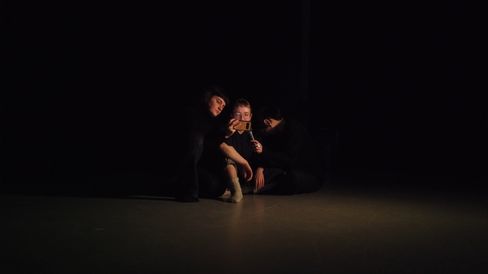
Planned outcomes include a soundwork and a publication weaving theory, imagery, and historical analysis—contributing to ongoing conversations on labour and gender—as well as a lecture performance that invites expanded perspectives and collective reflection.